‘Proud’ CEO K@ller Luigi Mangione Grinned Like a Modern Robin Hood as UnitedHealthcare Stock Plummeted After Shooting, Ex-Inmate Claims
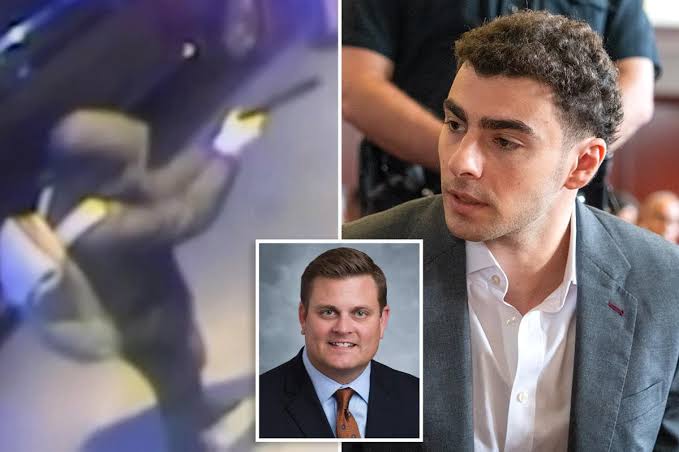
A former inmate who shared time behind bars with Luigi Mangione has painted a striking portrait of the 28-year-old as a quiet yet calculating figure who viewed himself as a modern-day Robin Hood—and flashed a proud smile when UnitedHealthcare’s stock price dropped following the fatal shooting of CEO Brian Thompson.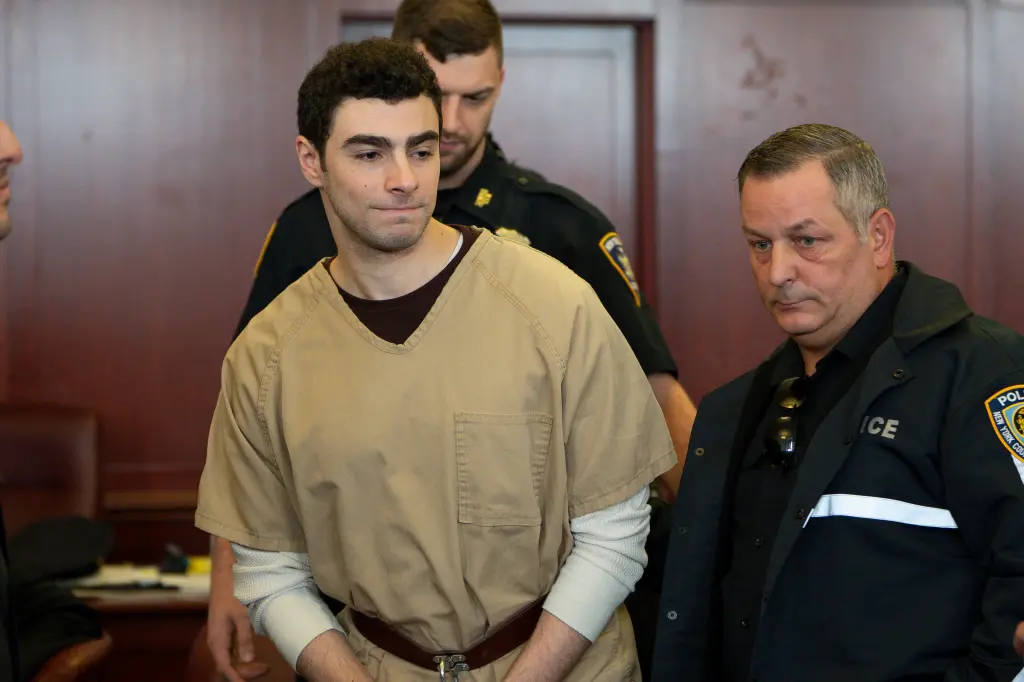
Linus Fu, 32, who was held at Brooklyn’s Metropolitan Detention Center from January 2025 to July 2026 on a low-level bank fraud charge, told Courthouse News that he formed a “really good relationship” with Mangione in the facility’s intake wing. The two saw each other daily. According to Fu, who has since returned to China, Mangione appeared quietly satisfied when the company’s shares tumbled in the wake of the December 4, 2024, shooting on a Midtown Manhattan street.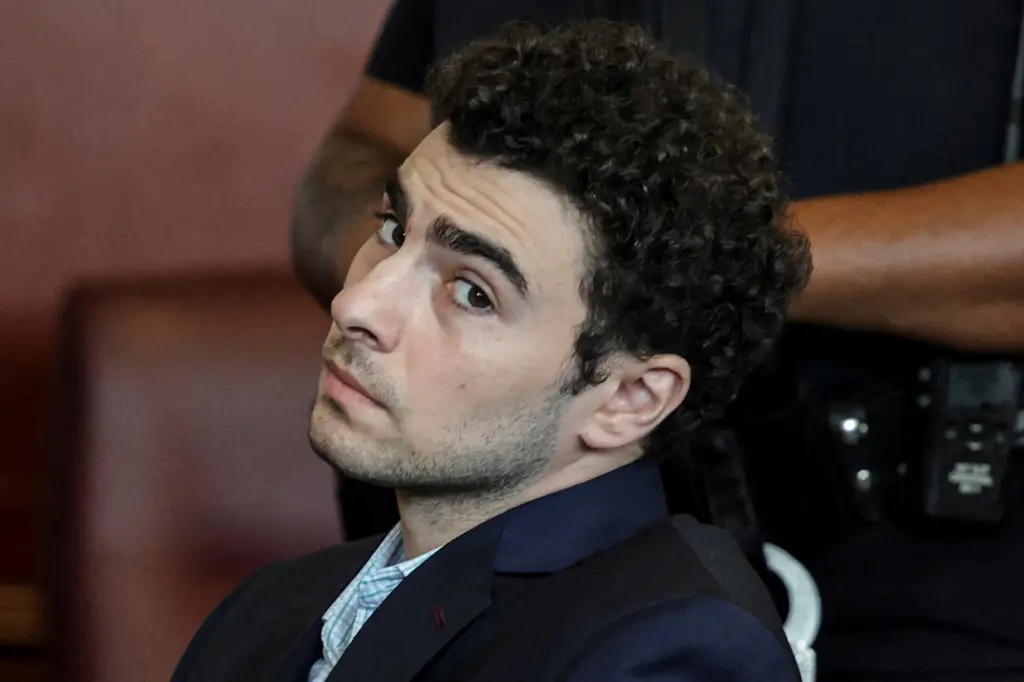
“He was smiling,” Fu recalled of the only time the pair discussed the case. Fu said he believed Mangione saw himself in a Robin Hood-like role. When asked whether the killing was done for attention, Mangione firmly denied it. “He said, ‘I didn’t do that for the fame,’” Fu stated. “He basically admitted he did it.”
Mangione pleaded guilty last week to two federal stalking counts related to the fatal shooting of Thompson. Each count carries a potential life sentence. The Maryland native’s case has drawn intense public attention, turning him into something of a celebrity figure inside the detention center.
Not everyone in the unit was impressed. Some inmates dismissed Mangione as aloof and arrogant. His bunkmate reportedly described the Ivy League graduate as someone who “just wants attention.” Yet Fu painted a more nuanced picture, describing Mangione as “really quiet” but also a jokester. He recalled Mangione throwing snowballs into his cell and even autographing birthday cards for Fu’s wife and his bunkmate’s wife.
“He’s a funny guy. He always jokes,” Fu said. “He’s young, he’s creative. Most people, they know Luigi. Some people ask for autographs, some people want to talk to him.”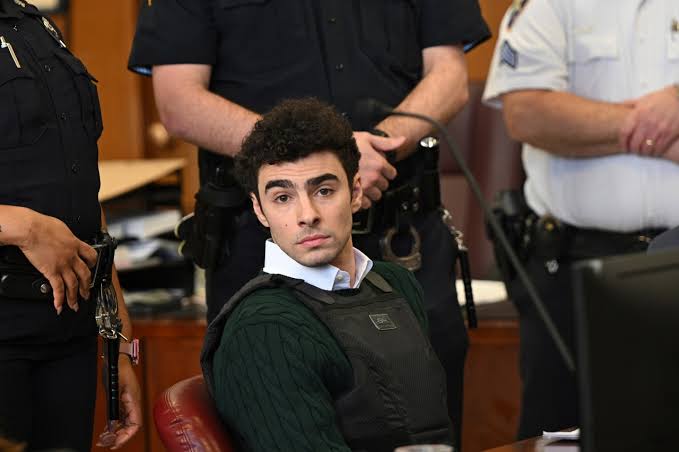
The two bonded over education and books. Mangione checked on Fu’s reading progress of John H. Richardson’s Luigi: The Making and the Meaning, a book about the case itself. “He’d check my progress all the time,” Fu said. “He said, ‘What page are you on right now?’”
Supporters flooded Mangione with reading material, including travel magazines that struck Fu as odd. “I don’t know why they sent travel magazines to Luigi, that made no sense. He can’t travel, why would you send him a travel magazine?” Mangione also received subscriptions to The New York Times, which he pᴀssed along to Fu to help him practice English.
Despite the notoriety, Mangione remained largely reserved. Fu noted that the only real discussion of the crime itself centered on that moment of apparent satisfaction over the stock market reaction and the denial of fame-seeking motives.
On the legal front, the case continues to evolve. Manhattan District Attorney Alvin Bragg’s office has indicated it will push to keep the state murder case active, at least until the federal sentence is determined. After Mangione’s unexpected federal guilty plea, Justice Gregory Carro postponed the next state court appearance to December 10, effectively delaying the trial indefinitely. Mangione’s legal team is now seeking to have the state case dismissed on double-jeopardy grounds, arguing that proceeding would amount to being tried twice for the same underlying conduct.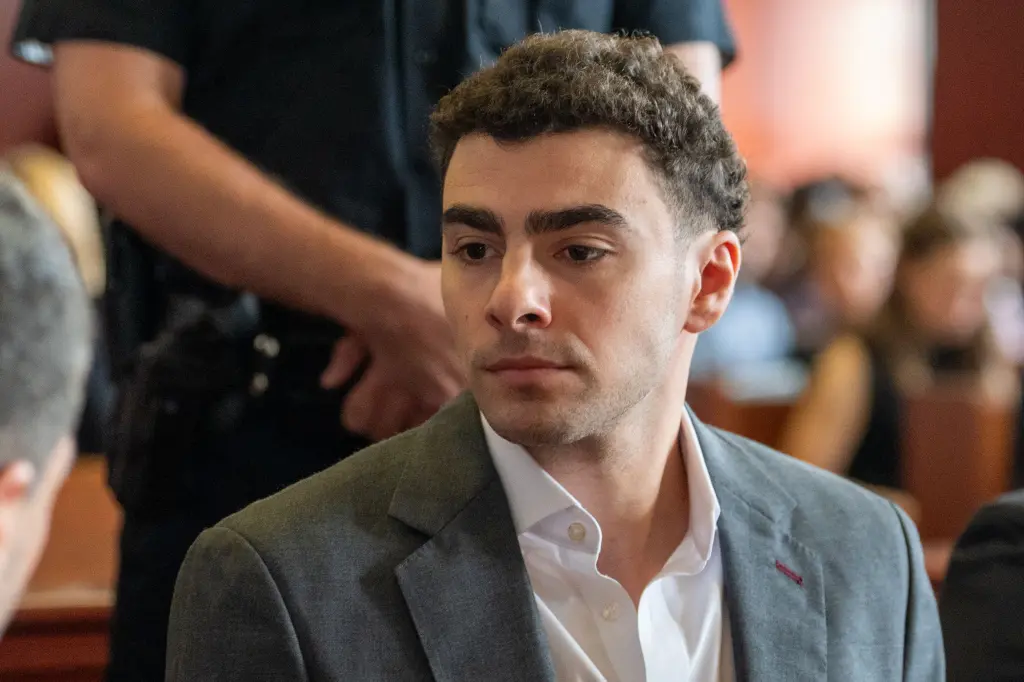
The claims from Fu offer a rare glimpse into how Mangione has carried himself while in custody—portrayed by one former ᴀssociate as both a celebrity inmate and a man who appeared to take quiet pride in the market fallout from the high-profile killing. Whether those observations hold up under further scrutiny remains to be seen as the federal sentencing and any potential state proceedings move forward.