Lindsay Clancy’s Psychiatrist Faces Tough Cross-Examination as Defense Challenges Her Treatment
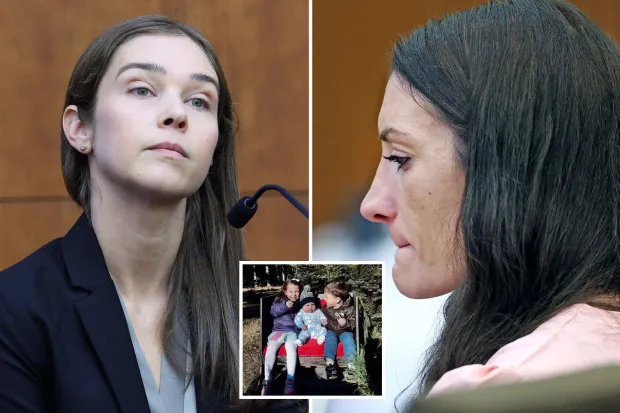
The murder trial of Lindsay Clancy entered another critical stage as her defense attorney sharply questioned the psychiatrist who treated her in the months before she killed her three children, focusing on whether inadequate psychiatric care and medication decisions contributed to her worsening mental state.
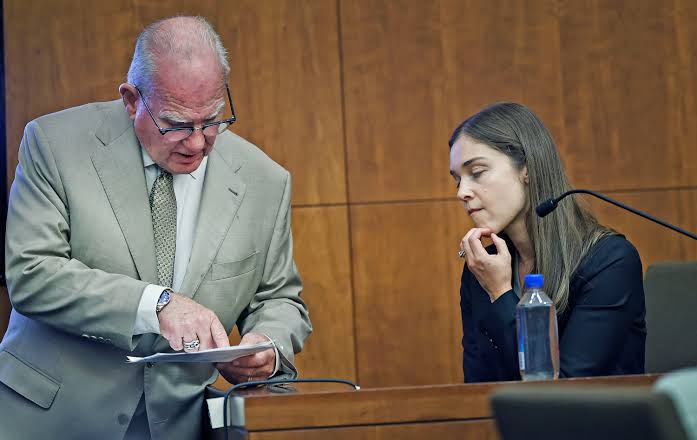
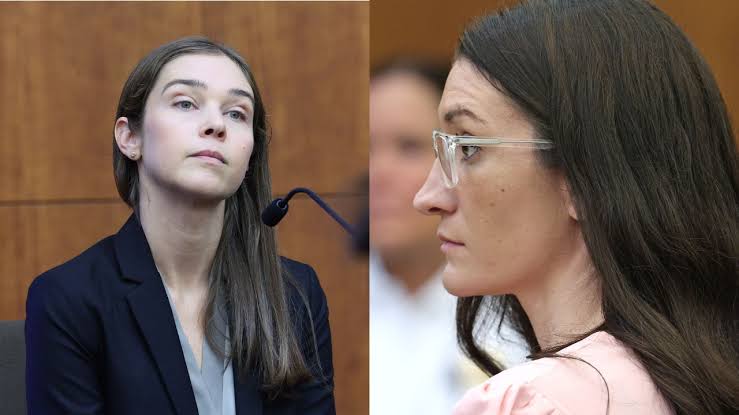
Dr. Jennifer Tufts treated Clancy from September 2022 until the day before the January 2023 killings. Under questioning from defense attorney Kevin Reddington, Tufts faced detailed questions about her qualifications, the length of her appointments with Clancy, her prescribing decisions and the way she documented the patient’s condition. The defense argued that Clancy’s treatment consisted largely of short telehealth appointments and that important warning signs may not have been properly recognized as her mental health deteriorated.
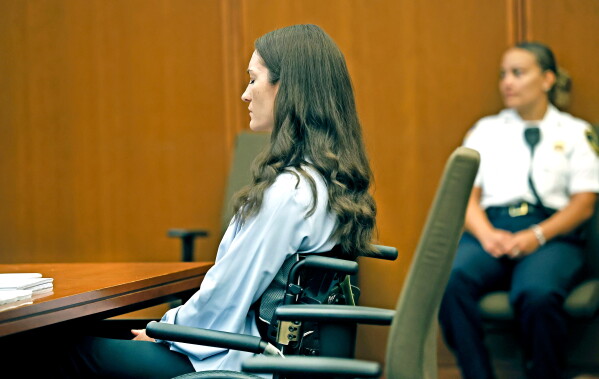
Clancy has pleaded not guilty by reason of insanity. Her defense acknowledges that she killed her three children — five-year-old Cora, three-year-old Dawson and eight-month-old Callan — but argues that she was suffering from severe postpartum psychosis and other psychiatric problems that left her unable to understand the nature or wrongfulness of her actions. Clancy then attempted suicide by cutting her wrists and jumping from a second-story window, leaving her paralyzed from the waist down.
Tufts testified that she diagnosed Clancy with anxiety and adjustment disorder rather than bipolar disorder or postpartum psychosis. She said Clancy never told her that she was hearing voices or having thoughts about harming her children, and Tufts said she did not observe signs of psychosis during their appointments. At Clancy’s final appointment on January 23, 2023, one day before the killings, Tufts testified that Clancy denied being suicidal or homicidal, although she acknowledged feeling depressed and hopeless.
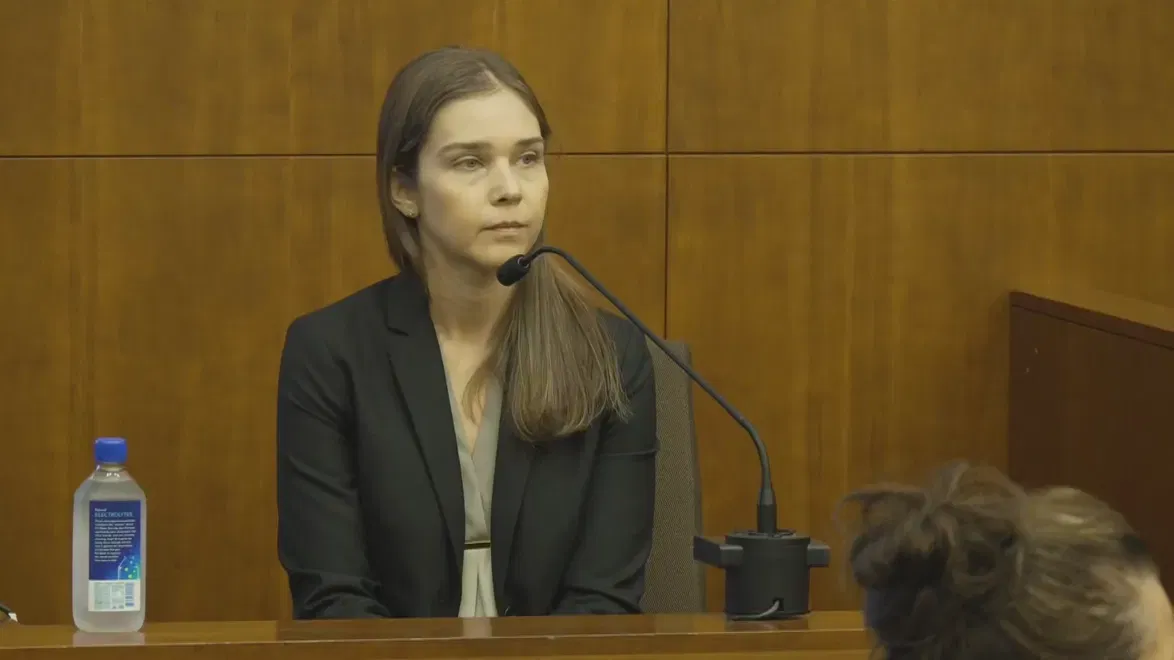
The defense challenged that ᴀssessment by pointing to information Tufts did not know at the time. During cross-examination, Tufts acknowledged that she was unaware Clancy had called a suicide H๏τline twice before the killings. The revelation surprised the psychiatrist and gave the defense another opportunity to argue that the full severity of Clancy’s condition had not been communicated to her treating doctors.
Reddington also questioned Tufts about medication changes and whether Clancy’s treatment was sufficiently thorough given her worsening symptoms. The defense has argued that Clancy experienced serious side effects from medications, struggled with severe insomnia and increasingly felt disconnected from reality. According to the defense, these problems were part of a broader psychiatric deterioration that ultimately culminated in postpartum psychosis.
The prosecution has presented a different interpretation. Prosecutors argue that Clancy’s behavior before and during the killings demonstrates that she understood what she was doing and that her actions were deliberate. They have emphasized testimony from medical professionals who interacted with her shortly before the tragedy and did not observe clear signs of psychosis.
The testimony of Tufts is particularly important because it allows jurors to examine what Clancy’s mental-health providers actually knew before the deaths occurred. The defense is attempting to show that warning signs were present but were overlooked, while prosecutors argue that the available medical records and observations did not support a diagnosis of psychosis at the time.
Earlier in the trial, another psychiatrist who treated Clancy during a voluntary hospitalization at McLean Hospital in January 2023 also testified that she diagnosed Clancy with severe major depressive disorder without psycH๏τic features. That doctor said Clancy reported insomnia, numbness and suicidal thoughts but did not display symptoms that led her to diagnose postpartum psychosis.
The defense has repeatedly challenged the adequacy of the psychiatric evaluations, including whether doctors had access to Clancy’s complete medical history and whether medication changes were carefully monitored. The legal team has also pointed to the fact that Clancy sought help from several providers before the killings, arguing that her efforts to obtain treatment demonstrate how seriously she was struggling.
At the same time, the prosecution has emphasized that having a mental illness does not automatically make someone legally incapable of understanding right from wrong. The jury must determine whether Clancy’s condition met Mᴀssachusetts’ specific legal standard for criminal responsibility at the time of the killings.
The case has already included emotional testimony from Clancy’s former husband, Patrick Clancy, who described her decline after the birth of their third child and spoke about her mental-health struggles. He also testified about the final day and the devastating discovery he made after returning home.
Other witnesses, including the family’s former nanny, have described Lindsay as a loving and attentive mother and said they never saw behavior suggesting that she posed a danger to her children. The defense has used those accounts to argue that her psychiatric crisis was not obvious to the people closest to her.
Prosecutors, however, continue to argue that the evidence points to intentional conduct rather than an uncontrollable psycH๏τic episode. The conflicting testimony means that the jury will ultimately have to weigh not only Clancy’s medical history but also her behavior, communications, treatment records and actions immediately before and after the children’s deaths.
The trial remains ongoing, and no verdict has been reached. If Clancy is found criminally responsible and convicted of first-degree murder, she faces life imprisonment without the possibility of parole. If jurors determine that she was not criminally responsible because of mental illness, she would instead be committed to a secure psychiatric facility.
For now, Dr. Tufts’ testimony has given the defense an opportunity to question whether Lindsay Clancy received the right treatment at a time when her mental health was rapidly deteriorating. The prosecution, meanwhile, continues to rely on the observations of doctors who did not see evidence of psychosis before the tragedy.
As more psychiatric evidence is presented, the central question remains the same: whether Lindsay Clancy’s mental illness was severe enough to prevent her from understanding the nature and wrongfulness of her actions when her three children died.
Sources: https://apnews.com/article/lindsay-clancy-murder-trial-psychiatrist-cross-examination-965843d8143a1bf3daa044b7d356a1bb