🚨 “He Was Only 15—and Weighed Just 69 Pounds.” The Timothy Ferguson Case Still Raises Painful Questions About How Years of Abuse Went Undetected


Some criminal cases fade from public attention after a verdict is delivered. Others continue to resonate because they expose deeper questions about child protection, family oversight, and the responsibility of adults to safeguard vulnerable children.
The case of Timothy Ferguson is one of those tragedies.
Although the criminal proceedings have concluded, the story continues to be discussed across Michigan and beyond—not only because of the sentence imposed, but because many people continue asking how a child with significant disabilities could experience prolonged abuse without earlier intervention.
A Life That Ended Far Too Soon
Timothy Ferguson was just 15 years old when he died on July 6, 2022.
According to prosecutors, Timothy lived with developmental and mental disabilities that made him especially dependent on the adults responsible for his care. Rather than receiving the protection and support he needed, court evidence described a prolonged pattern of neglect and abuse that ultimately resulted in his death.
When emergency responders found Timothy, investigators reported that he weighed only 69 pounds, a figure that became one of the most shocking details presented during the criminal trial.
Medical evidence showed he had suffered from severe malnutrition, and prosecutors argued that his condition was the result of intentional and ongoing mistreatment rather than an unavoidable medical circumstance.
A Trial That Revealed Disturbing Evidence
During the proceedings in Muskegon County Circuit Court, prosecutors presented extensive testimony, medical evidence, and digital records documenting Timothy’s living conditions.
According to the prosecution, the evidence demonstrated a sustained pattern of deprivation involving food, care, and basic necessities over an extended period.
The case drew widespread public attention because investigators alleged the abuse occurred inside Timothy’s own home—the place where every child should feel safest.
Throughout the trial, jurors heard evidence describing the extent of Timothy’s suffering before his death.
Judge Delivers One of Michigan’s Harshest Sentences
On January 23, 2024, Shanda Vander Ark, then 44 years old, was sentenced to life in prison without the possibility of parole after being convicted in connection with Timothy’s death.
She also received an additional sentence of 50 to 100 years for first-degree child abuse.
During sentencing, Judge Matthew Kacel described the crimes in exceptionally strong terms, stating that he struggled to understand how a parent could intentionally inflict such suffering on a child.
The judge concluded that the evidence presented throughout the trial demonstrated prolonged and deliberate abuse, imposing the maximum sentence available under Michigan law.
The ruling ensured Vander Ark will spend the remainder of her life in prison.
A Family Forever Changed
One of the most emotional moments during sentencing came when Timothy’s brother, Nolan Ferguson, addressed the court.
His victim impact statement reflected the profound grief experienced by surviving family members, emphasizing the lasting loss caused by Timothy’s death.
The statement became one of the most widely reported moments of the hearing, illustrating how crimes involving children leave consequences that extend far beyond the courtroom.
Defense Arguments Failed to Change the Outcome
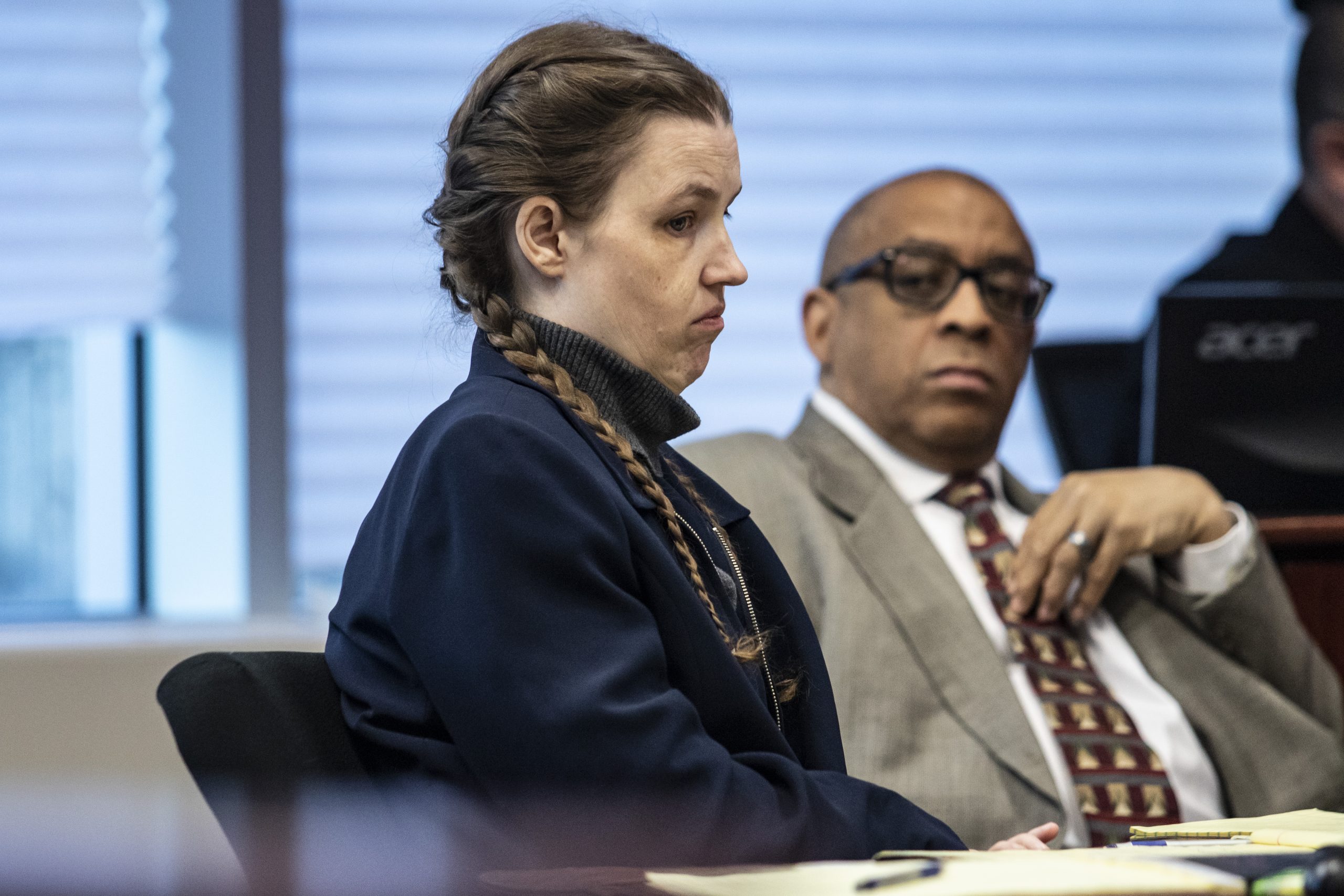
During sentencing, Vander Ark declined to make a statement to the court.
Her defense attorney argued that she had faced significant personal challenges throughout her life and suggested that mental health issues should be considered when determining punishment.
However, after reviewing all of the evidence presented during trial, the court determined that the severity of the crimes warranted the most serious sentence permitted under state law.
Another Family Member Faced Criminal Charges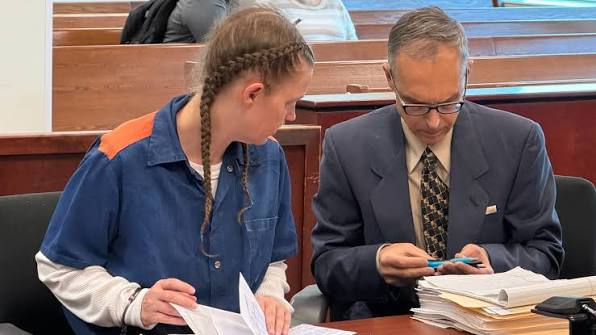
The investigation also resulted in charges against Timothy’s older brother, Paul Ferguson.
He pleaded guilty to first-degree child abuse in December 2023 in relation to his role in the events surrounding Timothy’s treatment.
His case proceeded separately through the Michigan court system.
Where the Case Stands Today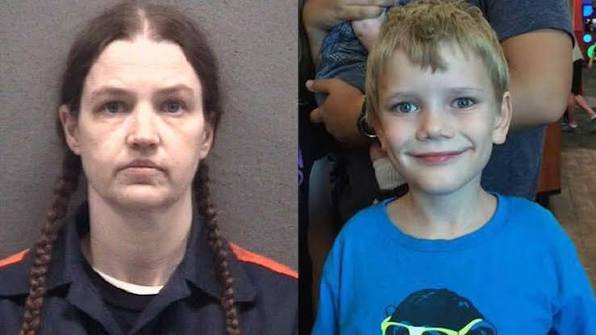
As of July 2026, no successful appeal or modification of Shanda Vander Ark’s sentence has been publicly reported.
She remains in the custody of the Michigan Department of Corrections, serving a life sentence without the possibility of parole.
The criminal proceedings have concluded, but discussions surrounding the case continue among child welfare advocates, legal experts, and members of the public.
Many believe the tragedy underscores the importance of recognizing warning signs, strengthening support systems for vulnerable children, and ensuring that concerns about abuse receive timely attention.
A Case That Continues to Leave Lasting Questions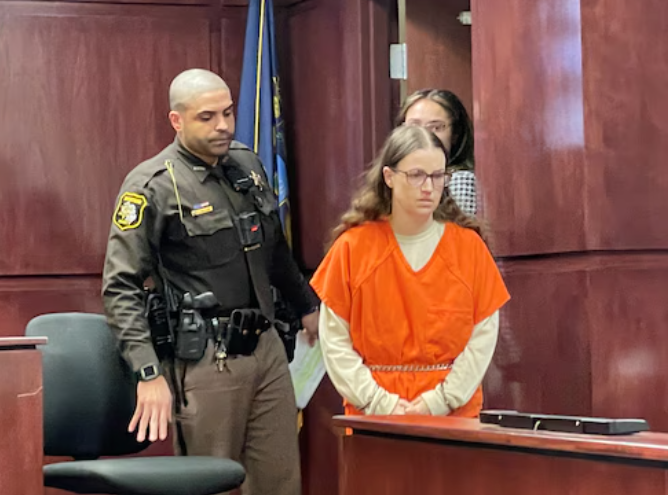
The Timothy Ferguson case is remembered not only because of the punishment imposed by the court but because it highlighted the devastating consequences that can occur when a vulnerable child is not adequately protected.
For many observers, the lasting legacy of the case is a renewed call for stronger child welfare safeguards, earlier intervention when concerns arise, and continued efforts to protect children living with disabilities who may be unable to advocate for themselves.
Justice has been delivered through the legal system.
The more difficult challenge—and the one that continues today—is ensuring that future children facing similar risks receive the protection, support, and intervention they need before tragedy occurs.