The Seatbelt Detail: Why true crime viewers are questioning the Mackenzie Shirilla verdict
The Seatbelt Detail: Why true crime viewers are questioning the Mackenzie Shirilla verdict
CRIME & JUSTICE — It has been dubbed the “Hell on Wheels” case—the tragic, high-speed collision in July 2022 that resulted in the deaths of 20-year-old Dominic Russo and 19-year-old Davion Flanagan. Mackenzie Shirilla, then 17, was convicted of murder after driving her vehicle at 100 mph directly into a brick building in a Cleveland suburb.
While the prosecution successfully argued that the crash was a calculated murder-suicide triggered by a toxic relationship, a newly highlighted detail from recent documentaries has ignited an intense debate across social media.
True crime enthusiasts and amateur sleuths are pointing to one specific piece of evidence that they claim complicates the entire “suicidal intent” theory: the seatbelts.
A Sudden Reversal in Routine
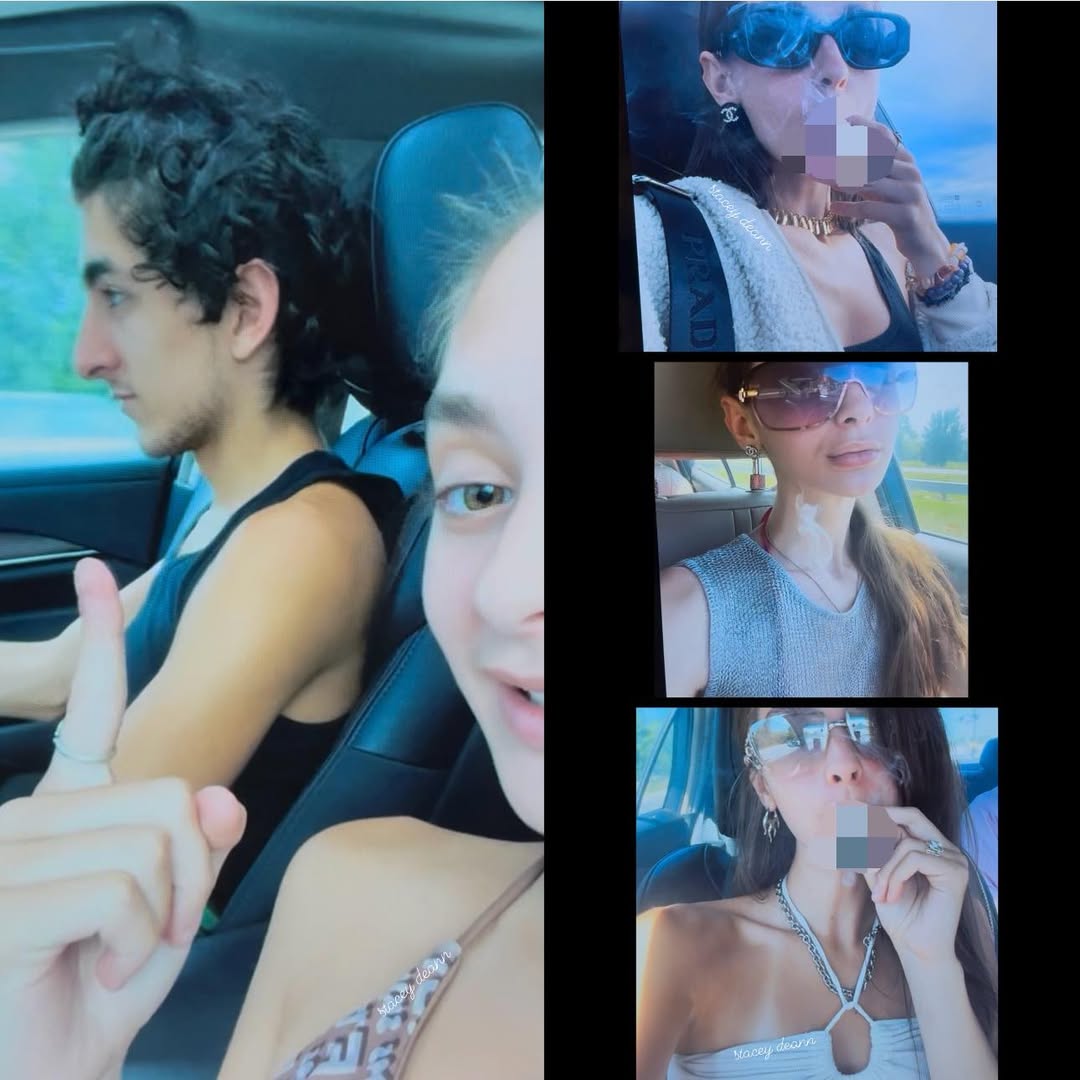
According to court records and digital evidence presented during the trial, Mackenzie Shirilla frequently recorded videos while driving. In multiple clips leading up to the tragedy, viewers noticed a distinct pattern: Mackenzie was routinely seen driving without a seatbelt, sometimes even teasing or pointing out when her boyfriend, Dominic, had his securely fastened.
However, on the night of the fatal crash, the roles were completely reversed.
Forensic reports from the scene confirmed that neither Dominic nor Davion were wearing seatbelts when the vehicle struck the building. Mackenzie, however, was buckled in.

The Psychology of Premeditation vs. Self-Preservation
For many following the case, this sharp divergence from her usual habits has raised major psychological and legal questions.
“Since when do suicidal people think, ‘Oh, let me make sure I’m safe first,’ before intentionally driving 100 mph into a brick wall?” one viral online commentary asked.
The argument suggests a deep paradox: if the driver’s sole intention was a fatal murder-suicide, the act of buckling herself in suggests a conscious effort toward self-preservation—a detail that some argue contradicts the traditional mindset of a suicidal act.
How the Prosecution and Defense Interpret the Evidence
In the legal arena, the exact same piece of evidence can be interpreted in entirely opposite ways:
-
The Skeptic’s View: Those who question the murder-suicide ruling argue that the seatbelt indicates she either did not intend to die, or that the crash was a horrific accident or a “reckless stunt gone wrong” rather than a premeditated execution. They argue her survival instinct kicked in, or that she buckled up simply out of habit that night, meaning the high speed was a loss of control.
-
The Judicial Verdict: Judge Nancy Margaret Russo (no relation to the victim), however, saw the evidence differently. The prosecution argued—and the court ultimately agreed—that the seatbelt was actually proof of premeditation and intent. In the eyes of the law, securing her own seatbelt while leaving her pᴀssengers unprotected showed a deliberate, chilling awareness of the impending impact. It ensured she would survive the mechanical force of the crash to see the outcome of her actions, or at least gave her a calculated advantage in an environment she fully controlled.
A Case That Continues to Haunt
Ultimately, Mackenzie Shirilla was sentenced to life in prison with the possibility of parole after 15 years. The court ruled that her actions were controlled, purposeful, and driven by a literal mission of death.
Yet, as true crime documentaries bring the case back into the spotlight, the silent evidence of the seatbelt remains one of the most heavily parsed details. It serves as a stark reminder of how a single physical fact can be viewed as either the ultimate proof of a calculated crime, or the missing piece of a tragic puzzle.
💬 What’s Your Take?
The law decided that the seatbelt proved premeditation, but many viewers still see it as a contradiction to a suicide mission. How do you interpret this chilling detail? Let us know your thoughts in the comments below, and share this article to keep the discussion going.