“Now he can go to school,” shares Kabrak’s mother with joy
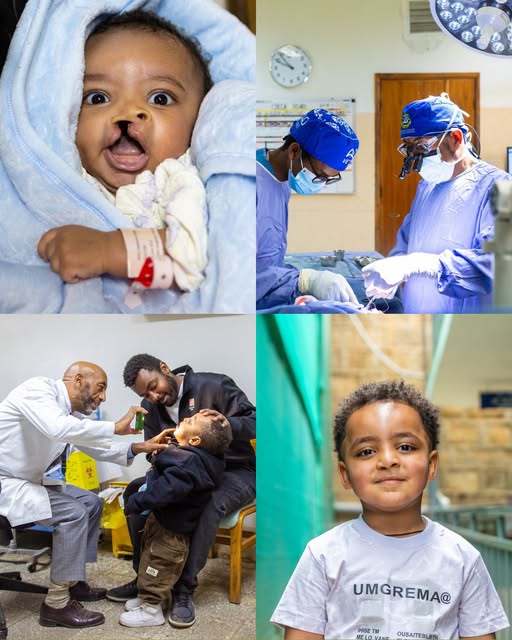
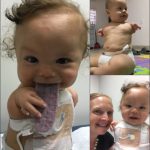
Kabrak was born with a cleft lip and palate, a serious congenital condition that affects the upper lip and roof of the mouth. From his very first moments of life, he faced challenges that made survival itself difficult. Feeding was painful and complicated, breathing was affected, and even simple daily care required constant attention from his family.
For his mother, those early days were filled with fear and helplessness. She watched her child struggle with something that could not be solved by effort or love alone. In many communities, children with visible facial differences also face stigma, and Kabrak was no exception. Beyond the medical burden, there was also emotional pressure, as misunderstandings and social isolation added another layer of difficulty to his early childhood.
As he grew older, the condition continued to affect his development. Speaking clearly was difficult, and eating normally remained a challenge. These limitations made it harder for him to interact confidently with other children and created concerns about whether he would ever be able to attend school like others his age.
Everything began to change when Kabrak accessed specialized medical care at CURE Ethiopia, supported by Smile Train. This marked the beginning of a long and carefully planned treatment journey designed to address not only the physical condition, but also the long-term developmental challenges caused by it.
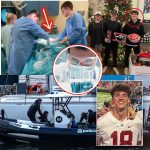
The first step was surgical repair of his cleft lip and palate. These operations were complex and required precision, as they involved reconstructing parts of the face that are essential for both appearance and function. The goal was not only cosmetic improvement but also restoring the ability to eat, breathe, and speak more normally.
In addition to the cleft surgeries, Kabrak also underwent an ENT (ear, nose, and throat) procedure to improve related complications that often come with cleft conditions. These issues can affect hearing, breathing, and overall health if left untreated, so addressing them was an important part of his recovery.
However, surgery alone was not enough. One of the most important stages of his transformation was speech therapy. Over time, he attended regular sessions where specialists helped him learn how to form sounds, improve pronunciation, and strengthen his communication skills. Progress came slowly at first, but with consistency and encouragement, each small improvement built toward a much bigger change.
The journey required patience from both Kabrak and his family. Recovery from cleft treatment is not immediate; it is a process that can take years, involving multiple stages of care, follow-ups, and continuous support. But gradually, the results became visible.