Tragic Rope Jump Death at Skeleton Bridge: Unverified Claims of 20-Minute Rescue Delay and Signs of Life Fuel Speculation as Investigation Continues

The heartbreaking death of 21-year-old Maria Eduarda Rodrigues de Freitas during a rope jump at the Skeleton Bridge in Limeira, Brazil, has gripped social media and sparked intense public discussion. While the core tragedy is undeniable, a wave of unverified claims about the critical minutes immediately after her fall has begun circulating widely online, raising questions that authorities have yet to officially address.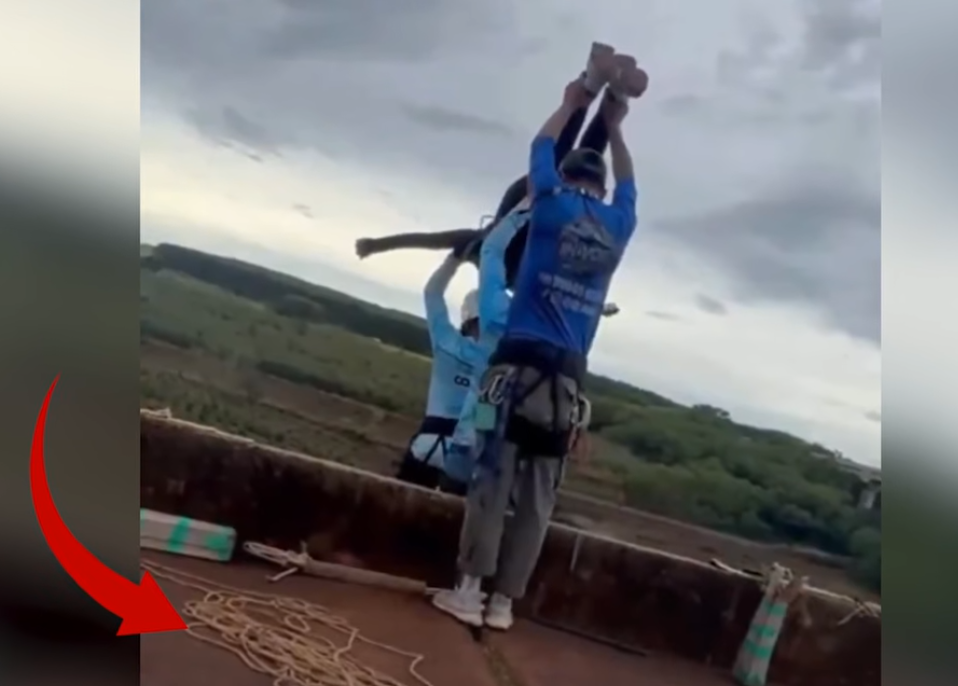
According to numerous social media posts gaining traction, a civilian nurse who reportedly reached the scene claimed that Maria Eduarda still showed signs of life following the impact. These same unconfirmed reports suggest there was a significant delay before full emergency medical services arrived, with some posts specifically referencing a roughly 20-minute timeline between the fall and effective intervention. The emotional weight of these allegations — a young life potentially clinging on while help was still minutes away — has fueled anger, grief, and demands for answers across platforms.
However, it is essential to stress that these details remain unverified. Brazilian authorities have not released any official minute-by-minute reconstruction of the post-impact period. No c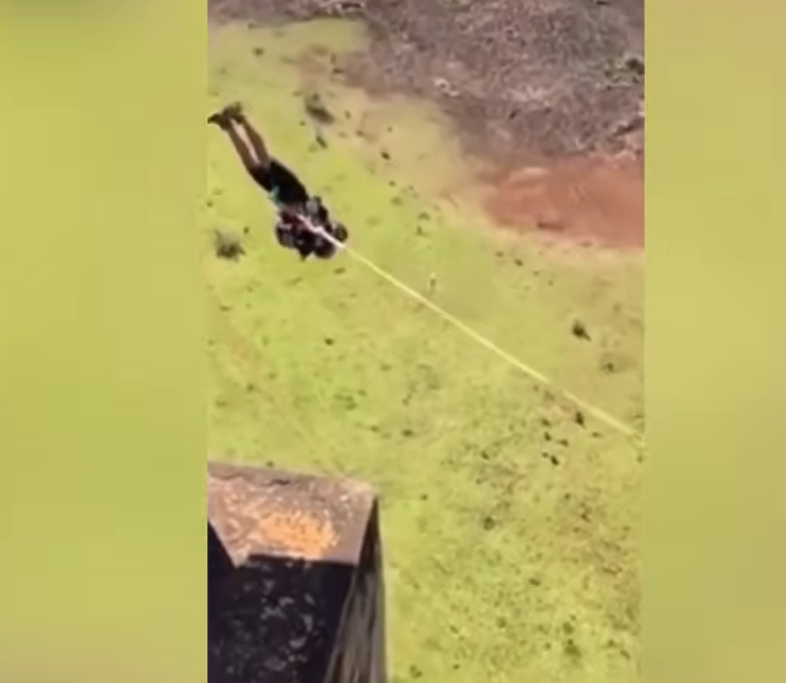 onfirmed investigative reports have publicly detailed the victim’s exact condition immediately after the incident or the precise timing of medical response. At this stage, the reported “20-minute timeline” and claims about signs of life should be treated strictly as speculation unless and until they are substantiated by official evidence.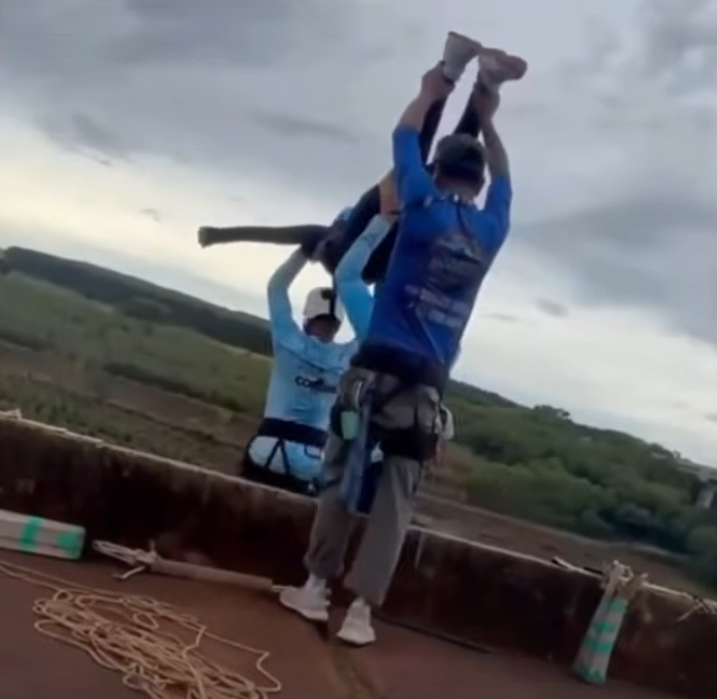
Investigations into incidents of this nature follow a careful, evidence-based process. Authorities typically cross-reference emergency response logs, witness statements, forensic findings, and other documentation before drawing conclusions. In this case, officials are also examining the broader circumstances of the rope jump operation itself — including whether it was properly licensed, whether all required safety protocols were in place and followed, and who held responsibility for on-site supervision and emergency preparedness. These fundamental questions are still under active review.
The rapid spread of unverified narratives highlights a common challenge in high-profile incidents: the speed at which social media can layer new details onto an unfolding story, often outpacing official confirmation. While public interest and the desire for transparency are completely understandable, especially in the wake of such a devastating loss, it remains critical that conclusions are not drawn from unconfirmed reports. Sharing or accepting these claims as established fact risks amplifying speculation rather than contributing to the search for truth.
Maria Eduarda Rodrigues de Freitas was just 21 years old — a life full of potential cut short in circumstances that continue to raise serious questions. Her family and loved ones deserve clear, evidence-based answers once the investigation is complete. Until then, the focus must stay on verified facts and the ongoing work of authorities to determine exactly what happened, both in the moments leading up to the fall and in the critical period that followed.
As the probe continues, the public is strongly encouraged to rely on official updates from Brazilian authorities rather than unverified social media posts. Transparency will ultimately be the most powerful way to honor Maria Eduarda’s memory and help prevent similar tragedies in the future.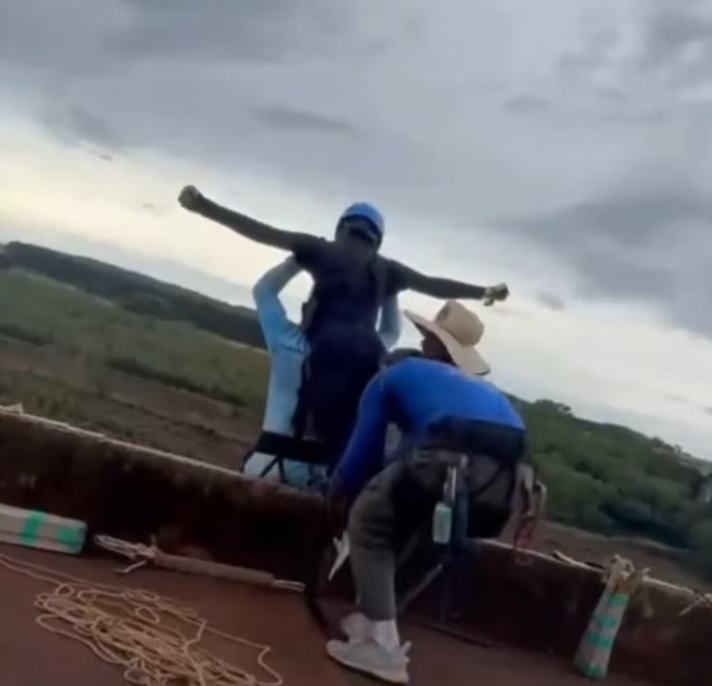
For now, the reported details about signs of life and any alleged delay in emergency response remain unconfirmed. The investigation is ongoing, and the full truth will only emerge through careful, official examination — not through speculation, no matter how emotionally compelling it may seem.