Extreme Sports Backlash: Should Unregulated Rope Jumping Be Banned After Student’s Preventable Death in Limeira?hl

Extreme Sports Backlash: Should Unregulated Rope Jumping Be Banned After Student’s Preventable Death in Limeira?
The horrific death of 21-year-old physical-education student Maria Eduarda Rodrigues de Freitas has triggered a fierce national and international backlash against unregulated rope jumping in Brazil. On June 13 at the abandoned Ponte do Esqueleto (Skeleton Bridge) in Limeira, São Paulo state, Eduarda was casually hurled 40 meters (131 feet) without her safety rope attached by crew from operators Entre Cordas and Ih Voei. Viral footage shows the three helmeted men launching her in a “Superman” pose while the cord remained coiled on the platform. Onlookers’ screams of “Attach the cord!” came too late. She struck the ground, was still alive initially, and an off-duty nurse, Rayza Dias, performed CPR, pleading, “Nobody dies on my shift.” Eduarda succumbed to her injuries at the scene.
This marks at least the third fatality at the federal viaduct in recent years, following prior incidents including two women seriously injured in August 2025. The site has operated as an informal extreme-sports venue charging around R$180 per jump with no permits, mandatory inspections, or oversight—despite being abandoned federal property. Six people linked to the companies have been arrested; three face homicide charges with “eventual intent.” Eduarda’s mother’s anguished post—“That damned rope took you from me forever”—has become a rallying cry.
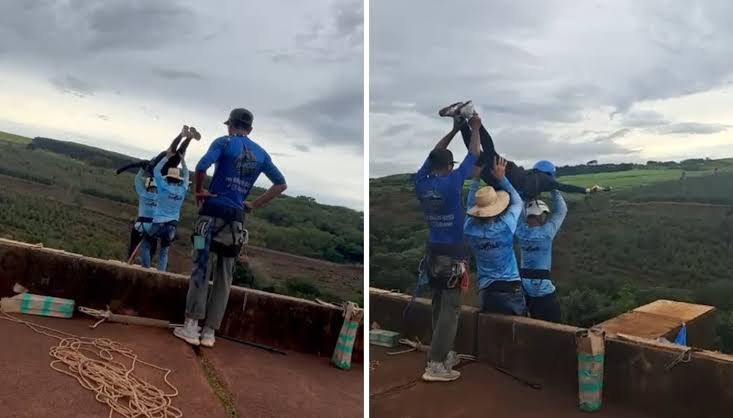
The tragedy has reignited debate: Should unregulated rope jumping be banned outright? Proponents argue yes. When operators skip the single most critical safety step and multiple deaths go unaddressed, the activity crosses from thrill-seeking into reckless endangerment. The casual execution in the video—three adults, zero visible checks—proves that self-regulation fails. A ban would force commercial operators into licensed, inspected facilities with double-check protocols, independent safety officers, and video documentation of every jump. Limeira’s mayor has already accused federal authorities of “omission,” vowing to sue for years of ignored warnings.
Opponents counter that a blanket ban infringes on personal freedom and drives the activity underground, where risks multiply. Regulated alternatives—properly permitted sites with trained professionals and insurance—could preserve the sport while protecting participants. Yet the Limeira case exposes the gap: “unregulated” has meant “illegal in practice” when lives are lost.

Eduarda, described as vibrant and adventurous, was buried on Sunday amid widespread mourning. As investigations examine training logs and federal responsibility, the question lingers: how many more preventable deaths will it take? The backlash is clear—extreme sports must prioritize safety over profit, or face prohibition. The world is watching Brazil’s next move.