Youth Baseball Safety Under Scrutiny After 12-Year-Old Xavier Taylor’s Life-Threatening Injury.hl
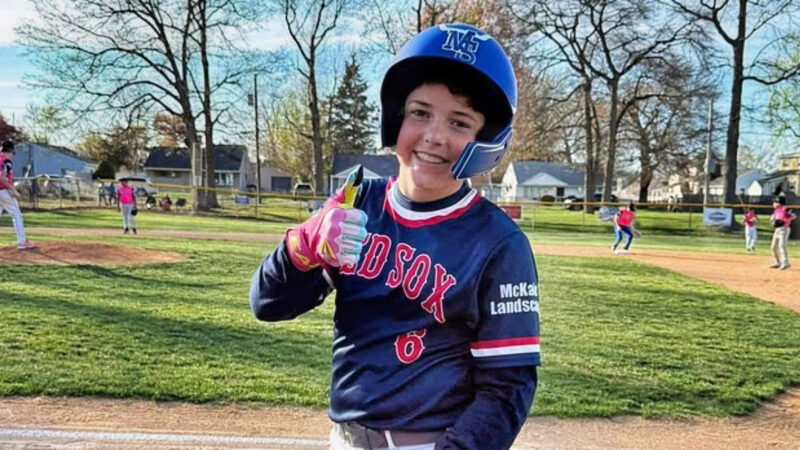
The freak accident that left 12-year-old Xavier Taylor fighting for his life has ignited urgent conversations about safety protocols in youth baseball. On May 26, 2026, during pregame warmups at Fellowship Columbia Bank Field in Maple Shade, New Jersey, an errant throw struck the Maple Shade Youth Baseball player in the neck. He collapsed with cardiac arrest and was airlifted to Cooper University Hospital, where he remains in critical condition.1
What makes this tragedy particularly alarming is how routine the moment appeared—players loosening arms before a game. Xavier’s father and coach, Gregory Taylor, has stressed it was a “freak accident” with no blame ᴀssigned. Yet the incident has exposed gaps in protection and preparedness that experts say demand immediate attention.
Head, neck, and face injuries already account for a disproportionate share of youth baseball trauma. Studies show they represent 20–40% of all cases, with the youngest players (5–10 years old) facing the highest percentages of head/face involvement—over 50% in some datasets.2 Nationwide, more than 110,000 children under 18 visit emergency departments annually for baseball-related injuries, most often from being struck by the ball.
Current rules offer uneven safeguards. Little League mandates NOCSAE-approved helmets for batters and full catcher gear—including a throat guard—for those behind the plate. Fielders and warm-up participants, however, typically wear minimal or no neck protection. Throat guards are largely catcher-specific, leaving players like Xavier vulnerable during casual throws.
The rarity of neck impacts leading to cardiac arrest does not diminish the risk. Similar blunt-trauma events, such as commotio cordis (usually chest strikes), underscore how a single misdirected ball can prove catastrophic. Xavier’s case has prompted calls for broader adoption of lightweight neck collars, expanded AED availability on fields, and mandatory CPR training for coaches—measures already required in 35 states plus D.C. for school sports.
Community response reveals both resilience and systemic shortcomings. Hundreds attended a prayer vigil at the exact field where Xavier was injured; teammates don his No. 6 jersey; local businesses sell “Shade Strong” shirts. Fundraising has exceeded $122,000. Professional teams, including the Trenton Thunder, have held moments of silence.
Advocates argue these outpourings must translate into policy. Requiring throat or neck guards during all warm-ups, enforcing greater throwing distances, and standardizing emergency response drills could prevent future tragedies. As one parent put it, “If it can happen in a simple warmup, it can happen anywhere.”
Xavier’s ongoing battle—stable vitals but still critical—serves as a stark reminder: youth baseball’s joy comes with real risks. The sport’s governing bodies, leagues, and parents now face a clear choice—evolve protections or accept that the next errant throw could claim another life.