Oil Company Discovers “T-Rex-like” Bone in North Sea Drilling Core? No Credible Evidence Supports This Claim.lh
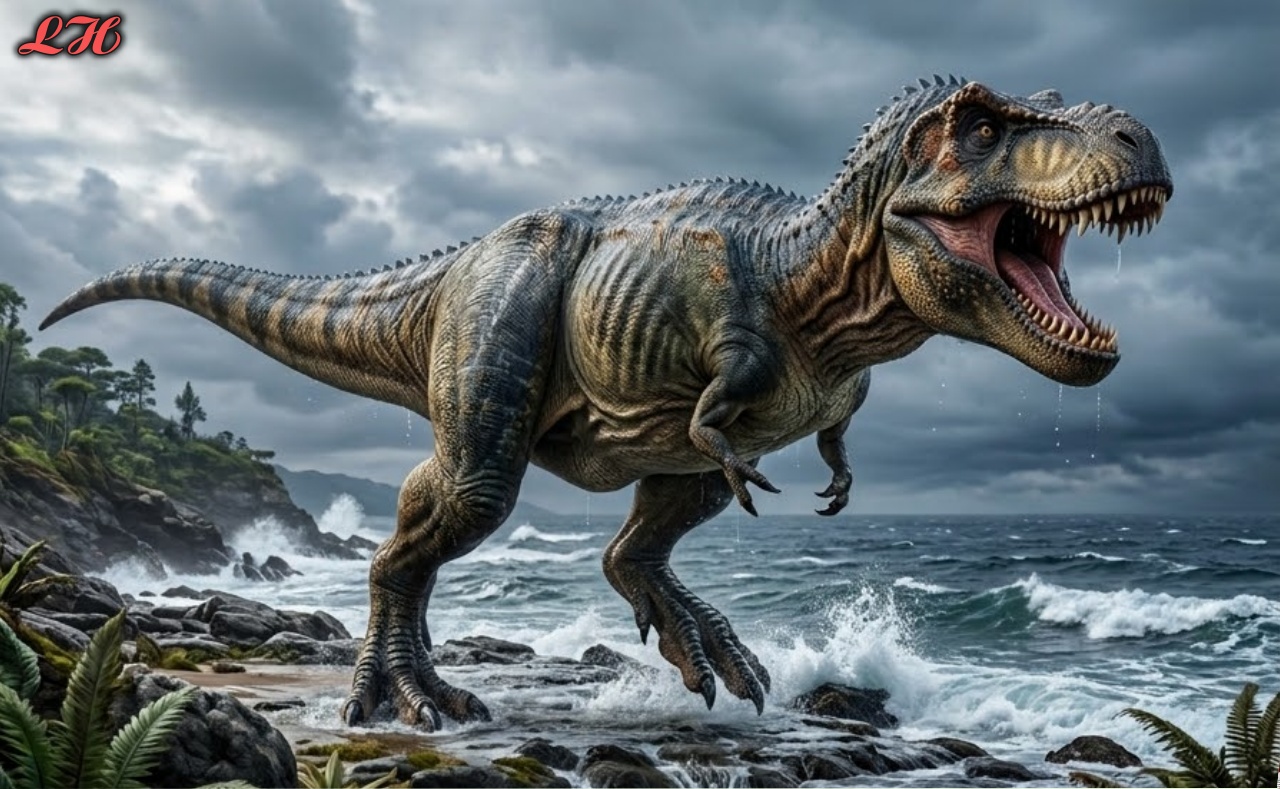
Oil Company Discovers “T-Rex-like” Bone in North Sea Drilling Core? No Credible Evidence Supports This Claim
No verified report exists of any oil company recovering a bone “similar to T-Rex” from a drilling core beneath the North Sea. The claim appears to be a sensational distortion of the single confirmed dinosaur fossil from the region — a 4-centimetre Plateosaurus knucklebone extracted in 1997 from 2,256 metres beneath the seabed at Norway’s Snorre field.
That bone belongs to a Late Triᴀssic (~210–195 million years old) sauropodomorph, not a tyrannosaur. Tyrannosaurus rex lived exclusively in western North America during the final 2–3 million years of the Cretaceous (68–66 Ma) — more than 130 million years later and on a completely different continent. No T. rex or closely related tyrannosaur has ever been found in Europe, let alone in marine cores from the North Sea.
The only dinosaur fossil documented from North Sea drilling remains the Plateosaurus phalanx. It reached its extreme depth through normal post-mortem river transport followed by 200 million years of sedimentation and tectonic subsidence — not because a T. rex lived in the ocean.
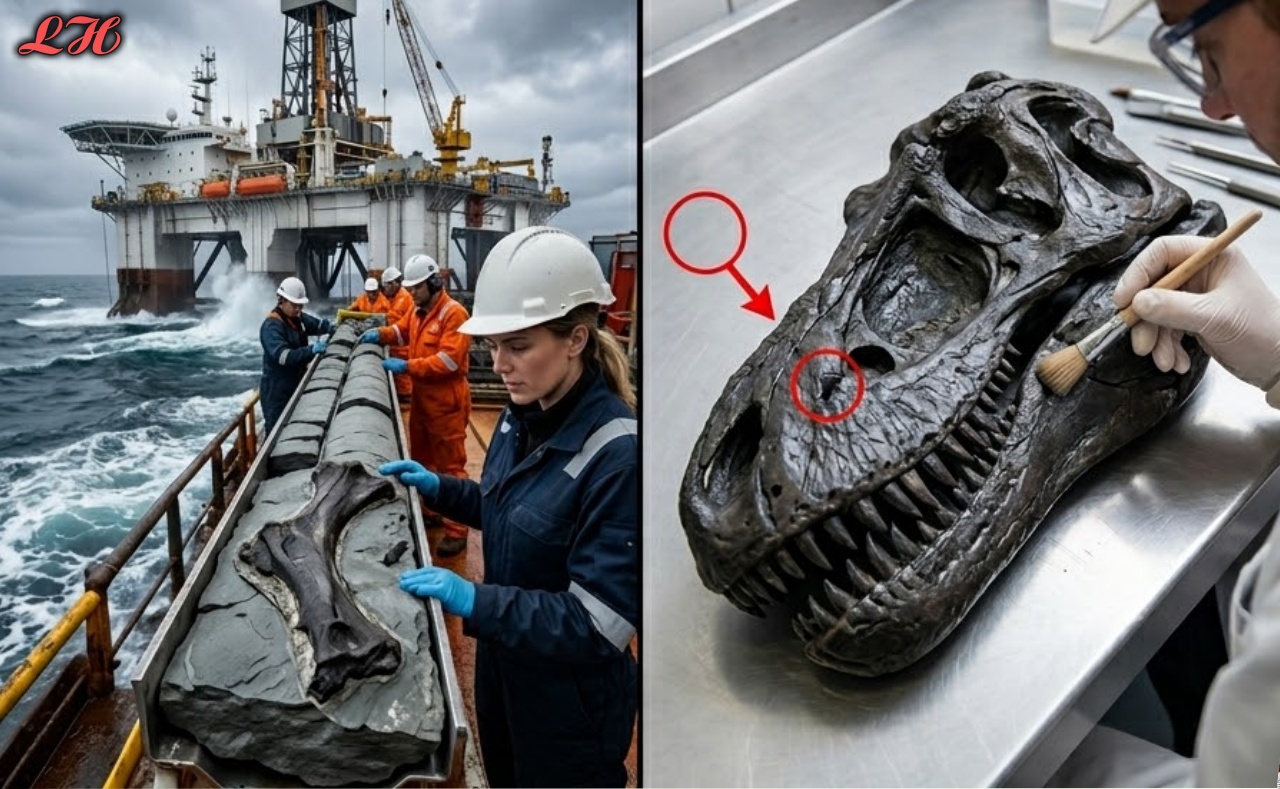
Oil companies are required to report significant palaeontological finds in many jurisdictions, and any genuine tyrannosaur bone would have been widely publicised in scientific literature. None has appeared.
From the North Sea drilling platforms, the lone confirmed dinosaur fossil continues to tell the same clear story: dinosaurs were land animals, and their rare appearances in marine sediments result from ordinary geological processes. Claims of “T-Rex-like” bones in North Sea cores remain unsubstantiated.