Prosecution Claims Intentional Murder in Ongoing Frisco High School Stabbing Trial
Prosecution Claims Intentional Murder in Ongoing Frisco High School Stabbing Trial
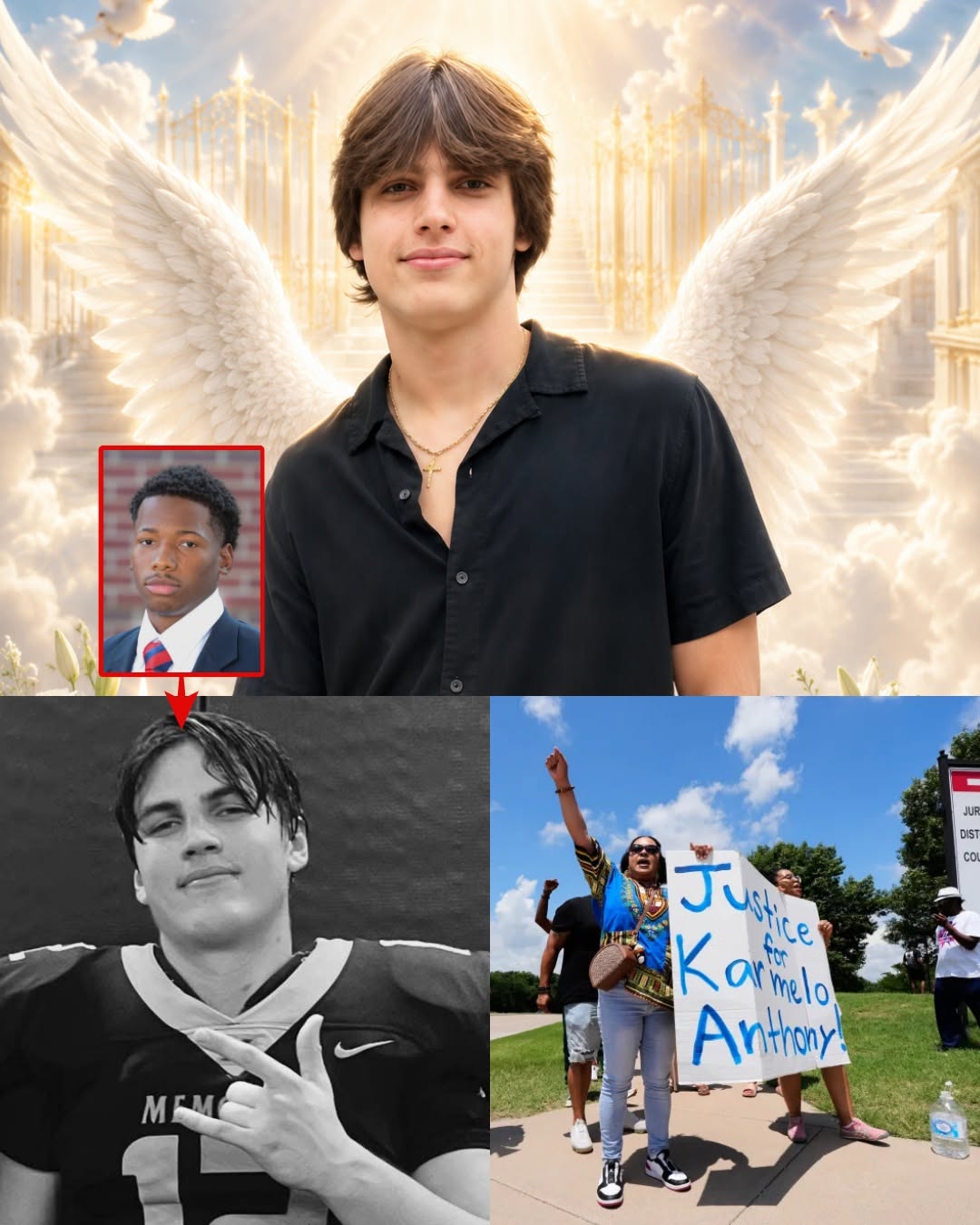
The murder trial of 17-year-old Karmelo Anthony continued on June 4, 2026, in Frisco, Texas, with prosecutors presenting what they describe as compelling evidence that the fatal stabbing of fellow 17-year-old Austin Metcalf during a high school track meet was an intentional act of murder rather than self-defense.
The case stems from an incident on April 2, 2025, when an altercation between the two students escalated during a school athletic event. Austin Metcalf sustained fatal stab wounds and later died from his injuries, prompting an investigation that led to murder charges against Anthony.
 During recent proceedings, prosecutors laid out their argument before the jury, emphasizing witness testimony, surveillance footage, and forensic evidence collected from the scene. According to the prosecution, multiple accounts describe a rapidly escalating confrontation that ended in a single, decisive act of violence. They argue that the evidence demonstrates intent and contradicts the defense’s claim of self-defense.
Several surveillance video clips were shown in court, reportedly capturing portions of the incident and the immediate aftermath. While the footage does not provide a complete narrative, prosecutors argue it supports witness statements describing a chaotic environment at the track meet. Jurors also heard testimony from individuals present at the time, offering differing perspectives on how the confrontation began and escalated.
 The defense, meanwhile, continues to argue that the circumstances surrounding the incident must be carefully considered in full context, maintaining that the defendant’s actions do not meet the legal standard for murder. They are expected to challenge both the interpretation of the video evidence and the reliability of certain witness accounts as the trial progresses.
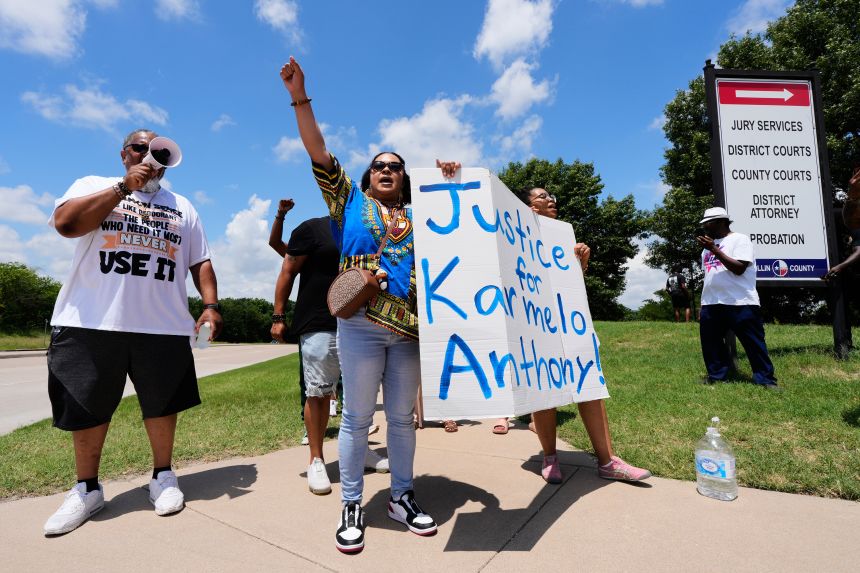
Adding further complexity to the case, the composition of the jury has become a point of public discussion. Reports indicate that the final jury pool does not include any Black jurors, despite the defendant being Black. Defense attorneys and some civil rights observers have raised concerns about representation and fairness, while court officials maintain that the jury selection process followed established legal procedures.
The courtroom proceedings have drawn significant attention due to the age of those involved, the setting of the incident, and the broader questions it raises about youth violence and accountability. The trial has also sparked discussion in the community about school safety and conflict resolution among teenagers.
 Legal experts note that the central issue the jury must decide is intent—whether the prosecution can prove beyond a reasonable doubt that the stabbing was a deliberate act of murder, or whether the defense can establish reasonable doubt regarding self-defense or other mitigating factors.
As the trial continues over the coming days, both sides are expected to present additional witnesses and arguments aimed at shaping the jury’s understanding of the events that led to Austin Metcalf’s death.
For the families involved, the proceedings are a painful reminder of a single moment that permanently changed two lives and deeply affected a community still searching for answers.