Trial of Karmelo Anthony Begins in Fatal Stabbing of Austin Metcalf at High School Track Meet
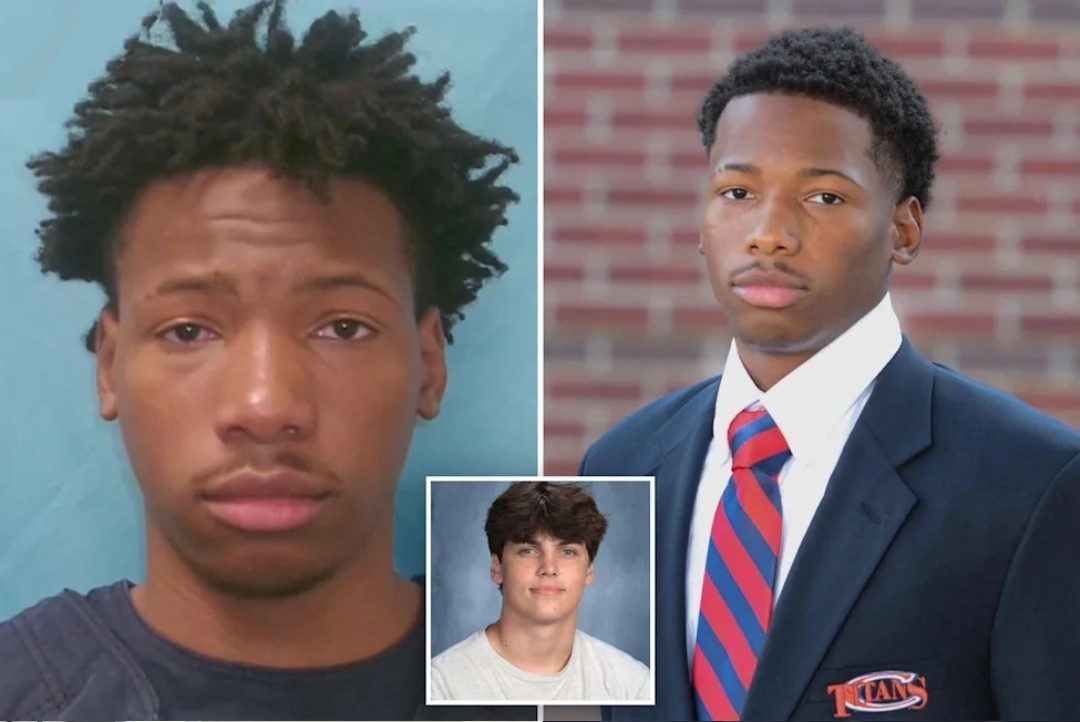
The long-awaited trial of Karmelo Anthony officially began this week in Texas, drawing intense public attention as jurors prepare to examine the events that led to the tragic death of 17-year-old Austin Metcalf during a high school track and field meet in 2025. What started as a confrontation between two teenagers at Kuykendall Stadium in Frisco has now become a high-profile legal case centered on questions of responsibility, self-defense, and the devastating consequences of youth violence.
According to prosecutors, the incident unfolded during a multi-school track meet attended by athletes, coaches, and spectators. They allege that an argument between Anthony and Metcalf escalated quickly, culminating in Anthony allegedly stabbing the teenager. The prosecution has stated that evidence will show Anthony was responsible for the fatal attack and that his actions directly led to Metcalf’s death. During opening statements, they emphasized the severity of the confrontation and the profound impact it has had on the victim’s family and the broader community.
The defense, however, has presented a sharply different account. Attorneys for Karmelo Anthony argue that he acted in self-defense and that the circumstances surrounding the confrontation must be considered in full context. They maintain that evidence and witness testimony will demonstrate that Anthony reasonably feared for his safety at the time of the incident. Legal observers note that self-defense claims in cases like this often hinge on detailed examination of the moments leading up to the use of force, making witness credibility and available evidence particularly important.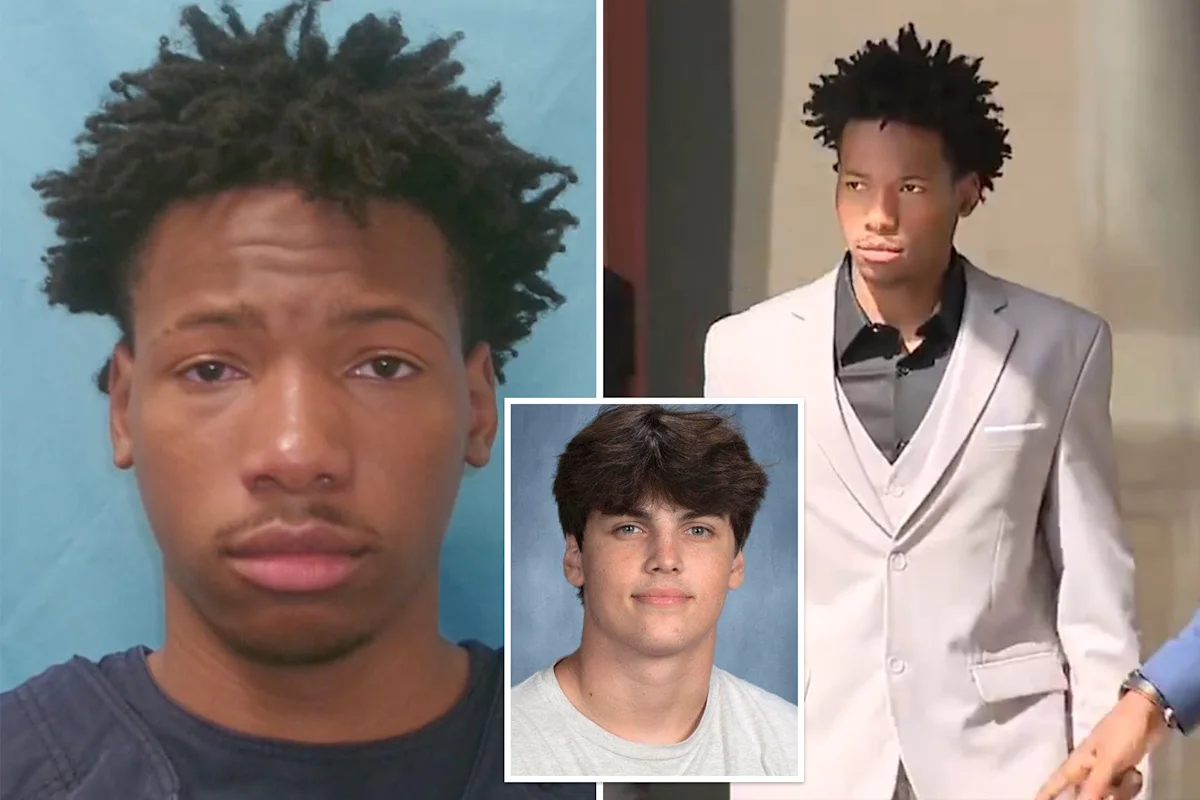
As the trial progresses, jurors are expected to hear from multiple eyewitnesses who were present at the stadium, along with law enforcement officers, medical experts, and investigators who responded to the scene. The courtroom is likely to focus heavily on the sequence of events, the nature of the argument between the two teenagers, and whether Anthony’s response was legally justified under the circumstances.
Outside the courthouse, emotions remain high. Supporters of both families have gathered during the proceedings, while community members continue to grapple with the tragedy that unfolded at what should have been a routine school sporting event. The death of Austin Metcalf has sparked widespread discussions about school safety, youth conflict resolution, and the lasting consequences of split-second decisions made in moments of heightened emotion.
For Austin Metcalf’s family, the trial represents another difficult chapter in a loss that changed their lives forever. For Karmelo Anthony, the outcome will determine whether the jury views his actions as a criminal offense or a legally justified act of self-defense. The case has remained in the public eye not only because of the ages of those involved, but also because of the conflicting narratives surrounding the confrontation.
Legal analysts have pointed out that trials involving self-defense claims often come down to how jurors interpret perceived threats and whether the defendant’s response was reasonable given the situation. With testimony ongoing in the coming days, the court will seek to answer the central question at the heart of the case: what exactly happened during those final moments at Kuykendall Stadium, and who bears legal responsibility for the death of Austin Metcalf?
The trial has also reignited broader conversations about the need for better conflict resolution strategies among young people and stronger measures to prevent arguments from escalating into violence. Community leaders and safety advocates have called for increased education and awareness around de-escalation, particularly in school and public settings.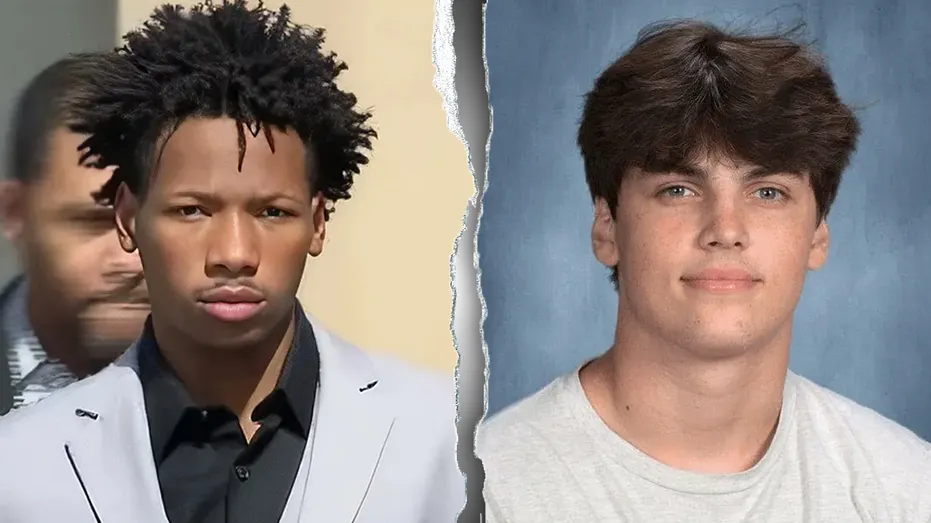
As the legal process continues, both families are left navigating profound grief and uncertainty. Austin Metcalf’s loved ones continue to mourn the loss of a young life full of potential, while Karmelo Anthony’s family faces the weight of the charges against him. The case serves as a sobering reminder of how quickly ordinary moments can turn tragic and how deeply such events ripple through families and communities.
Though the trial is still unfolding, one thing remains clear: the death of Austin Metcalf has left an indelible mark on all who knew him and on the wider conversation about youth safety and responsibility. As jurors deliberate the facts presented in court, many across Texas and beyond are watching closely, hoping that justice will be served and that lessons can be learned to help prevent similar tragedies in the future.