773,000-Year-Old Fossils Discovered in Morocco: A Candidate for the ‘Common Ancestor’ of Homo sapiens, Neanderthals, and Denisovans,lh
773,000-Year-Old Fossils Discovered in Morocco: A Candidate for the ‘Common Ancestor’ of Homo sapiens, Neanderthals, and Denisovans
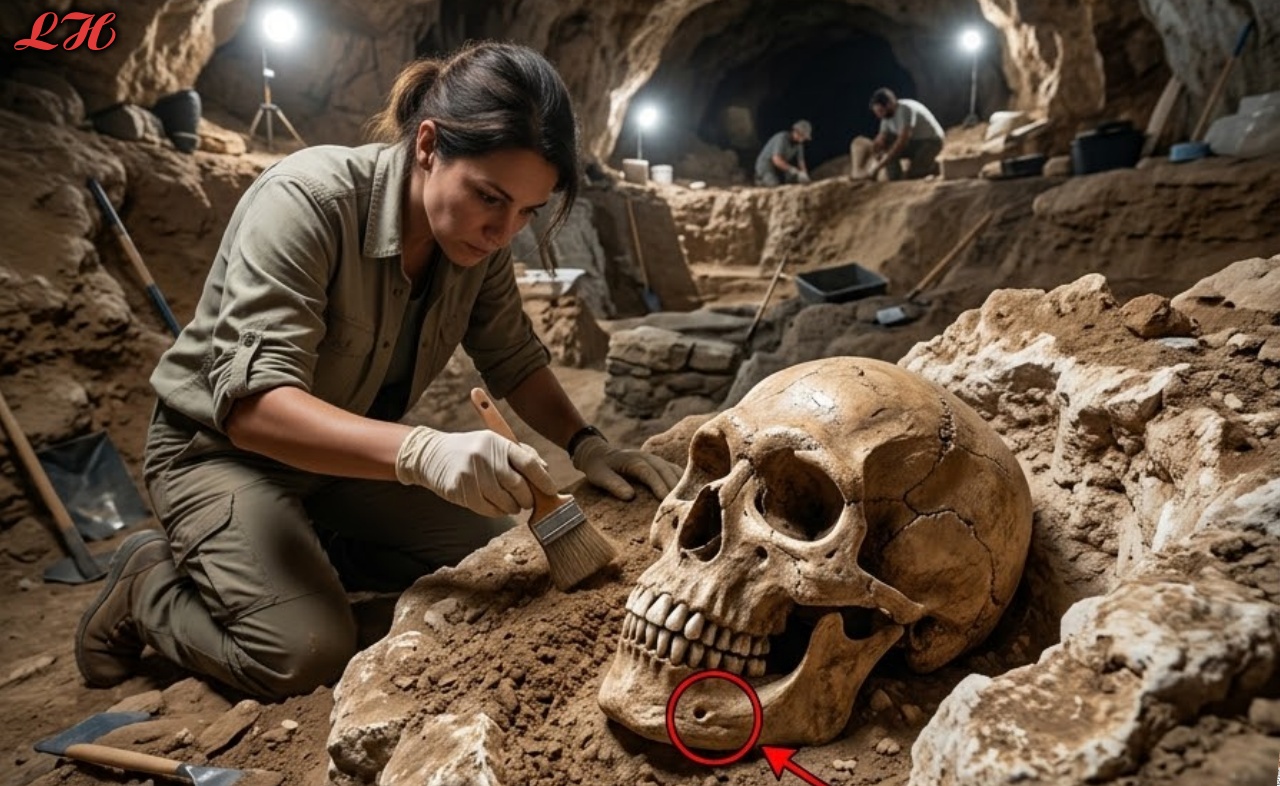
On January 7, 2026, the journal Nature published a groundbreaking study: hominin fossils unearthed at the Thomas Quarry I (Grotte à Hominidés) near Casablanca, Morocco, are precisely dated to 773,000 years old. This is one of the earliest and most accurately dated physical evidences of a branching stage of a common ancestor between Homo sapiens, Neanderthals, and Denisovans.
The fossil set, consisting of a lower jawbone, teeth, vertebrae, and a fragment of a femur, belongs to a hominin population with morphological characteristics intermediate between evolved Homo erectus and later species. Researchers, led by Jean-Jacques Hublin (Max Planck Insтιтute) and colleagues from Morocco, Spain, and the UK, believe this African population is located near the roots of the lineage leading to Homo sapiens – also a common ancestor with Neanderthals and Denisovans.
The dating was determined using magnetostratigraphy by accurately recording the Earth’s magnetic field reversal (Matuyama–Brunhes reversal) 773,000 ± 4,000 years ago. This is one of the most accurate dates ever obtained for a population of African hominins from the Middle Pleistocene.
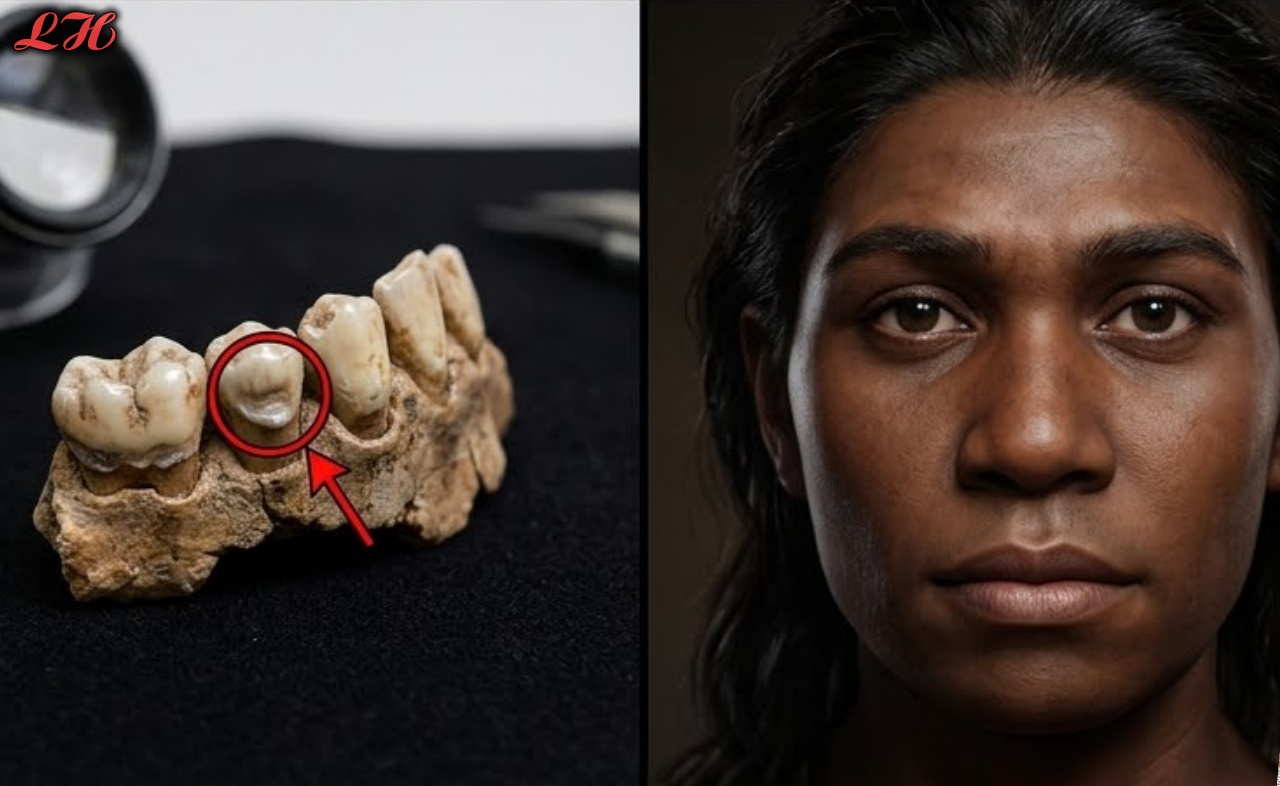
This discovery strongly supports the hypothesis of an African origin of the common ancestor (estimated genetic origin from 765,000–550,000 years ago) and refutes hypotheses of European or Asian origin. It also shows that hominin diversity in Africa was very rich from an early period, with many branches coexisting.
As of June 2026, the research is still debated, but most experts consider it the strongest candidate for the “root” stage before the three lineages diverged. Further excavations at Thomas Quarry promise to shed more light on the complex evolutionary picture of humankind.