Little Foot May Be a Completely New Species: Australian Scientists Overturn Views on South African Ancestors.lh
Little Foot May Be a Completely New Species: Australian Scientists Overturn Views on South African Ancestors
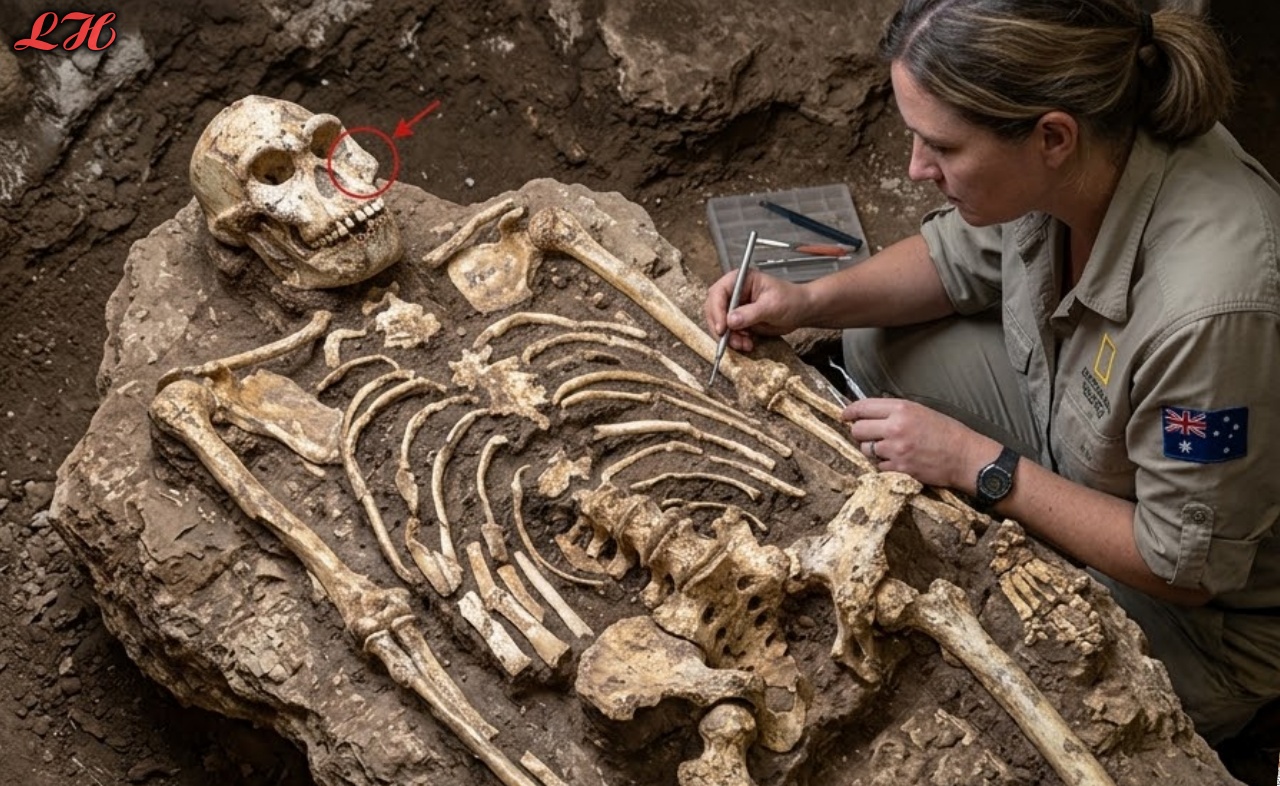
A groundbreaking 2025 study led by Australian scientists has dramatically challenged the classification of the “Little Foot” (StW 573) fossil – one of the most complete human ancestral skeletons ever found. Published in the American Journal of Biological Anthropology (November 29, 2025), Little Foot does not belong to the two previously proposed Australopithecus species and may very well represent a new, previously undescribed Australopithecus species.
Little Foot was unearthed from the Sterkfontein Caves system in South Africa between 1994 and 1998. The nearly complete skeleton (over 90%), including the skull, limb bones, foot, and spine, is dated to approximately 3.67 million years old. The name “Little Foot” comes from the four small foot bones that were first discovered.
Previously, South African paleontologist Ronald Clarke (University of Witwatersrand) suggested that Little Foot belonged to the species Australopithecus prometheus – a species he proposed based on cranial and dental features distinct from the well-known A. africanus (described in 1925). Many other researchers classified it as A. africanus.
However, an international research team led by Dr. Jesse Martin (La Trobe University, Melbourne, Australia) – in collaboration with the University of Cambridge and other experts – analyzed the morphological features in detail. The results showed that Little Foot did not share the unique set of characteristics of both species. Martin stated: “We believe this is a previously unrecorded ancestor of humans.”
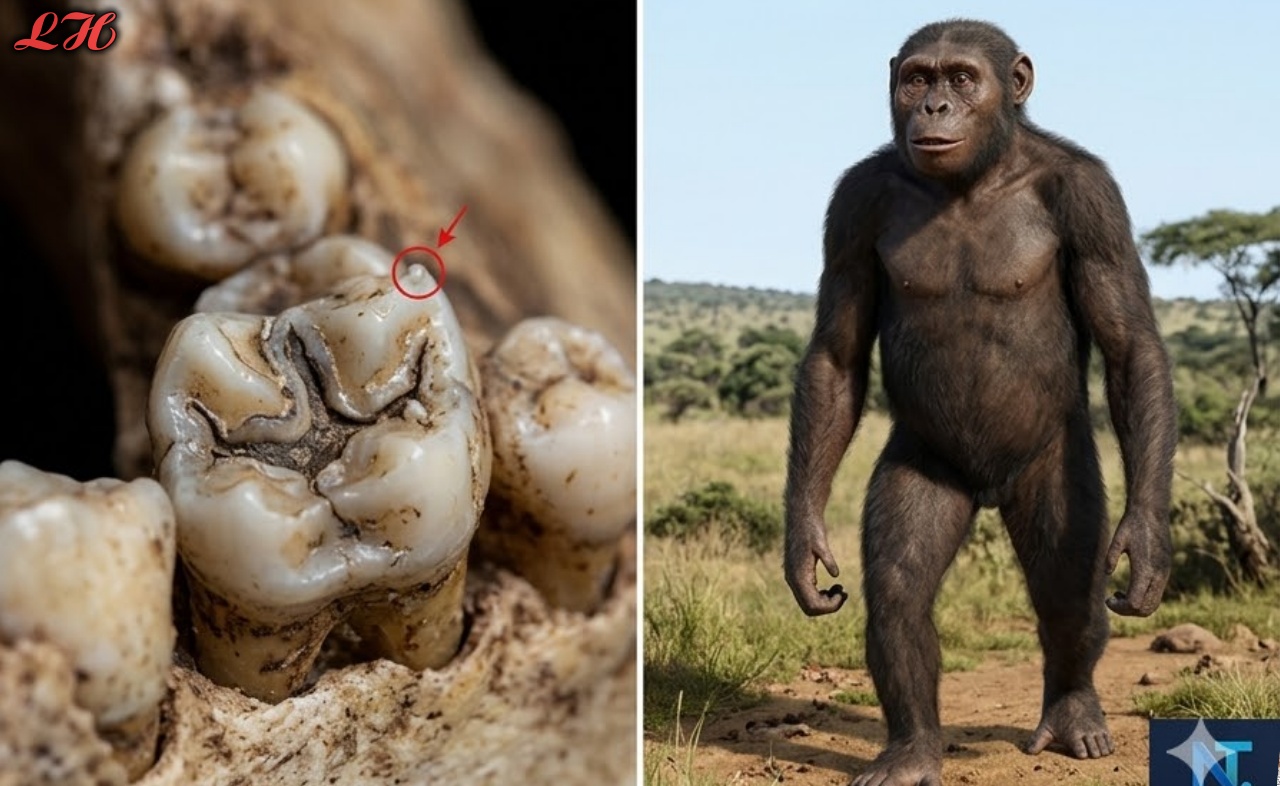
The study emphasizes that A. prometheus may only be a junior synonym of A. africanus, and Little Foot represents a separate clade. This reinforces the “branching shrub” rather than linear model in human evolution, suggesting that multiple hominin species coexisted in South Africa more than 3.6 million years ago.
As of June 2026, the debate continues. Some researchers still support Clarke’s view, but Martin’s research has forced the scientific community to reconsider the classification. A new digital dial reconstruction (March 2026) has also been released, providing further information about the cranial structure.
Little Foot continues to be one of the most important fossils in human history, reminding us that the story of human origin is far more complex and diverse than what has been taught in textbooks. Further excavations and analyses at Sterkfontein promise to yield more surprises.