Mary Celeste: The Ghost Ship Where the Entire Crew Vanished, Yet a Meal Remained on the Table – Curse, Pirates, or Something Far More Ordinary?lh
Mary Celeste: The Ghost Ship Where the Entire Crew Vanished, Yet a Meal Remained on the Table – Curse, Pirates, or Something Far More Ordinary?
On December 5, 1872, the Canadian-built brigantine Mary Celeste was discovered adrift in the Atlantic Ocean, roughly 400 nautical miles east of the Azores. The ship that would become the world’s most famous “ghost ship” had sailed from New York on November 7, bound for Genoa with a cargo of 1,701 barrels of denatured alcohol. Aboard were Captain Benjamin Spooner Briggs, his wife Sarah, their two-year-old daughter Sophia, and seven experienced crew members. None of them were ever seen again.
The vessel that found her, the Dei Gratia, sent a boarding party across. They discovered a ship that was perfectly seaworthy yet eerily deserted. Sails were partially set and in poor condition, the lifeboat was missing, and the ship’s papers—except for the logbook—had vanished along with the captain’s navigational instruments. The last entry in the log, dated 8 a.m. on November 25, placed the ship six miles off Santa Maria in the Azores. No distress signals, no signs of violence or struggle, and no bloodstains marred the decks.
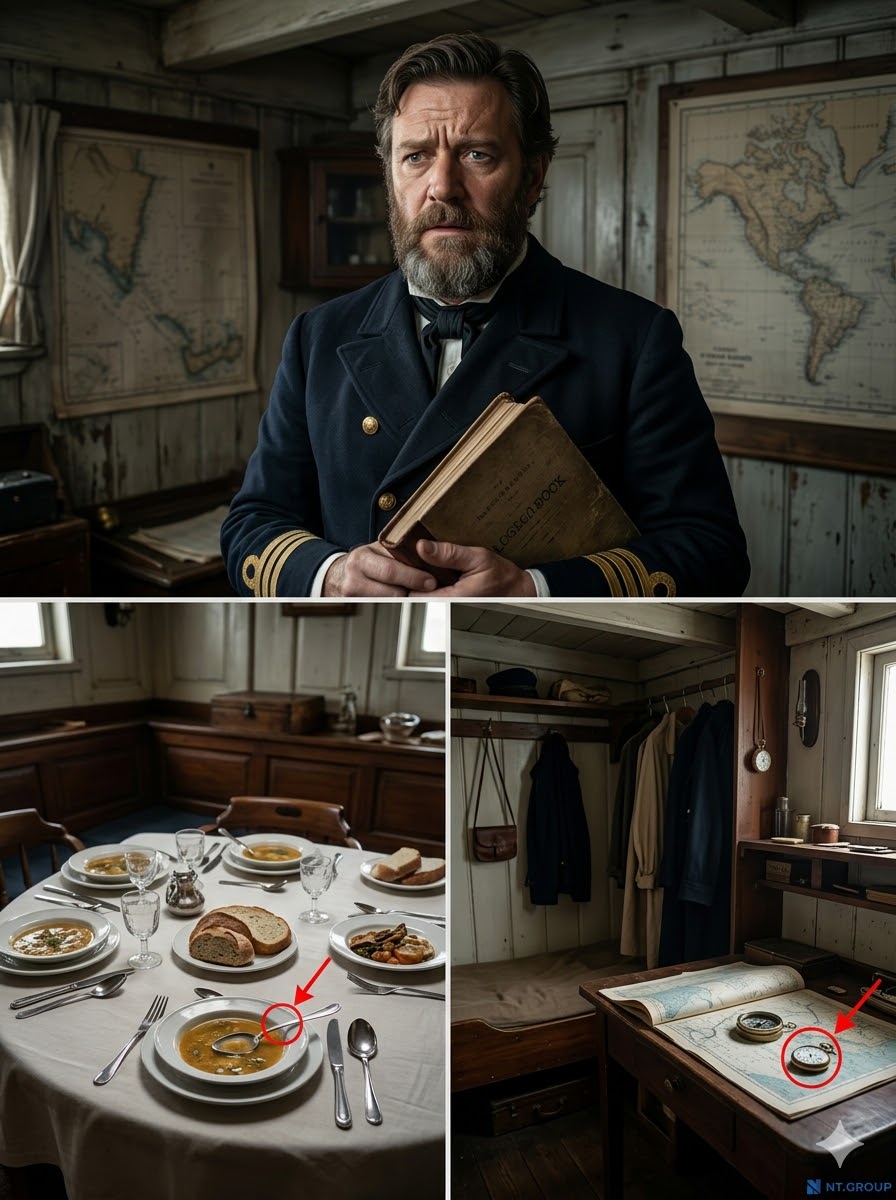
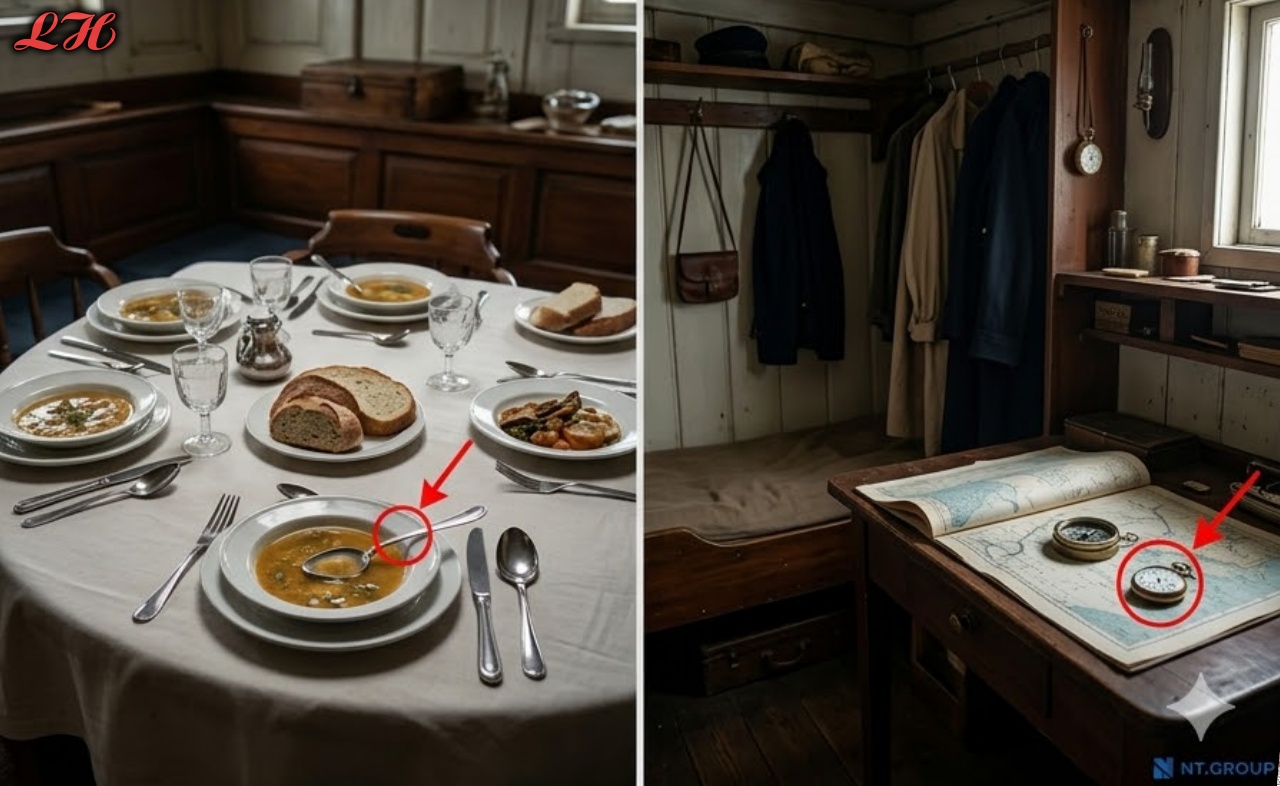
Most haunting were the domestic details: the crew’s personal belongings remained untouched, including the captain’s sheathed sword under his bed. Food and water supplies for six months were intact. Contemporary accounts and later retellings describe a partially eaten meal still on the table in the cabin—plates, utensils, and food left mid-bite—suggesting the crew abandoned ship in sudden haste.
Theories have multiplied for more than 150 years. Early speculation pointed to mutiny or pirate attack, but valuables were untouched and the ship showed no battle damage. Some blamed alcohol fumes leaking from the cargo, creating a risk of explosion that forced everyone into the lifeboat—only for the rope to snap or a storm to overwhelm them. Others invoked a waterspout, submarine earthquake, or even a giant squid. The ship’s later history added a “curse” angle: three captains died prematurely, and in 1884 she was deliberately wrecked for insurance fraud.
Yet the simplest explanation remains the most compelling: a combination of bad weather, a leaking pump, and rising water in the hold prompted an orderly but fatal evacuation into the missing lifeboat. No bodies, no wreckage, and no survivors were ever found. The Mary Celeste sailed on for another 12 years before being scuttled, but her ten missing souls continue to haunt maritime history as the ultimate unsolved riddle of the high seas.