Tylosaurus rex: The 13-Metre “Sea T. rex” That Ruled the Late Cretaceous Oceans.lh
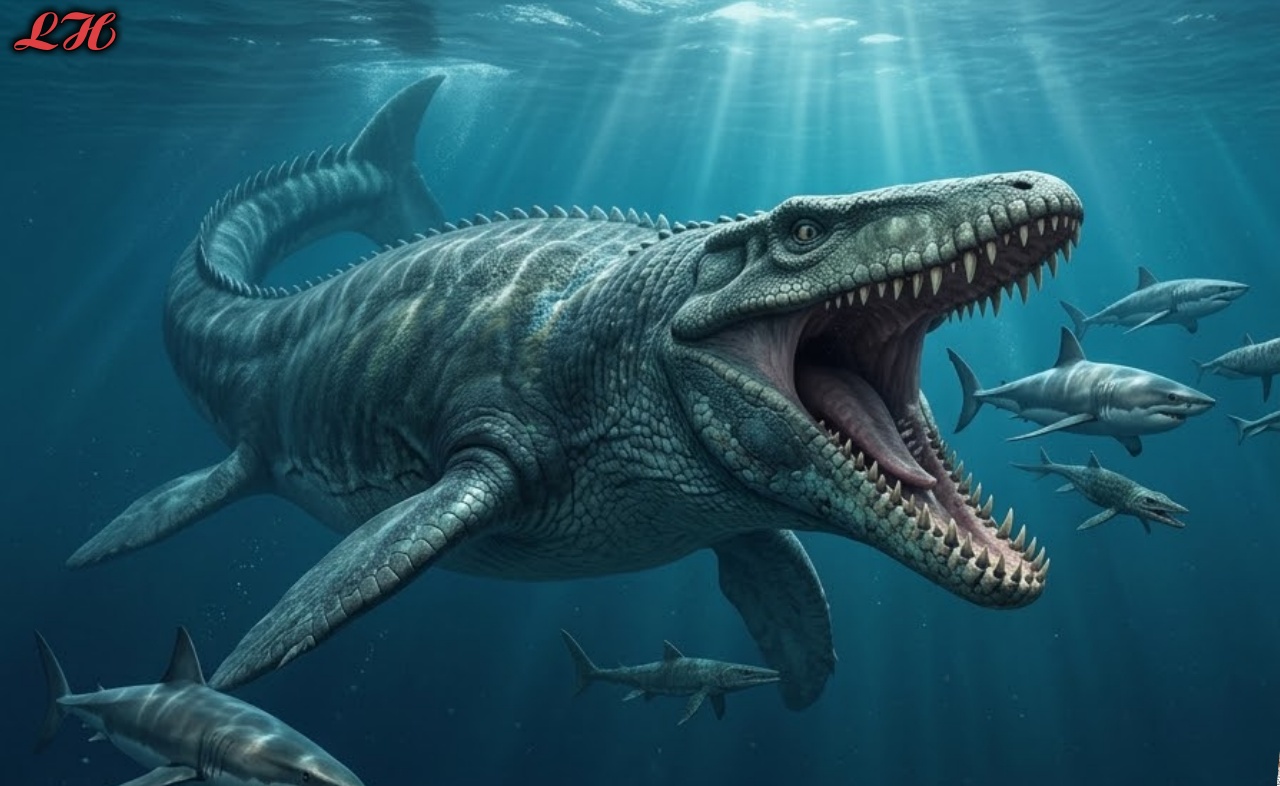
Tylosaurus rex: The 13-Metre “Sea T. rex” That Ruled the Late Cretaceous Oceans
In a landmark May 2026 Bulletin of the American Museum of Natural History paper, paleontologists have formally described Tylosaurus rex — a colossal new mosasaur species that dominated the Western Interior Seaway of North America 80 million years ago. Reaching lengths of up to 13.1 metres (43 feet), this apex predator is one of the largest mosasaurs ever documented and has earned the nickname “T. rex of the seas.”
Led by Amelia Zietlow (AMNH), the team re-examined dozens of fossils long housed in museum collections, many previously lumped with T. proriger. Detailed morphological analysis revealed consistent differences in skull architecture, jaw musculature, vertebral proportions, and serrated teeth that cannot be explained by growth stage. The new species possessed reinforced jaw and neck muscles and a bite force estimated to exceed that of any other tylosaurine.
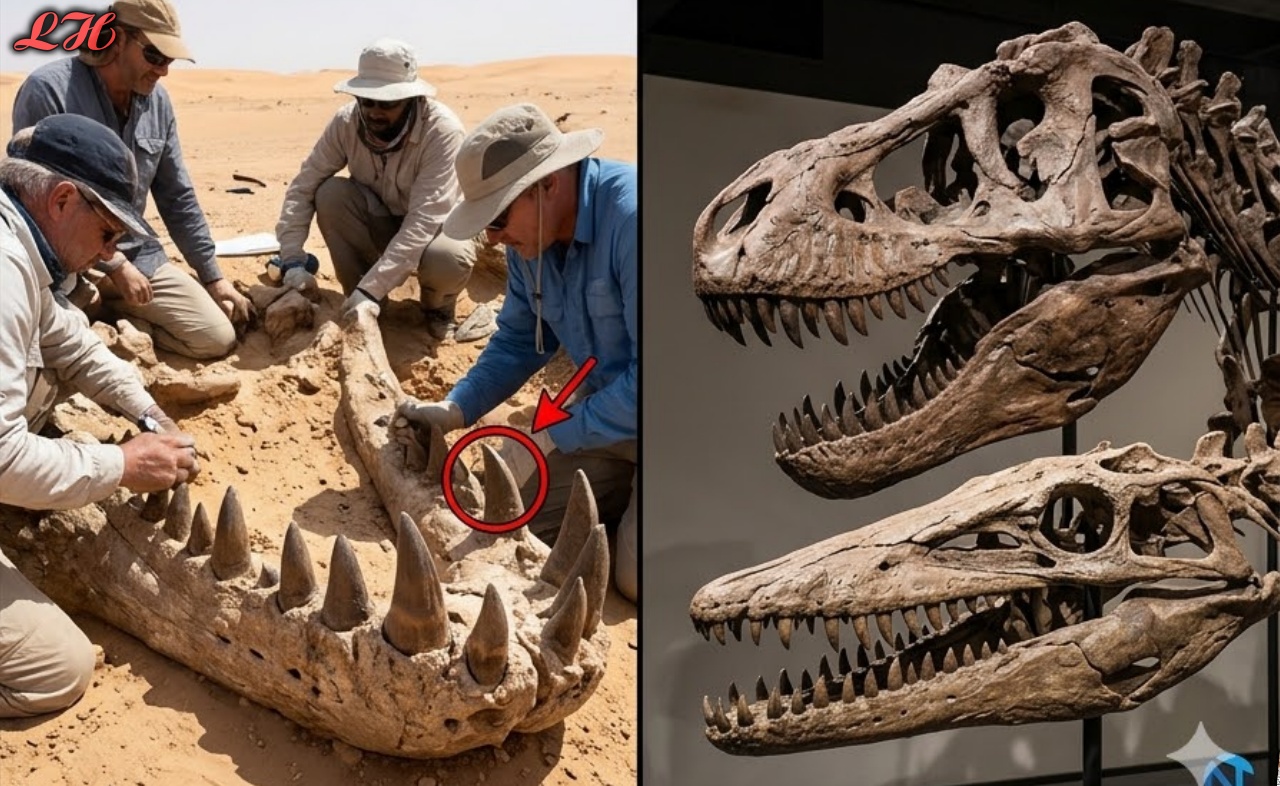
The holotype comes from northern Texas. Body-size estimates range from 7.7 to 13.2 metres, consistently larger than the biggest T. proriger specimens. “This is the king of the tylosaurs,” Zietlow stated. “At over 13 metres, it dwarfed most contemporaries and dominated the marine food web alongside sharks, plesiosaurs, and giant fish.”
The discovery underscores that tylosaurines were the first mosasaur clade to achieve true gigantism and forces a re-evaluation of Late Cretaceous marine predator guilds. After decades misfiled as a single species, Tylosaurus rex has emerged as a distinct, fearsome ruler of the ancient seas — proving that the oceans had their own tyrant king long before the dinosaur T. rex roamed the land.