773,000-Year-Old Moroccan Hominin Fossils Reveal the Last Common Ancestor of Homo sapiens, Neanderthals, and Denisovans.lh
773,000-Year-Old Moroccan Hominin Fossils Reveal the Last Common Ancestor of Homo sapiens, Neanderthals, and Denisovans
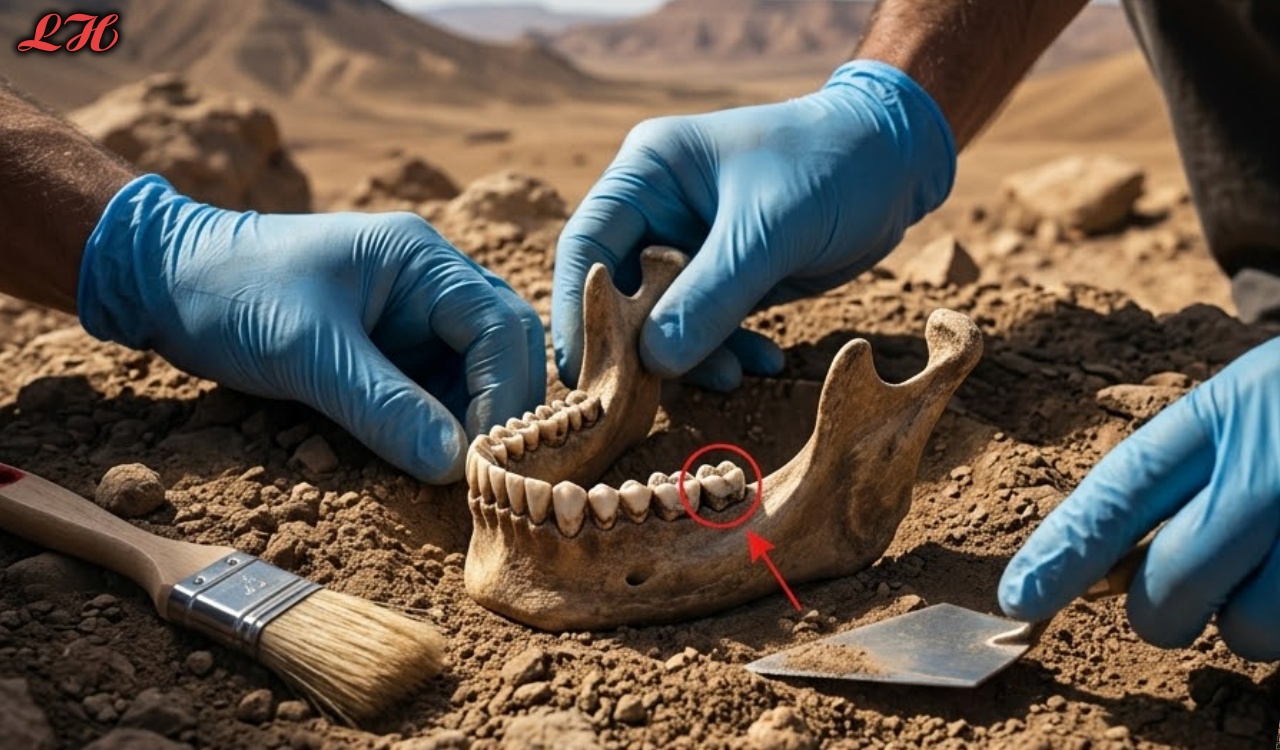
In a landmark Nature paper published January 2026, an international team led by Jean-Jacques Hublin has unveiled the oldest securely dated hominin fossils from North Africa—three partial mandibles (including one from a child), teeth, vertebrae, and a femur fragment from Thomas Quarry I, Casablanca, Morocco. High-resolution magnetostratigraphy ties them precisely to the Matuyama-Brunhes geomagnetic reversal, yielding an age of 773,000 ± 4,000 years ago.
This places the specimens squarely inside the genetic window (765–550 ka) estimated for the last common ancestor (LCA) of Homo sapiens, Neanderthals, and Denisovans. Morphologically, they blend Homo erectus-like archaic traits with emerging Middle Pleistocene features, positioning them as a distinct African lineage near the root of the sapiens-Neanderthal-Denisovan clade—distinct from their European contemporary, Homo antecessor.
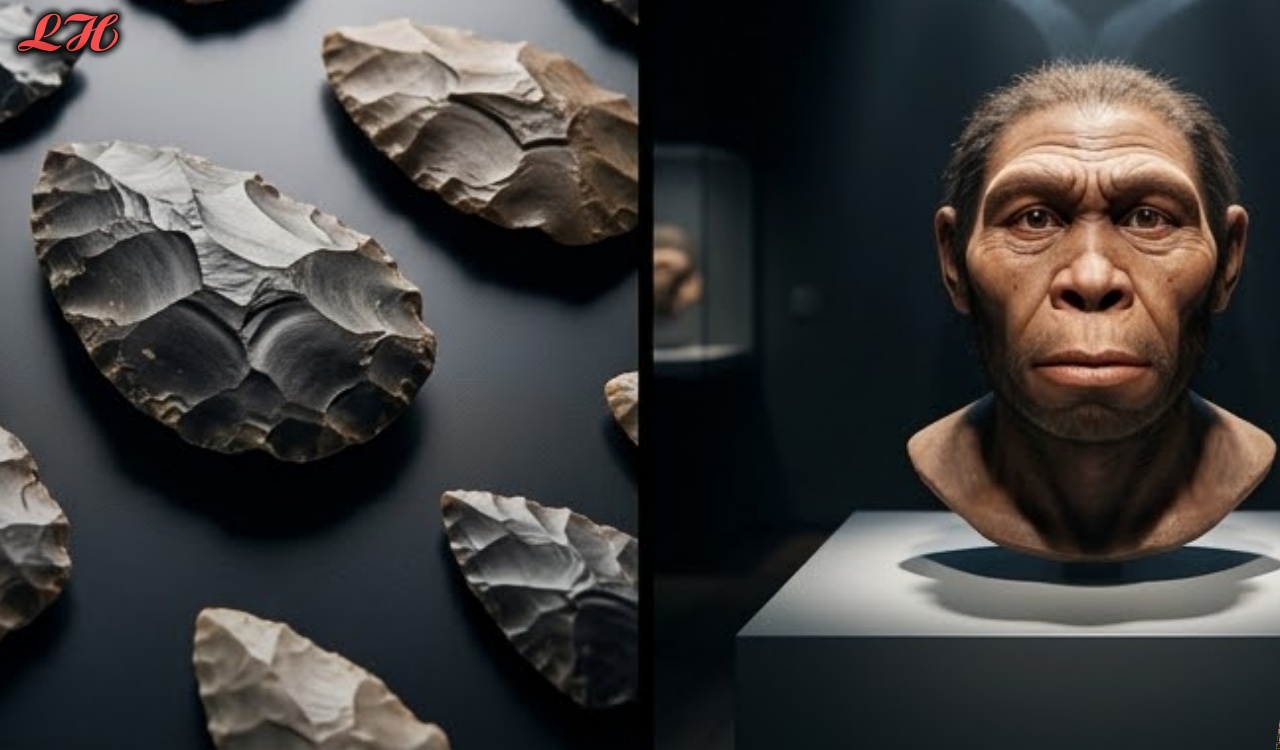
“This fossil offers essential clues about the last common ancestor and reinforces a deep African origin for our species,” Hublin stated. The discovery fills a critical gap in the African record and overturns Eurasian-centric models that placed the LCA later or farther north. While not yet proven as “the” LCA without ancient DNA, these remains are currently the strongest chronological and morphological match.
The Thomas Quarry hominins push the African “cradle” narrative back nearly half a million years and highlight how little we still know about early Homo diversity. The “cradle of humanity” just gained 473,000 more years of depth in northwest Africa—placing the deepest roots of our species firmly on the continent during the Middle Pleistocene.