Ethiopia Flips the Textbook: New Australopithecus Species Coexisted with Early Homo 2.6–2.8 Million Years Ago.lh
Ethiopia Flips the Textbook: New Australopithecus Species Coexisted with Early Homo 2.6–2.8 Million Years Ago
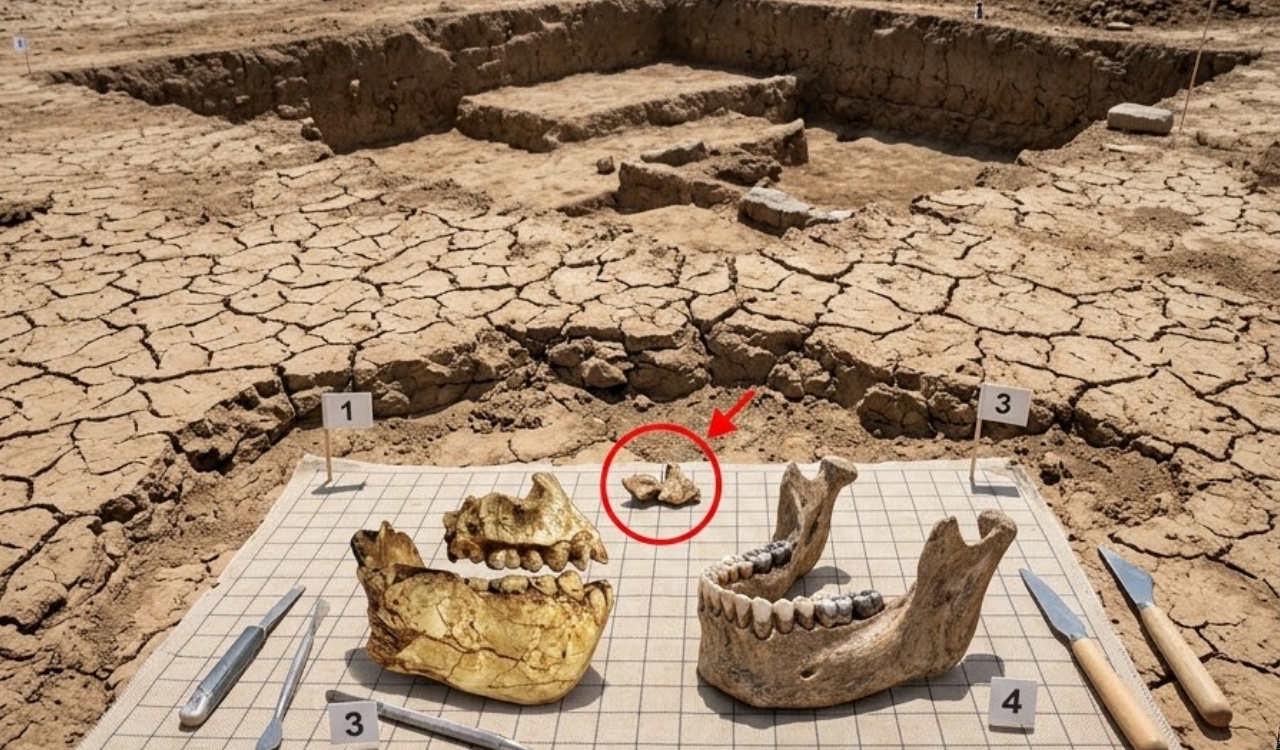
A landmark Nature study published in August 2025 has shattered the tidy “ape-to-human” narrative. At Ethiopia’s Ledi-Geraru site in the Afar region, an international team led by Brian Villmoare (UNLV/ASU) uncovered 13 fossil teeth proving that a previously unknown Australopithecus species lived side-by-side with the earliest members of our own genus, Homo, between 2.59 and 2.78 million years ago.
The site was already famous for the 2.8-million-year-old LD 350-1 jaw—the oldest known Homo specimen. New finds extend Homo presence to 2.59 Ma while revealing ten teeth of a distinct Australopithecus at 2.63 Ma. Dental morphology differs markedly from both A. afarensis (“Lucy”) and A. garhi, pointing to an undescribed species.
Dating comes from volcanic ash layers sandwiching the fossils, placing them squarely in the critical window when Homo is thought to have emerged. “These specimens suggest that Australopithecus and early Homo co-existed as two non-robust lineages… the hominin fossil record is more diverse than previously known,” the authors state.
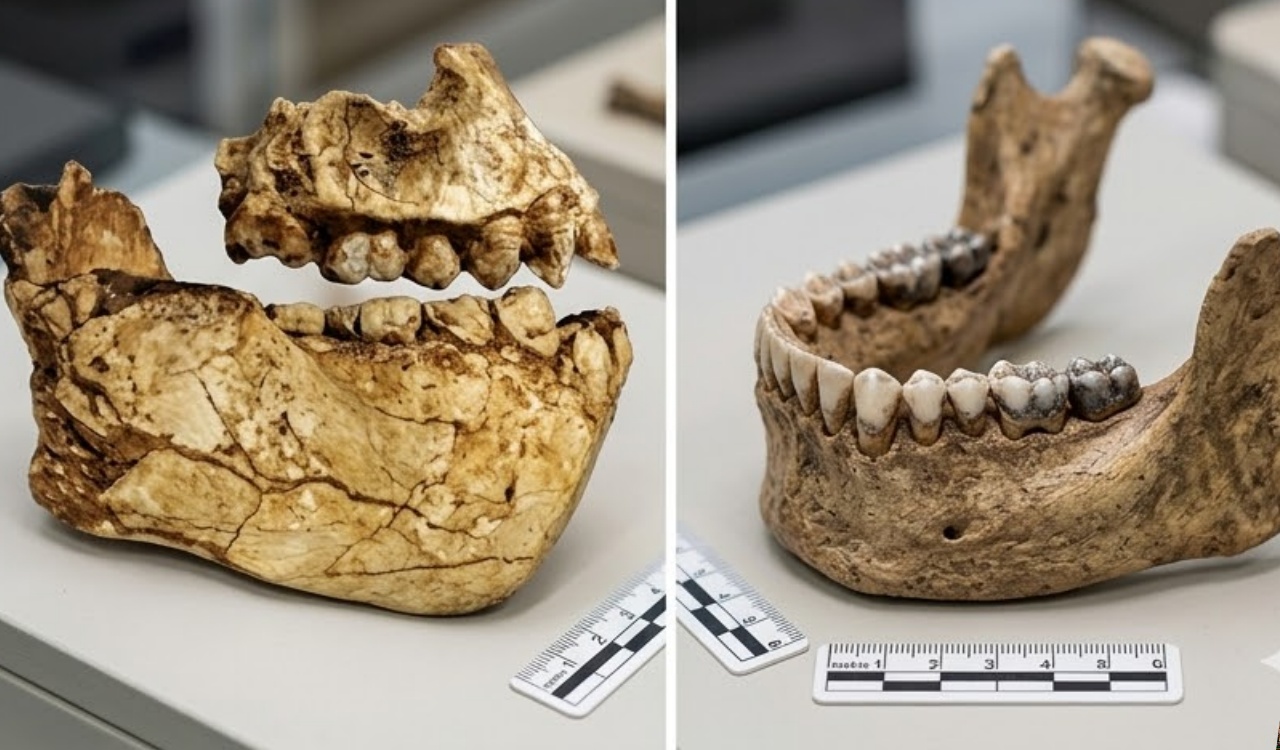
The discovery implies up to four hominin lineages in eastern Africa between 3.0–2.5 Ma, painting evolution as a crowded, branching bush rather than a straight line. Stone tools from the same layers may link to Homo, but both species shared the landscape, likely with different diets and niches.
“This confirms the antiquity of our lineage and shows the transition was far messier,” noted co-author Kaye Reed. The Ledi-Geraru teeth rewrite the textbook: Australopithecus didn’t simply vanish when Homo appeared—they overlapped for hundreds of thousands of years. Human origins just got a lot more complicated—and fascinating.