💔 The Search That Turned Into Tragedy: The Case of 4-Year-Old Darnell Gray
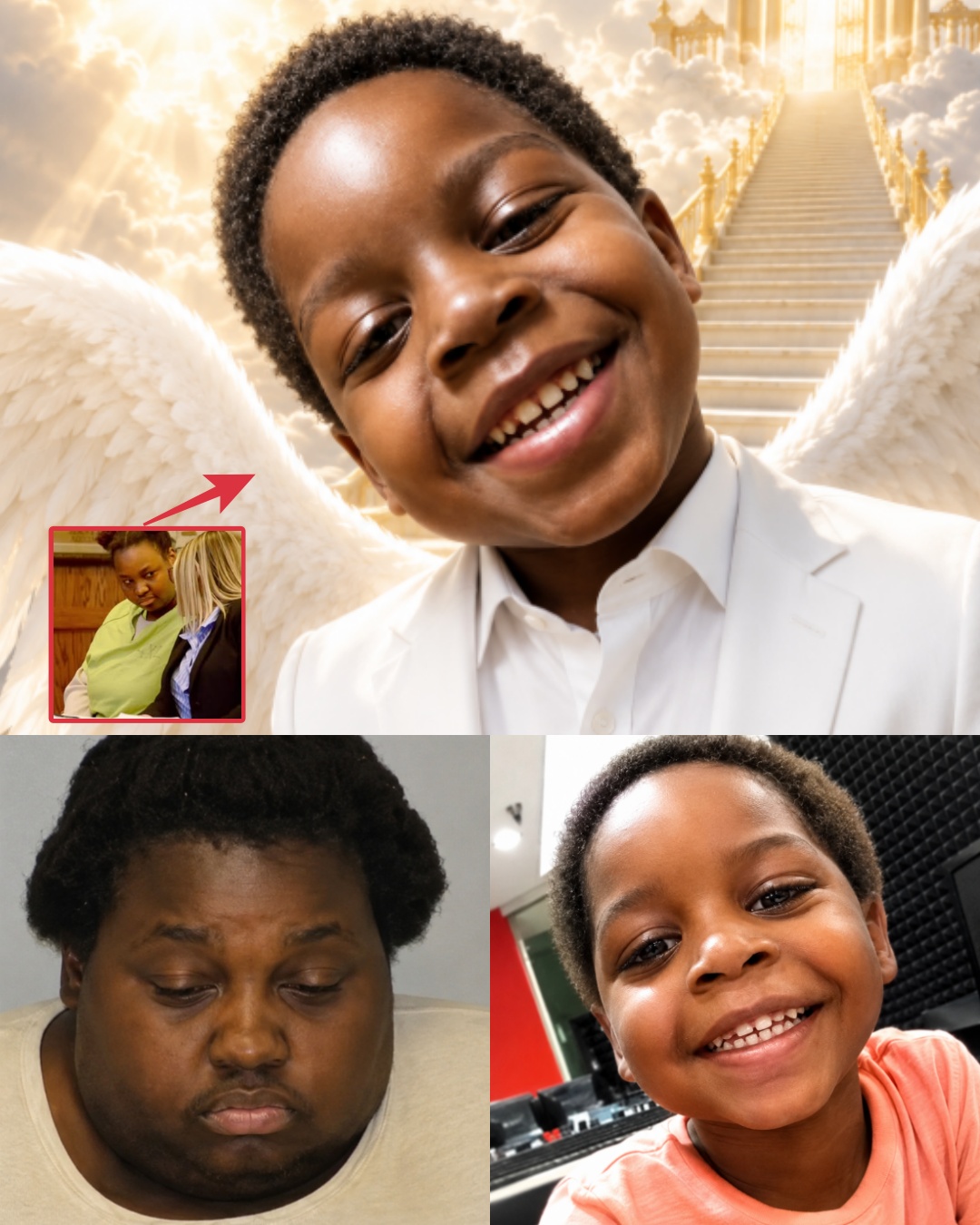
💔 The Search That Turned Into Tragedy: The Case of 4-Year-Old Darnell Gray
What began as a desperate search for a missing child in Missouri ultimately became one of the most heartbreaking cases the community had ever faced—one marked by shock, grief, and a painful sense of betrayal that still lingers years later.
In 2018, 4-year-old Darnell Gray was reported missing from a home where he had been staying under the care of a babysitter, Quatavia Givens. According to initial statements given to authorities, the child had somehow disappeared during the night without explanation. The claim immediately triggered concern and an urgent response from law enforcement.
 As news of the missing boy spread, the local community rallied together. Volunteers joined police in searching neighborhoods, wooded areas, and surrounding properties. Flyers were distributed, and social media campaigns quickly gained traction, all centered around the hope that Darnell would be found safe.
 During those critical days, Givens actively participated in the search efforts. She spoke with volunteers, provided details about the child’s last known movements, and contributed to the public narrative of a sudden and unexplained disappearance. Her involvement initially appeared to reflect the urgency and distress of someone desperate to find a missing child.
 However, five days later, that hope was shattered when investigators discovered Darnell’s remains. The discovery brought the search to a tragic end and shifted the investigation in a dramatically different direction.
Authorities began closely re-examining the circumstances surrounding the child’s disappearance. As inconsistencies emerged, suspicion turned toward those who had been present in the home. The case slowly transitioned from a missing child investigation into a criminal homicide inquiry.
Over time, prosecutors built their case, relying on forensic evidence, witness statements, and investigative findings that contradicted the original account. Nearly seven years after Darnell’s death, Quatavia Givens ultimately pleaded guilty to second-degree murder and additional charges connected to the case.
Her sentencing marked the conclusion of a long legal process, but it did little to ease the pain felt by those who followed the case from the beginning. For many, the most disturbing aspect remains the contrast between the public search for answers and the private reality that investigators later uncovered.
The image of a caregiver joining a community-wide effort to find a missing child now stands as one of the most haunting elements of the case. It is a detail that continues to raise difficult questions about trust, deception, and how tragedy can unfold in places where safety is ᴀssumed.
For Darnell’s family, the years since his death have been marked by grief and reflection on the life he never had the chance to live. For the community, it remains a painful reminder of how quickly hope can turn into heartbreak.
Even now, the name Darnell Gray continues to resonate as a symbol of a search that ended not in reunion, but in irreversible loss.