🌑 Why the Mariana Trench Remains So Difficult to Explore
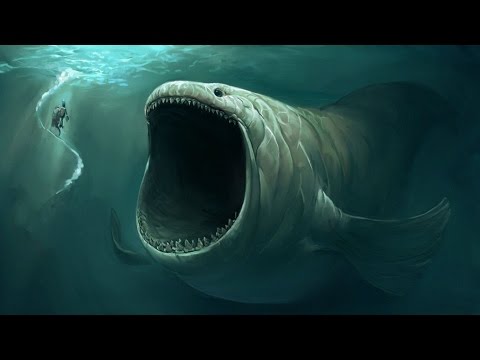
Hidden deep beneath the Pacific Ocean, the Mariana Trench is one of the most extreme environments on Earth Reaching depths of nearly 11 kilometers, the trench is so hostile that only a handful of humans have ever visited its deepest point, known as Challenger Deep.
The greatest challenge facing explorers is the immense water pressure. At the bottom of the trench, the pressure is more than 1,000 times greater than at sea level Enough to crush ordinary submarines instantly. Every expedition requires specially engineered submersibles built with reinforced materials capable of surviving conditions that would destroy conventional equipment.
Darkness is another major obstacle. Sunlight cannot penetrate to such depths, leaving the ocean floor in permanent blackness. Combined with near-freezing temperatures and extremely difficult communication conditions, this makes navigation and exploration incredibly complex
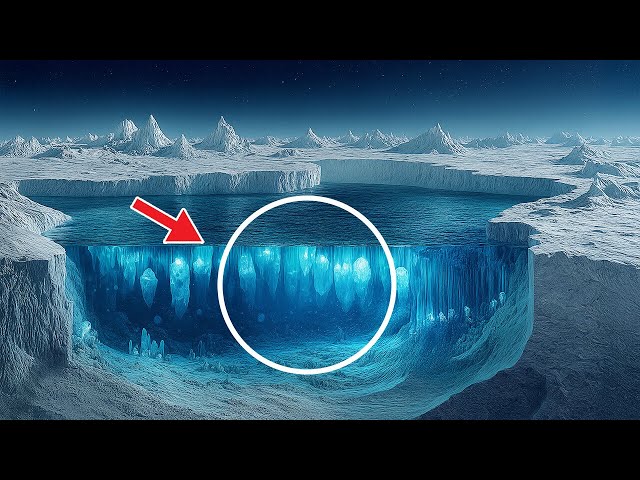
Modern scientific missions rely heavily on robotic systems, deep-sea drones, and advanced sonar mapping technology. These tools allow researchers to study geological formations, strange deep-sea organisms, and underwater ecosystems without placing human crews at constant risk.
Scientists continue to emphasize that the Mariana Trench is not restricted or secretly “off-limits.” There is also no verified evidence of sea monsters, alien structures, or supernatural phenomena hidden within the trench Most challenges ᴀssociated with exploration come from engineering limitations and the extreme physical environment itself.
Even today, large portions of Earth’s deep oceans remain unexplored. In some ways, scientists know more about the surface of the Moon than the deepest parts of our own planet The Mariana Trench continues to remind humanity how much of Earth still remains hidden beneath the sea.