The Surgeon’s Photograph: The Hoax That Fooled the World for 60 Years
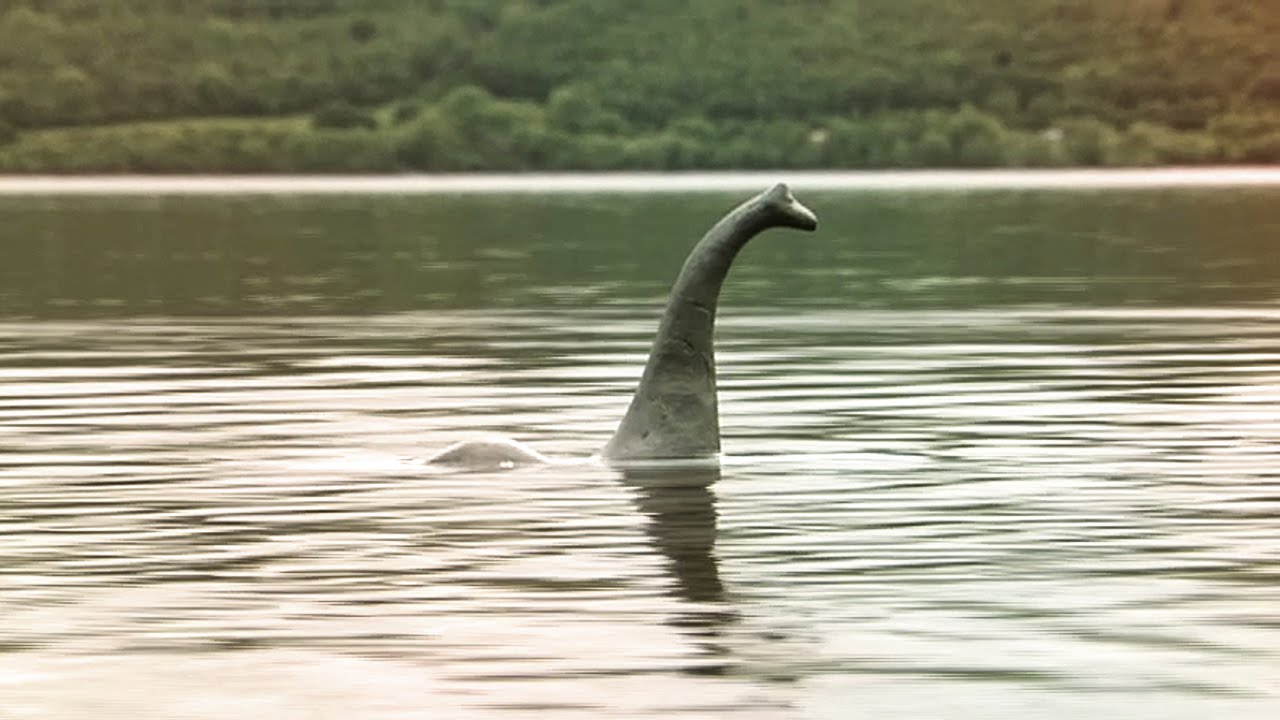
The Surgeon’s Photograph: The Hoax That Fooled the World for 60 Years
On this day in 1934, the world was given what seemed like undeniable proof that the legendary Loch Ness Monster was real. It came in the form of a photograph—an image so clear, so definitive, that for millions of people, it solidified the idea that Nessie truly existed.
The photograph appeared in the Daily Mail, credited to a well-respected London surgeon, Dr. Robert Kenneth Wilson. It showed what appeared to be a long, serpentine neck rising out of the dark, mysterious waters of Loch Ness, the creature’s form breaking the surface with a grace that seemed almost otherworldly. There was no blur, no guesswork. Just a creature, plain and clear, emerging from the depths of Scotland’s most famous loch.
The image was instantly dubbed the “Surgeon’s Photograph”, and for the next 60 years, it became the cornerstone of the Loch Ness legend. To many, this was it—the proof they had been waiting for.
From Rumor to Reality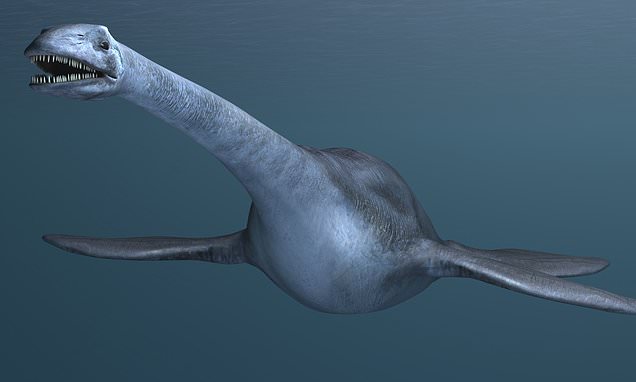
Before this photograph, Nessie was little more than a rumor. Locals spoke of strange sightings, shapes in the water, and eerie stories passed between Highlanders. But the “Surgeon’s Photograph” took it all to another level. Now, there was evidence. The Loch Ness Monster wasn’t just a myth—it was real.
The image spread like wildfire. Newspapers around the world printed it. Scientists debated its authenticity. And the public became utterly obsessed. People from all corners of the globe traveled to the Scottish Highlands, hoping to catch a glimpse of the creature they now believed to be lurking beneath the surface. Loch Ness transformed from a remote, quiet loch into a world-famous hotspot, all thanks to a single photograph.
For decades, the Surgeon’s Photograph stood as one of the most iconic and controversial images of the 20th century. It became synonymous with Nessie and defined the Loch Ness Monster legend for an entire generation.
The Shocking Reveal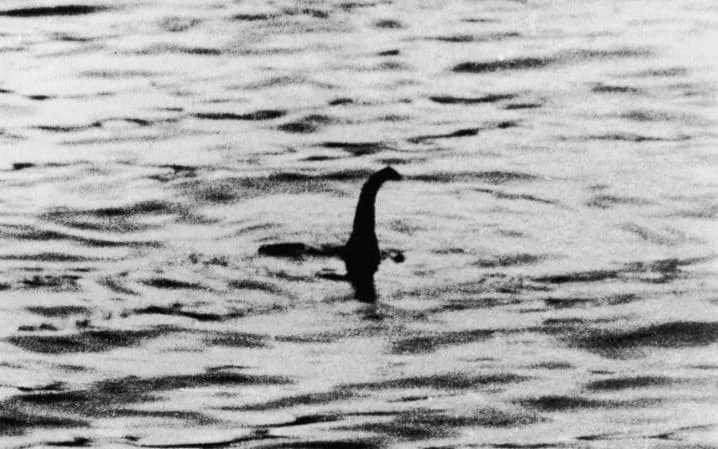
But in 1994, the truth finally came out. After 60 years of widespread belief, the world learned that the “Surgeon’s Photograph” was, in fact, an elaborate hoax.
The so-called “monster” was actually a small model, just a few feet long, mounted on a toy submarine. The mastermind behind this deception? A big-game hunter named Marmaduke Wetherell, who had orchestrated the entire hoax as an act of revenge.
It all began in 1933 when Wetherell was hired by the Daily Mail to investigate the Loch Ness Monster. He proudly claimed to have discovered footprints believed to belong to Nessie. But when experts analyzed the tracks, they determined they were fakes. The newspaper publicly humiliated Wetherell, and he was determined to get back at them.
So, in 1934, he built the fake “monster”—the model mounted on a toy submarine—and convinced Dr. Wilson, the trusted London surgeon, to lend his name to the photograph. Wilson, known for his fondness of practical jokes, was the perfect person to pull this off. With his reputable name attached to the image, the hoax was able to slip by without suspicion.
And it worked. The world believed it.
The Hoax That Strengthened the Legend
Even after the truth was exposed, the legend of Nessie didn’t fade away. In fact, if anything, the revelation that one photograph could fool the entire world for decades only strengthened the myth.
It left people wondering: If one hoax could so convincingly deceive millions, perhaps there was still something to the Loch Ness mystery. Maybe, just maybe, something truly does exist beneath the surface, hidden in the dark waters of Loch Ness, waiting to be discovered.
The “Surgeon’s Photograph” might have been a hoax, but the legend of the Loch Ness Monster continues to thrive—because sometimes, the power of a good story is stronger than the truth.