Living with Arthrogryposis and Motherhood: Sheree Psaila’s Medical and Life Journey
- SaoMai
- April 22, 2026
Living with Arthrogryposis and Motherhood: Sheree Psaila’s Medical and Life Journey
This story describes Sheree Psaila, who lives with arthrogryposis multiplex congenita, a rare condition characterized by joint contractures and limited muscle development present at birth. The condition can vary in severity, often affecting mobility and requiring long-term medical management.
Individuals with severe forms of arthrogryposis may undergo multiple orthopedic surgeries throughout childhood and adolescence. These procedures can include joint release surgeries, tendon transfers, and corrective interventions aimed at improving mobility and function.
Despite physical limitations, many individuals with this condition lead full and independent lives with the support of medical care, adaptive equipment, and rehabilitation therapy.
In Sheree’s case, she has reportedly undergone more than 20 surgeries, reflecting the complex and ongoing nature of managing severe musculoskeletal conditions over time.
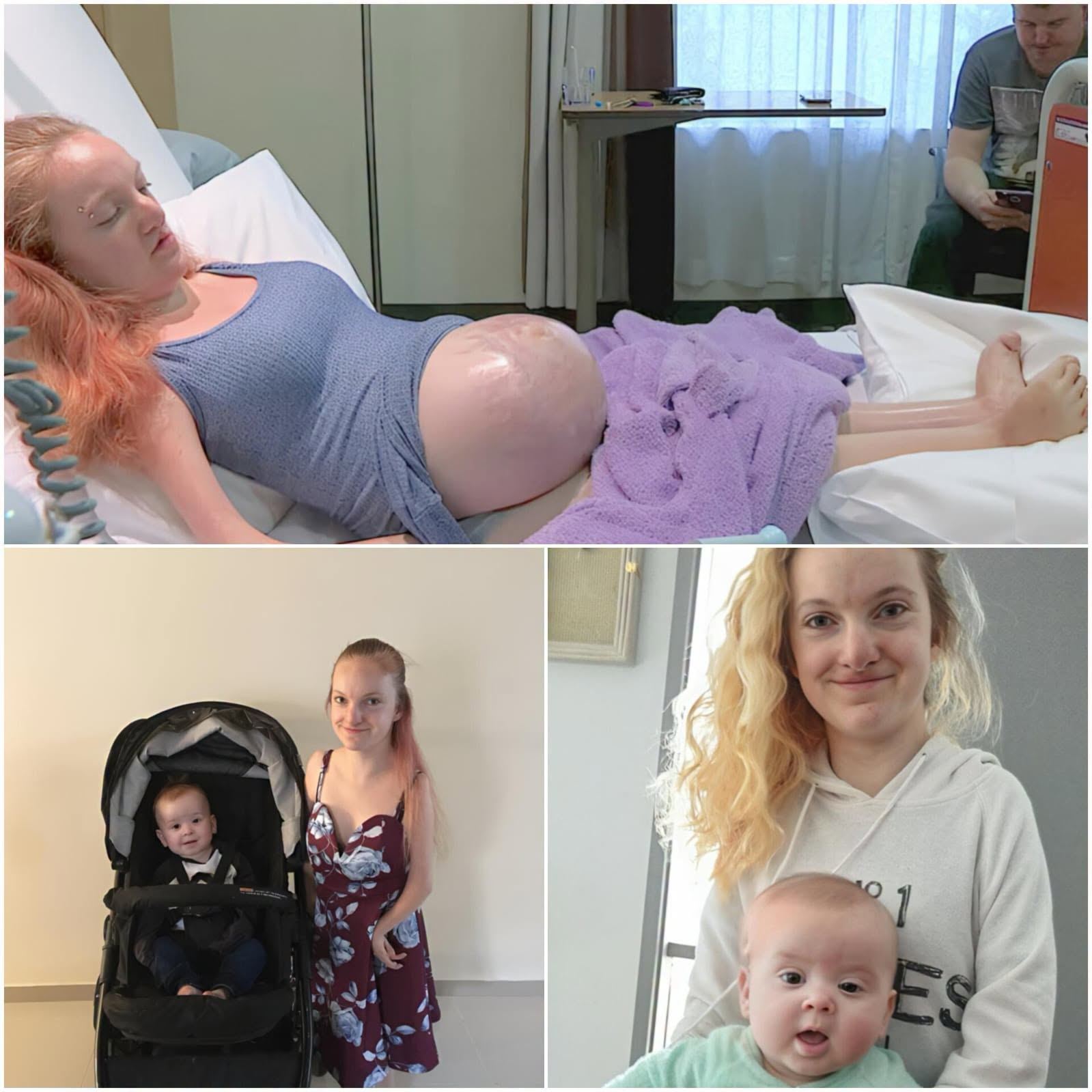
 Her experience transitioning into motherhood at age 22 represents a significant life milestone. Pregnancy in individuals with physical disabilities often requires multidisciplinary prenatal care to monitor both maternal and fetal health, including obstetric specialists and physical therapy support.
Her child, born at 36 weeks gestation, is described as healthy, which falls within the late preterm to early term range, where outcomes are generally favorable with appropriate neonatal care.
Motherhood for individuals with physical disabilities can involve unique challenges, including mobility considerations, caregiving adaptations, and support systems. However, many parents with disabilities successfully raise children with appropriate accommodations and assistance.
Psychologically, transitioning into parenthood after a life involving chronic medical care can also bring a strong sense of fulfillment, identity expansion, and emotional resilience.
This case highlights both the medical realities of living with a rare musculoskeletal condition and the broader human experience of building a family while managing lifelong physical challenges.