LAST CHANCE FOR “TIMMY” — HOPE… OR A HIGH-RISK GAMBLE?
LAST CHANCE FOR “TIMMY” — HOPE… OR A HIGH-RISK GAMBLE?
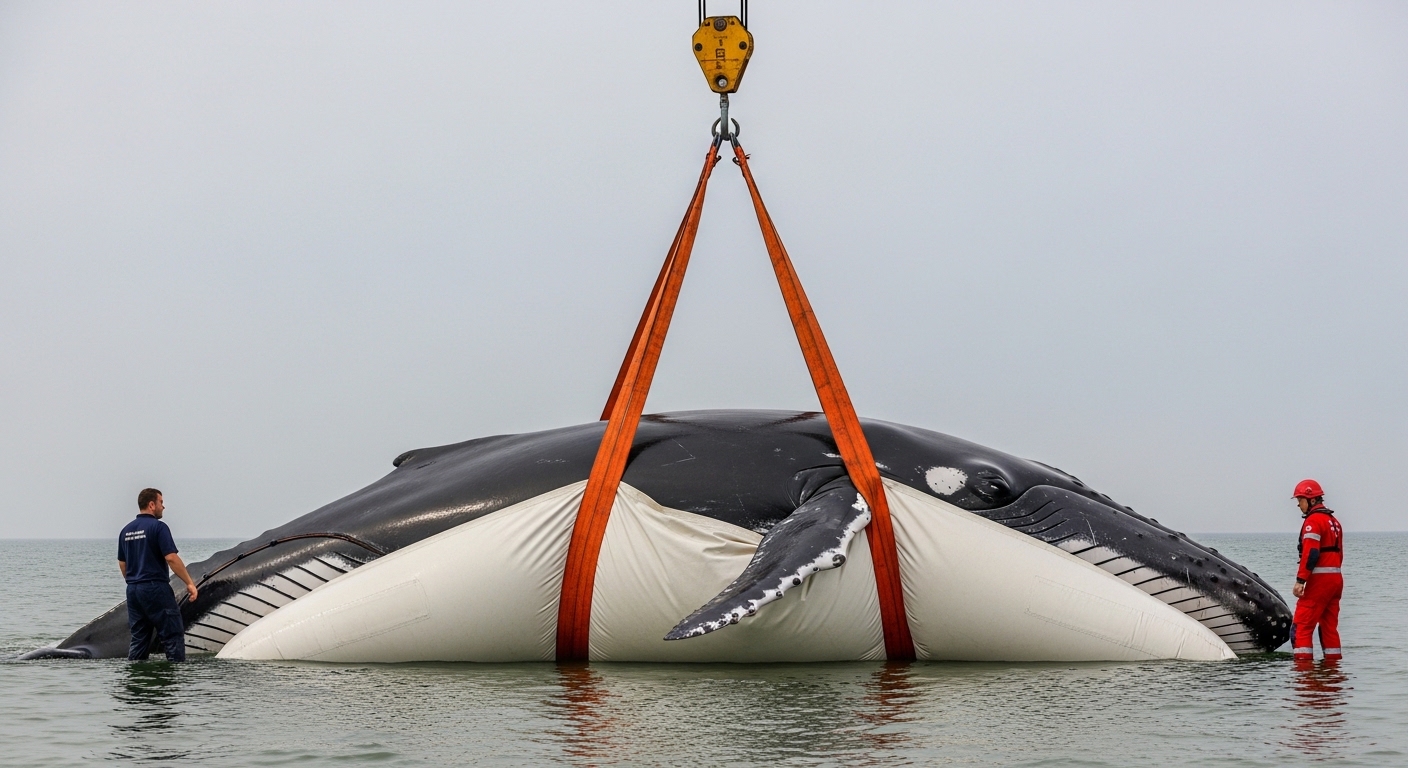
Rescuers are preparing to attempt a daring, high-risk rescue of Timmy, the stranded humpback whale, using giant airbags to lift him out of the shallow waters and tow him back to deeper seas. This method, considered the gentlest possible option, is designed to avoid crushing Timmy’s massive body. With a whale weighing 12-15 tons, ropes or straps could cause severe internal injuries, so the airbags are being used to distribute the whale’s weight more evenly.
However, veterinarians are sounding alarms about the serious risks involved, particularly the potential for crush syndrome. After being stranded for days, Timmy’s damaged muscles have been under immense stress. When he’s lifted, these muscles could release toxins into his bloodstream, which could lead to acute kidney failure within 24–48 hours, even if the rescue is technically successful.
Exhaustion is another major concern. Humpback whales must actively surface to breathe, and after days of being weakened by the stress of being trapped, Timmy may no longer have the strength to swim, fight the waves, or even keep himself afloat. His body could be too exhausted to survive the journey back to the open ocean, even with the best efforts from the rescue team.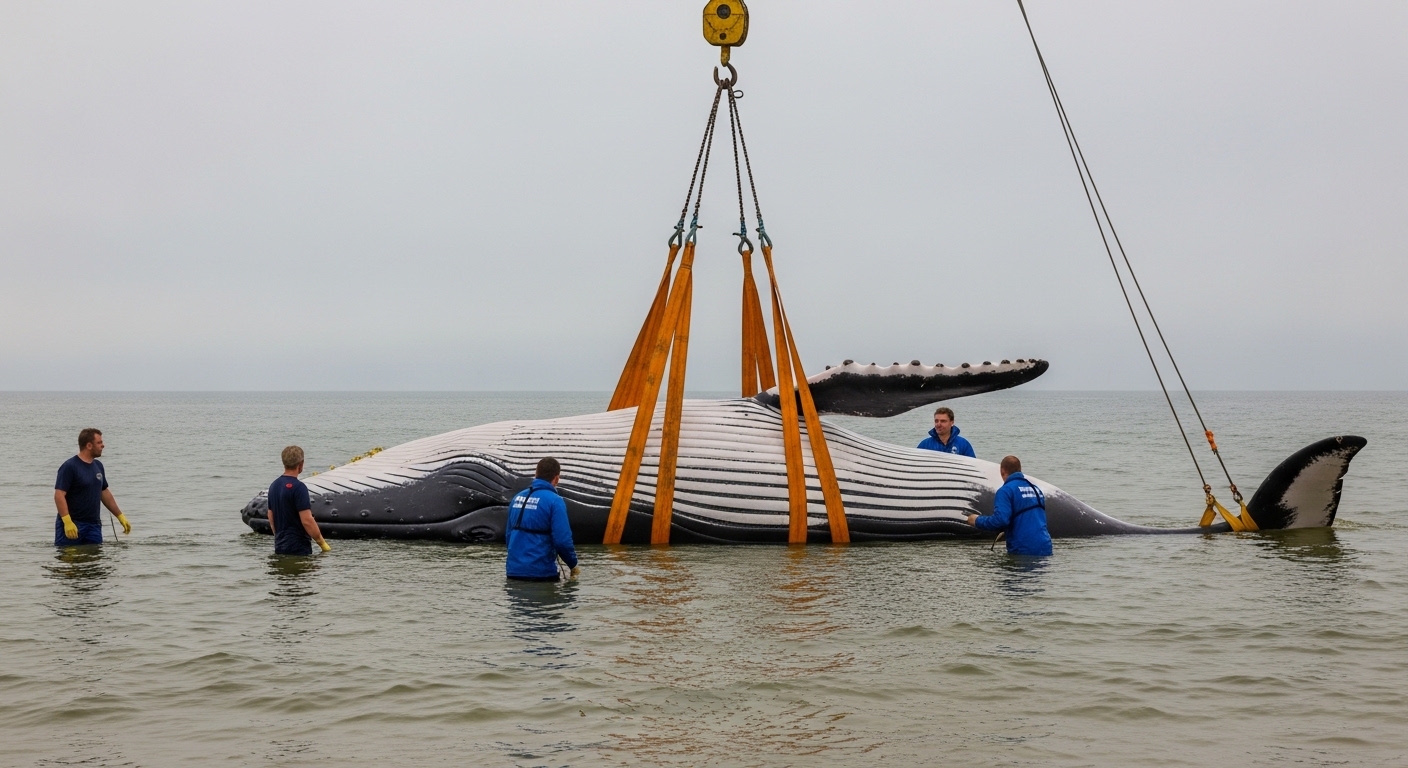
But there’s yet another unanswered question: Why did Timmy strand in the first place? If the stranding was caused by an illness, disorientation, or potential damage to his inner ear, the same issue may still exist, even in deep water. Timmy could be released back into the sea, only to face the same danger again.
While the airbag rescue is a remarkable and innovative effort, the operation is a race against time and biology. Will it be a miracle—a successful recovery for Timmy, or just a final, risky attempt at saving a whale whose fate is uncertain?
The world watches, holding its breath, as rescuers prepare for this monumental challenge.