LAST CHANCE FOR “TIMMY” — HOPE OR PROLONGED SUFFERING?
LAST CHANCE FOR “TIMMY” — HOPE OR PROLONGED SUFFERING?
A desperate race against time is unfolding off the coast of Germany, as marine specialists and a team of private entrepreneurs prepare for one of the most complex animal rescue missions in history. The subject of this heroic effort? “Timmy,” a 13.5-meter humpback whale who has been stranded for weeks in shallow waters near the town of Wismar.
Timmy’s plight has captured the hearts and minds of people around the world. For days, attempts to free him have been unsuccessful. Police boats and excavators tried to move the whale back to the open sea, but with no success. As the whale’s condition worsened, experts found themselves in a race against time, faced with an agonizing question: Can they save Timmy, or is this just prolonging his suffering?
A High-Risk, Groundbreaking Plan 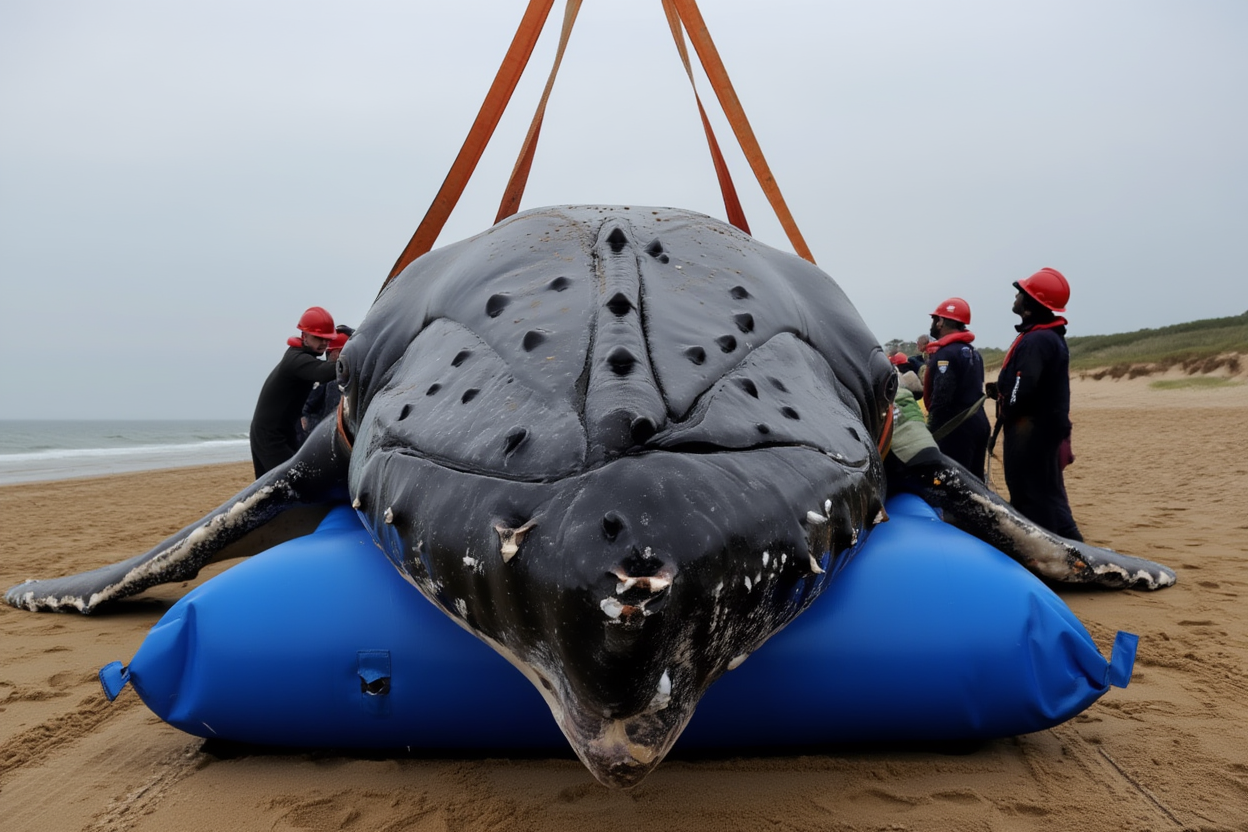
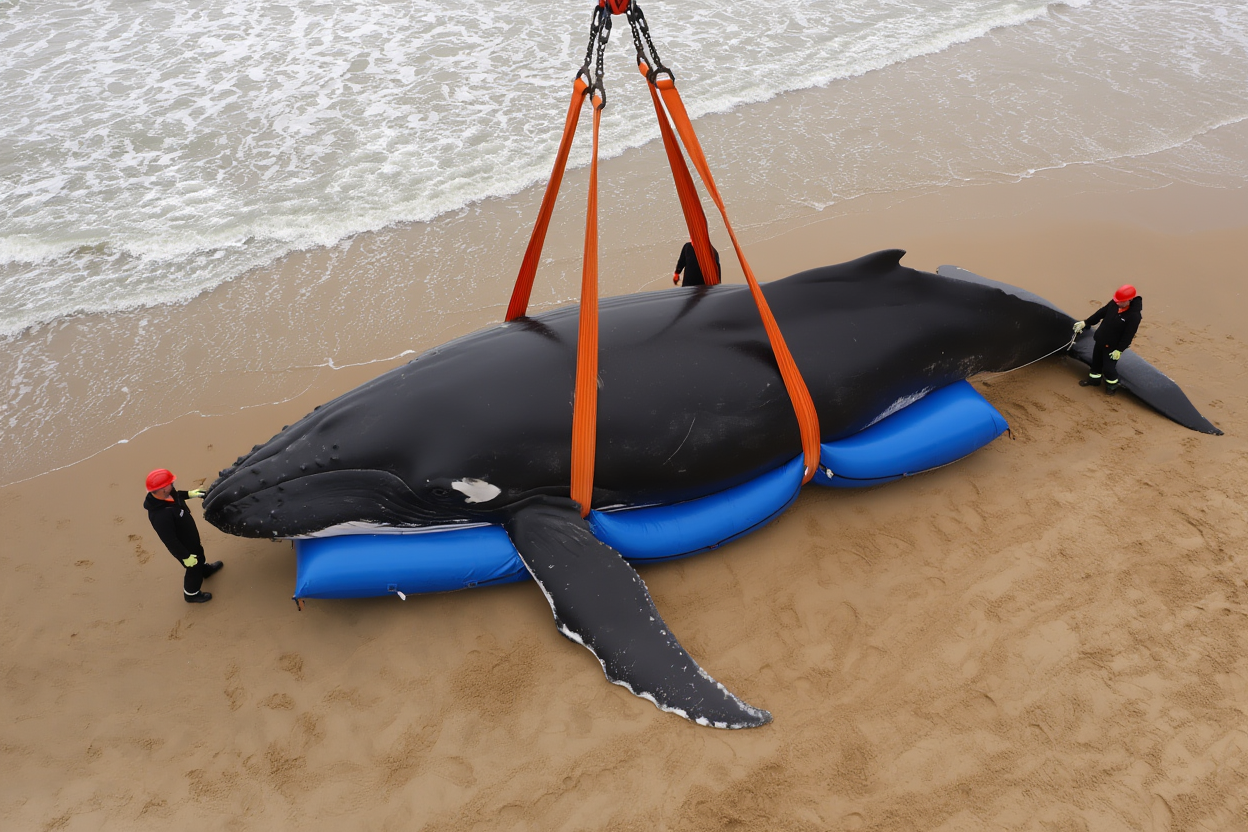
In a bold move, specialists are attempting a world-first rescue method: industrial-grade air cushions. This innovative technology aims to gently lift the whale’s immense weight without causing further trauma. The plan involves placing a massive tarp under the whale, securing it to two pontoons, and then towing him back to the open sea with a tugboat.
The air cushions are designed to distribute Timmy’s weight evenly, preventing pressure from damaging his internal organs, muscles, and bones. This rescue operation, led by private entrepreneurs in collaboration with the state’s environment ministry, is being described as a breakthrough in marine rescue technology. It is the hope of these experts that Timmy will be able to safely reach deeper waters—away from the dangerous shallows where he’s been stuck for so long.
The Perils of the Rescue
But the rescue is not without its risks. While the air cushions are the gentlest option available, veterinarians warn of the grave danger of crush syndrome once the whale is lifted. After days of being trapped on land, the muscles of the humpback whale have been damaged, and when they are lifted, the toxins released by the muscles could flood Timmy’s bloodstream. This can lead to acute kidney failure—potentially within 24 to 48 hours of a “successful” rescue. Even if Timmy is moved to deeper waters, there is no guarantee that he will survive the aftermath.
Additionally, exhaustion is a major concern. Humpback whales must actively surface for air, and after being stranded for so long, Timmy may not have the strength to swim, fight the waves, or even keep himself afloat.
The Big Question: Is It Worth It? 
With so much uncertainty surrounding the rescue, the question remains: Is this Timmy’s last chance for survival, or are we merely prolonging his agony?
As the team prepares for this daring operation, millions across Europe are holding their breath. Timmy’s fate is now in the hands of the rescuers—and time is running out. Some believe that this rescue is his last hope to return home to the Atlantic Ocean, where he belongs, while others worry it could be a tragic decision that only brings more suffering.
Hope vs. Realism 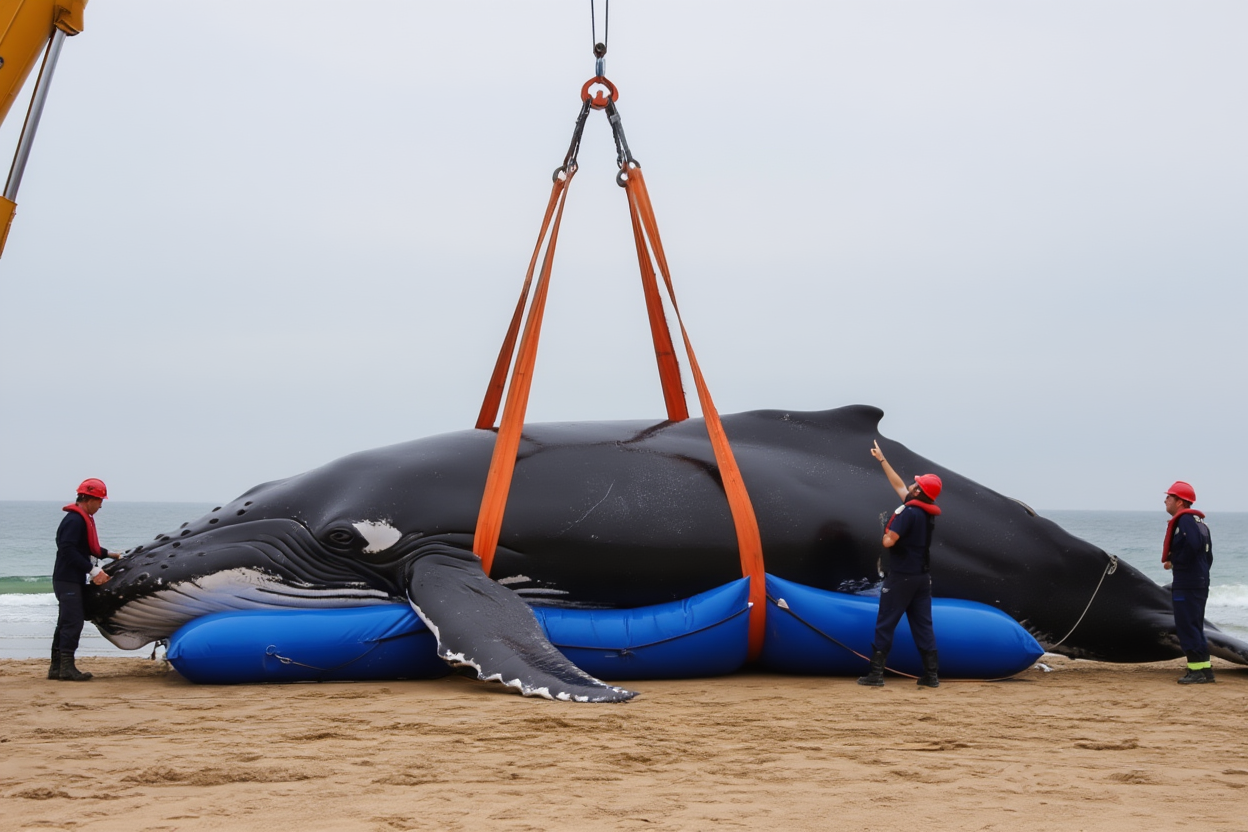
Hope is powerful, but so is realism. The entire world is watching the outcome of this unprecedented rescue, with some praying for Timmy’s recovery, while others prepare for the worst. Can Timmy defy the odds, or is the struggle too much for him to overcome? Only time will tell.
The delicate balance between hope and heartbreak is now on full display. Timmy’s story is not just about a whale’s fight for survival, but also about the lengths to which humans will go to protect the creatures of our planet—even when the odds seem insurmountable.