Lizzy Georgeson: Motherhood, Resilience, and Redefining Possibility
- SaoMai
- April 21, 2026
Lizzy Georgeson: Motherhood, Resilience, and Redefining Possibility
Lizzy Georgeson’s journey to motherhood is a story shaped by resilience, determination, and the refusal to let physical limitations define her life.
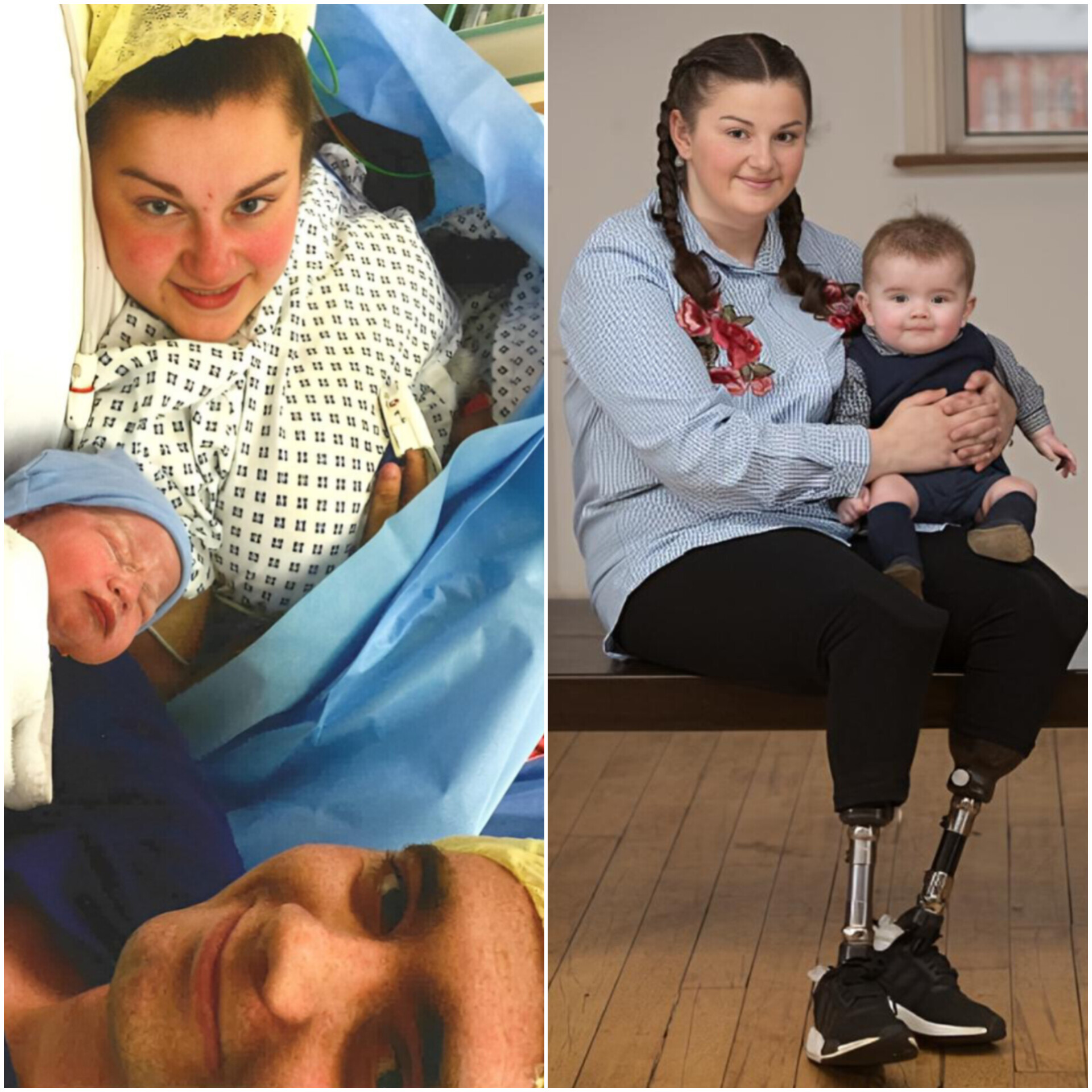
At 26, Lizzy has already faced years of medical challenges. Born with a condition that severely affected her feet and joints, she underwent 36 operations beginning in infancy. After living with chronic pain for much of her life, she ultimately made the difficult decision to have both of her legs amputated — a choice she says brought long-awaited relief and improved quality of life.
When she and her husband, Lewis, decided to start a family, they did so with careful thought and awareness of the potential risks. Pregnancy would place additional strain on her body, particularly affecting balance, mobility, and joint stability.
 As her pregnancy progressed, those concerns became reality. The shift in weight affected her balance while using prosthetic legs, leading to several falls. Increased pressure on her hips caused significant pain, and she developed Symphysis Pubis Dysfunction (SPD), a condition that affects the pelvic joints and can make movement extremely difficult.
By the later stages of pregnancy, Lizzy relied more heavily on a wheelchair to manage daily life. Pain management became a necessity, and her experience required close medical supervision.
Despite these challenges, she remained focused on the outcome.
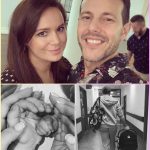
In October, at 39 weeks, Lizzy gave birth to her son, Henry, via planned caesarean section at St James’s Hospital in Leeds. He was born healthy, weighing 8lb 5oz — a moment Lizzy describes as the most meaningful of her life.
Her journey into motherhood has required adaptation. Everyday tasks involve careful planning to ensure safety, and she and her husband have adjusted routines to suit their needs. Lewis plays an active role in caregiving, and together they have created a supportive environment for their son.
Beyond her personal life, Lizzy has also built a public presence, becoming the UK’s first double-amputee model. Through her work, she has challenged perceptions around disability, representation, and identity.
She speaks openly about her experiences, emphasizing that disability does not limit a person’s ability to pursue meaningful life goals — including parenthood.
Her story highlights not only the physical realities of her journey, but also the importance of mindset, support systems, and adaptability.
For Lizzy, motherhood is not defined by the challenges she faced, but by the life she has created.
It is a reminder that while limitations may shape the path, they do not have to determine the destination — and that resilience often reveals itself in the most personal and powerful ways.