Russia Announces Progress on mRNA-Based Cancer Vaccine: A Hopeful Step or Too Soon to Celebrate?
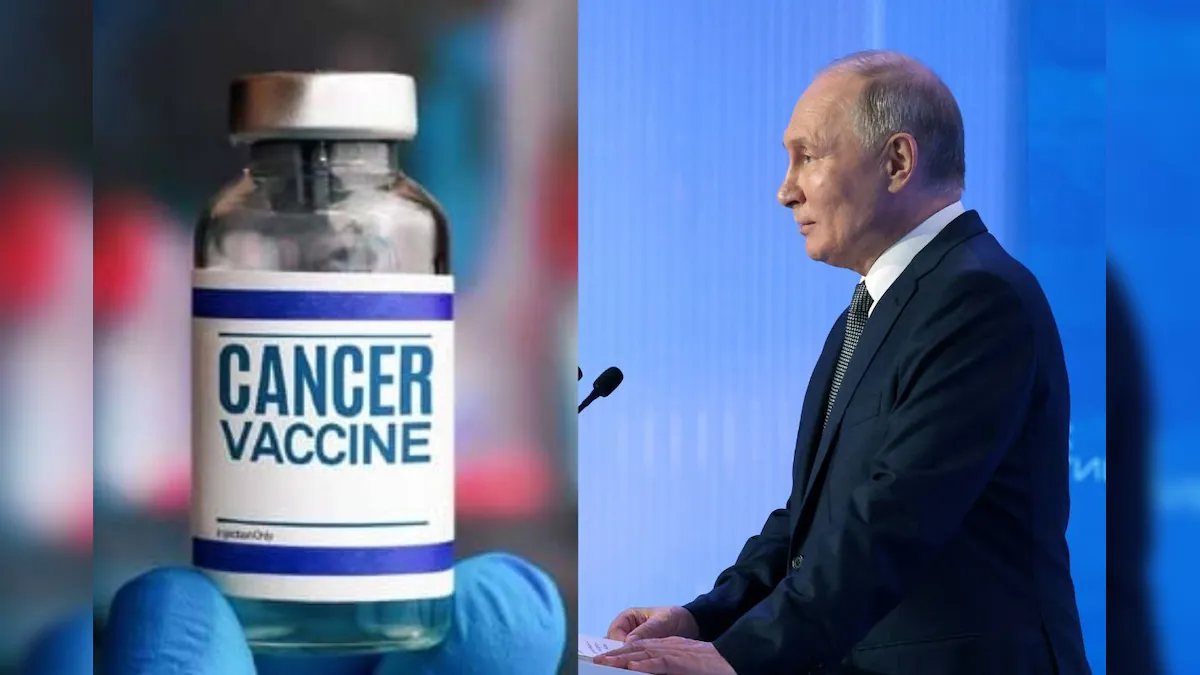
Russia Announces Progress on mRNA-Based Cancer Vaccine: A Hopeful Step or Too Soon to Celebrate?
In a move that has captured global attention, Russia recently announced significant progress on the development of an mRNA-based cancer vaccine. According to reports from sources such as TASS, Economic Times, and Business Standard, the vaccine is still in the testing phase but is already being touted as a potential breakthrough in cancer treatment. Russian officials also revealed plans to make the vaccine available for free to patients in the near future, which has further sparked interest and hope among cancer patients and their families.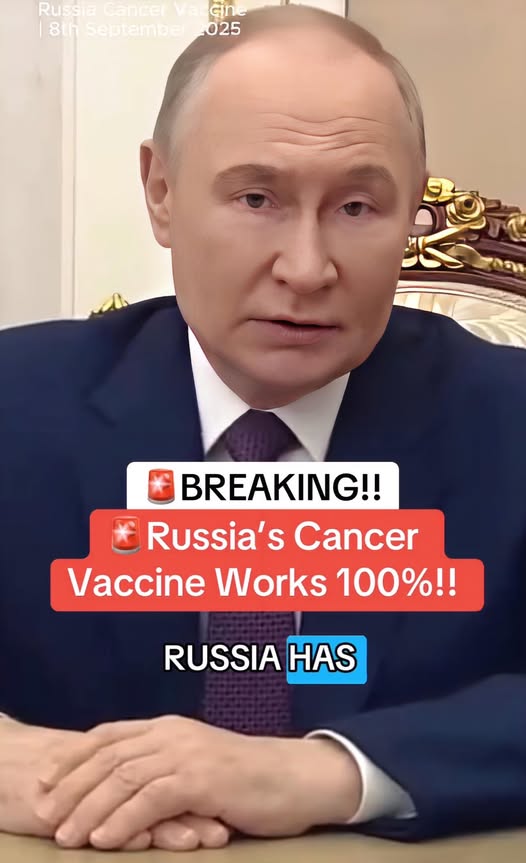
What We Know About the Vaccine
The vaccine, which utilizes mRNA technology similar to that used in COVID-19 vaccines, is designed to help the immune system identify and target cancer cells. This approach, known as immunotherapy, seeks to enhance the body’s natural defenses against cancer by boosting the immune system’s ability to recognize tumor cells as foreign invaders. Early trials of the vaccine are focused on its ability to trigger a targeted immune response, aiming to shrink tumors and prevent further cancer growth.
Promising, but Still in the Early Stages
While the vaccine has garnered significant attention due to its potential, experts emphasize that it is still very much in the early stages of development. Animal studies and preliminary trials in humans have shown encouraging signs, but the vaccine has not yet undergone the rigorous, large-scale testing necessary to confirm its safety and efficacy in treating cancer across diverse patient populations.
Key Point: Scientists are quick to point out that the vaccine is not a cure for all cancers and is not yet proven to cure cancer in humans. Further clinical trials are required to establish whether it can work effectively across different cancer types and stages. It’s important to note that this vaccine is not an alternative to existing cancer treatments, but rather a potential complement to current therapies, aimed at strengthening the immune system’s ability to fight the disease.
The Vaccine’s Potential Impact
Despite the caveats, the announcement has sparked optimism, especially given the global cancer burden. Cancer is one of the leading causes of death worldwide, with an estimated 10 million people dying from the disease every year. A vaccine that could enhance the immune system’s response to cancer could drastically change the way we approach cancer treatment.
If successful, this mRNA cancer vaccine could potentially be used alongside traditional cancer therapies like chemotherapy, radiation, and surgery, providing a more targeted approach to treatment. It could also help reduce the recurrence of cancer after remission by boosting the immune system’s ability to recognize and eliminate any remaining cancer cells.
Challenges and Caution
However, the excitement surrounding the announcement should be tempered by caution. Cancer is an incredibly complex disease, and the idea of a universal cancer vaccine remains a distant goal. While the promise of a vaccine capable of curing or preventing cancer is tantalizing, it’s crucial that scientific research takes its due course. Medical professionals and researchers warn that jumping to conclusions based on early-stage results could lead to unrealistic expectations.
The vaccine is also unlikely to be a one-size-fits-all solution. Cancer is not a single disease but a group of diseases, each with its own unique biology. What works for one type of cancer may not work for another, and much more data is needed to understand how the vaccine will perform across different cancer types, patient demographics, and stages of disease.
A Step Toward Innovation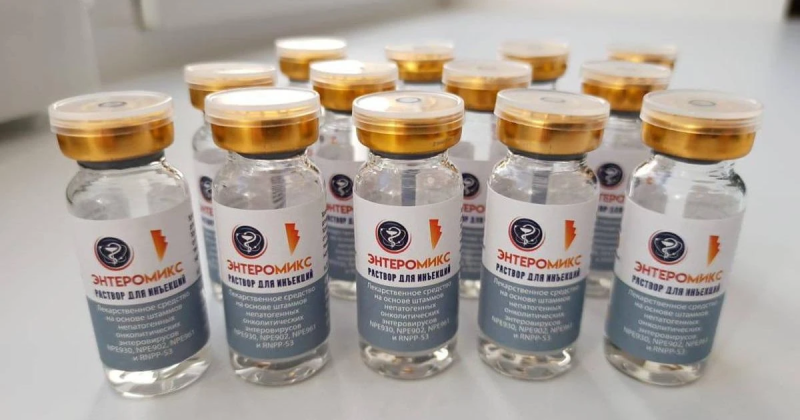
Despite the challenges and uncertainties, this development represents a meaningful step forward in cancer research. The use of mRNA technology in cancer treatment is still in its infancy, but it holds immense potential. Just as mRNA vaccines helped combat the COVID-19 pandemic, similar technology could one day revolutionize cancer treatment by providing more personalized, targeted therapies.
In addition, the Russian government’s commitment to offering the vaccine free of charge could potentially make this treatment more accessible to those who might otherwise not be able to afford it. Access to groundbreaking treatments remains a critical issue, especially in lower-income regions, and this initiative could provide an important model for the future of global health care.
The Road Ahead
For now, the mRNA-based cancer vaccine is still in its early trial stages, and its future remains uncertain. The scientific community will be watching closely as more data emerges, and the ongoing trials will determine whether this vaccine can live up to the promise it holds.
As it stands, this vaccine represents hope, but not yet a cure. Cancer patients and medical professionals alike must remain cautiously optimistic until more comprehensive, peer-reviewed data becomes available. While we may be on the brink of a new era in cancer treatment, the road to a proven, widely accessible cancer vaccine is still long.