Heartbreaking: 9-Year-Old Eli Killed in Alleged DUI Crash—A Tragedy That Raises Questions About Accountability and Prevention
It should have been just another ordinary day—a child in the passenger seat, a road ahead, a life full of possibilities waiting to unfold. But in a single, devastating moment, everything changed.
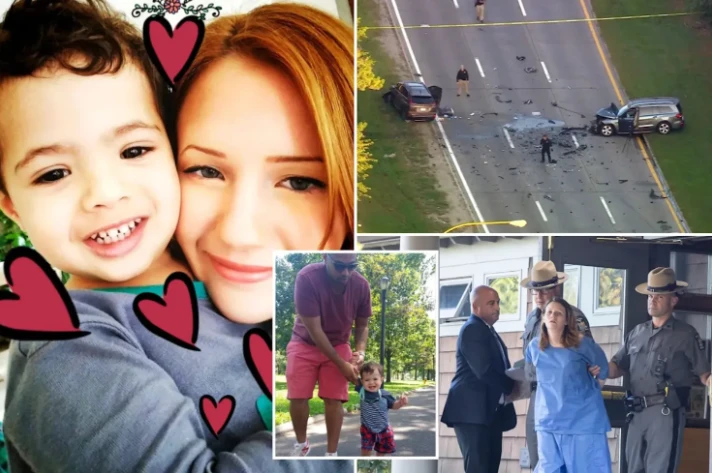
Nine-year-old Eli Bedrick is gone—his life cut short not by illness or fate, but by a crash that authorities say should never have happened.
Now, the case surrounding his death is drawing national attention, not only for its heartbreaking loss but for the complex and deeply uncomfortable questions it raises about responsibility, trauma, and prevention.
A Wrong-Way Crash Turns Deadly
According to investigators, Eli’s mother, Kerri Bedrick, was allegedly driving under the influence of methamphetamine when she entered a highway going the wrong way.
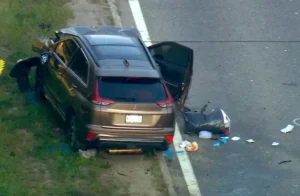
The collision that followed was immediate and catastrophic.
Emergency responders arrived at a scene defined by chaos and devastation. But for Eli, there was no saving him. His life ended in an instant—leaving behind a grieving family and a community struggling to process the loss of a child.
Authorities later reported that Bedrick allegedly admitted to using methamphetamine prior to getting behind the wheel. Officers also recovered pills in her vehicle that tested positive for the drug.
Criminal Charges and Legal Proceedings
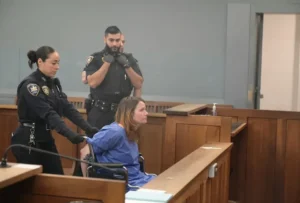
Following the crash, Bedrick was taken into custody and now faces serious charges, including aggravated driving while intoxicated with a child passenger and endangering the welfare of a child.
Her bail has been set at $1 million.
Prosecutors are expected to argue that the case is straightforward: a conscious decision to drive while impaired resulted in a preventable death. Toxicology reports and physical evidence will likely play a central role in building their case.
For many observers, the facts appear clear—and the outrage has been swift.
But as more details emerge, the narrative has become more complicated.

Claims of Abuse and Mental Health Struggles
Bedrick’s former attorney, Eleanor Gery, has stated that her client may have been a victim of severe domestic violence. While not presented as a legal defense, the claim adds a layer of context that has fueled public debate.
Family members have also suggested that potential health issues could have played a role in the crash, though no official diagnosis has been confirmed.
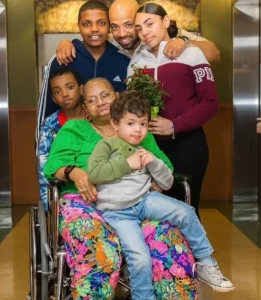
At the same time, relatives of Eli’s father have claimed that concerns about Bedrick’s behavior had been raised prior to the incident, including during custody disputes. However, no verified documentation has been publicly released to support those assertions.
Together, these elements create a narrative that is far from simple—one that sits at the intersection of substance abuse, mental health, and possible past trauma.
A Divided Public Reaction
As the case unfolds, public opinion has become increasingly polarized.
Some see a clear case of negligence and accountability. From this perspective, driving under the influence—especially with a child in the car—is an unforgivable act, regardless of personal history or circumstances.
Others argue that trauma and abuse can have lasting psychological effects, influencing decision-making in ways that are not always visible or easily understood. They believe that while responsibility must be addressed, the broader context cannot be ignored.
And then there are those who hold both truths at once—that a person can be both shaped by trauma and still responsible for their actions.

Remembering Eli
Amid the legal arguments and public debate, one truth remains unchanged: a child has been lost.
Eli was more than a headline. He was described as a joyful, imaginative boy who found wonder in the simplest things—turning cardboard boxes into rocket ships, creating adventures out of everyday life.
He loved playing with his brother, swimming on warm days, and simply being a kid.
That is how his loved ones want him to be remembered—not by the way he died, but by the way he lived.
A Quiet Tragedy with Loud Implications
Neighbors described the family as quiet, unassuming—nothing outwardly suggesting the turmoil that may have existed beneath the surface.
And perhaps that is what makes this case even more unsettling.
Many tragedies do not announce themselves. They build slowly, quietly—through missed signs, unspoken struggles, and systems that may not intervene in time.
This incident has reignited broader conversations about:
- The dangers of impaired driving
- The hidden impact of domestic violence
- The role of mental health in decision-making
- And whether more could have been done to prevent such an outcome
Where Responsibility Meets Complexity
Legal experts note that the outcome of the case will ultimately depend on evidence—what can be proven in court, not just what is suggested or believed.
Prosecutors must establish that Bedrick knowingly drove while impaired. The defense, if pursued, may attempt to introduce mitigating factors related to her mental state or personal history.
But beyond the courtroom, a more difficult question lingers:
At what point does explanation end—and responsibility begin?
It is a question with no easy answer. Trauma can shape behavior, but it does not erase consequences. And when a child’s life is involved, the stakes become absolute.

A Loss That Demands Reflection
At a small memorial, flowers and handwritten notes now mark the place where Eli is remembered. Many who leave them never knew him—but they feel the weight of what was lost.
Because this story is not just about one family.
It is about the fragile intersection of personal struggle and public safety. It is about how multiple factors—addiction, trauma, silence—can collide with devastating consequences.
And it is about a child who should still be here.
Eli should be picking out school supplies, laughing with friends, and dreaming about the future.
Instead, his family is planning a funeral.
No matter how the legal case unfolds, that reality will never change.
And beneath all the debate, all the arguments, and all the unanswered questions, one truth remains:
A child is gone—and nothing can bring him back.