Russia’s Cancer Vaccine Enteromix: A Game-Changer or Hype?
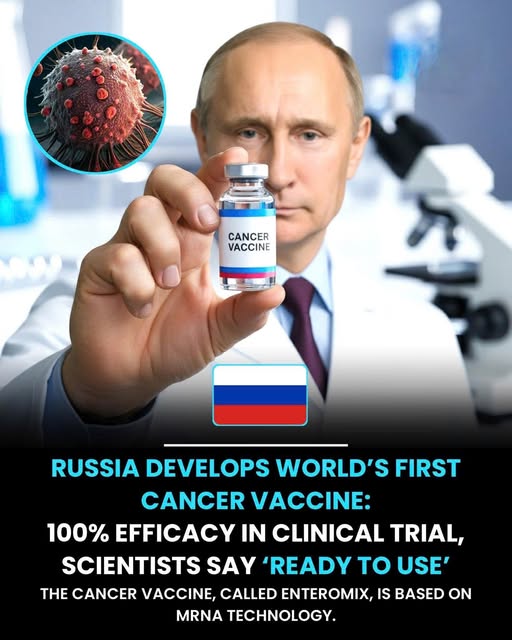
Russia’s Cancer Vaccine Enteromix: A Game-Changer or Hype?
Russia’s Federal Medical-Biological Agency (FMBA) has made a bold announcement that has turned heads worldwide: their mRNA-based cancer vaccine, Enteromix, is reportedly ready for clinical use after showing promising results in preclinical trials. The news has sparked excitement and skepticism, raising the question: Could this be the breakthrough cancer treatment we’ve been waiting for, or is it too early to tell?
What Makes Enteromix Stand Out?
Enteromix is an mRNA vaccine, similar to the technology used in the COVID-19 vaccines, but it aims to fight cancer. The vaccine works by training the immune system to specifically target and destroy cancer cells while sparing healthy tissue. This precision attack on cancerous cells has the potential to revolutionize cancer treatment by reducing harmful side effects typically seen in conventional treatments like chemotherapy and radiation.
A key feature of Enteromix is personalized medicine. The vaccine is tailored to each patient’s tumor RNA, making it highly specific and potentially more effective in attacking cancer at a molecular level. The vaccine’s ability to adjust to a patient’s unique genetic makeup could offer a more individualized and targeted approach to cancer therapy.
The Early Results: Hopeful, But Not Conclusive
In early trials with 48 colorectal cancer patients, Enteromix demonstrated tumor shrinkage ranging from 60-80%. These results are undoubtedly impressive, especially since no serious side effects were reported. Some preclinical trials even claim 100% efficacy in animal studies, which has further fueled the optimism surrounding the vaccine.
Russia is also developing versions for other aggressive cancers, including glioblastoma, melanoma, and more. This suggests that Enteromix could have the potential to treat a wide range of cancers, making it an exciting prospect in the fight against this deadly disease.
Russia’s Ambitious Plan
Once the vaccine is approved, Russia plans to offer Enteromix free of charge to patients, which could be a huge breakthrough in accessibility and affordability for cancer treatment, especially in a country where healthcare costs can be a barrier to many.
Caution: Experts Urge Patience
While the early results are encouraging, experts are urging caution. Small-scale trials do not guarantee long-term success. The results seen in 48 patients are promising but still limited. Larger Phase II and III trials, involving a wider population, are necessary to confirm the vaccine’s safety and effectiveness on a global scale.
Moreover, while animal studies have shown potential, they do not always translate directly to humans. The immune systems of animals and humans are different, and a treatment that works in mice doesn’t always have the same effect in people. The success of Enteromix in human trials will depend on how it performs in much larger, more diverse groups of patients over longer periods.
Future Potential: A New Era in Cancer Treatment?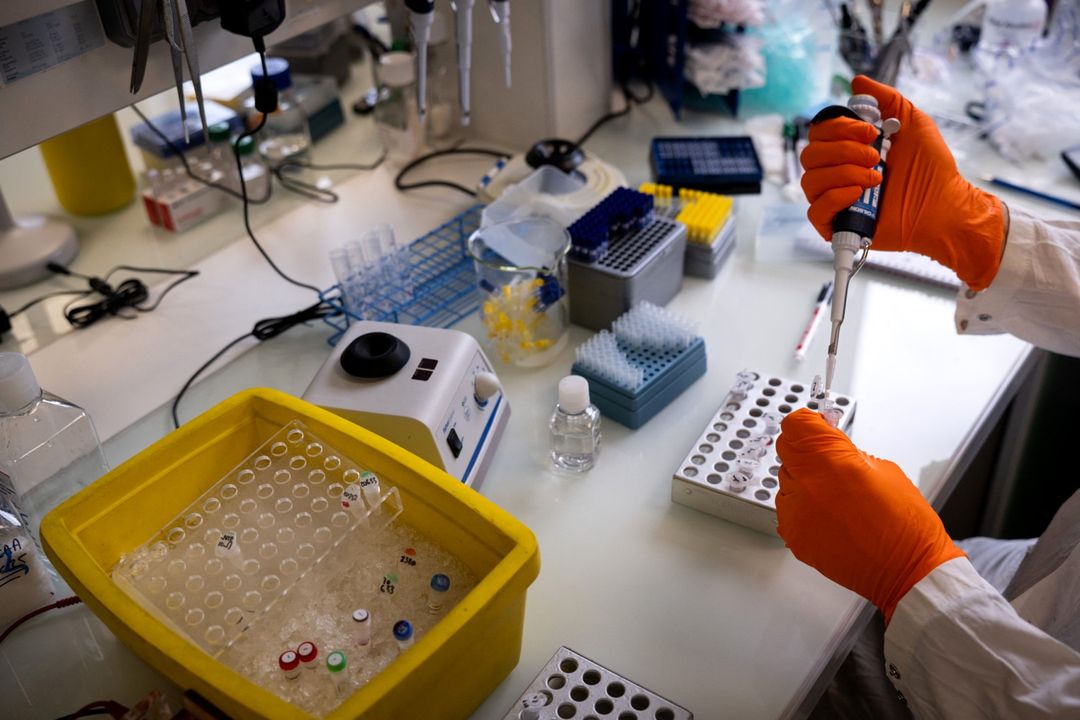
The potential for Enteromix to change cancer treatment is immense, but we must be cautious. If it proves to be effective, it could shift the way we treat cancers, offering a more targeted, personalized, and less toxic approach compared to current methods. But until peer-reviewed clinical data is available, it’s essential to remain cautiously optimistic.
Conclusion: A Miraculous Breakthrough or Too Soon to Celebrate?
The global conversation about Enteromix has only just begun. As millions watch closely, the question remains: Could this vaccine be the cure we’ve all been waiting for, or is it still a long way from proving itself?
Hope is priceless, but as experts have pointed out, hype can be dangerous. While Enteromix shows promise, the reality of its effectiveness will be revealed only through larger clinical trials and rigorous testing. Until then, we must balance hope with critical caution.