Holding Her Close: A Mother’s Emotional Journey Through Her Daughter’s Life-Saving Heart Surgery
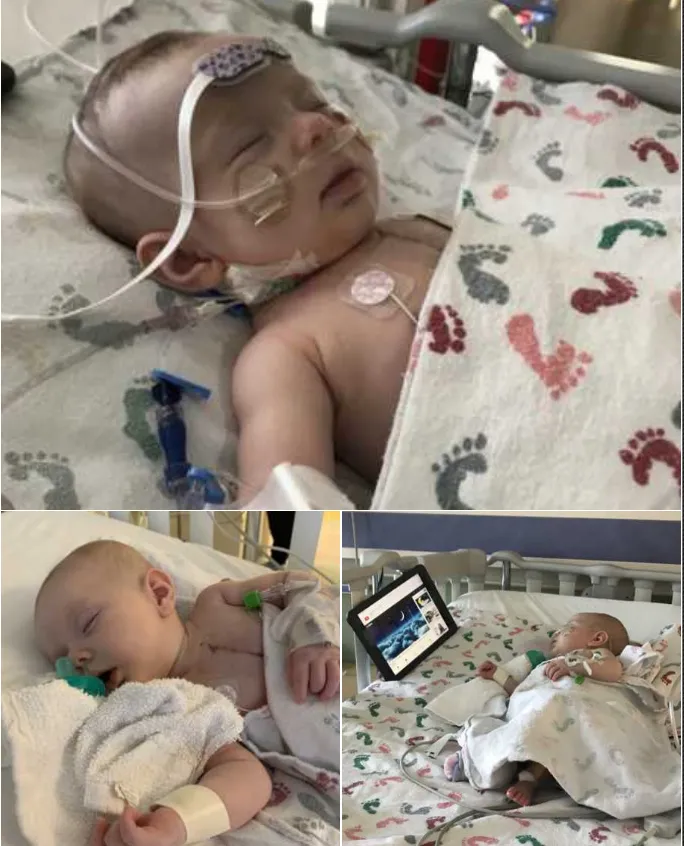
The First Time I Held Her After Surgery
The first time I held my daughter after her open-heart surgery is a moment I will never forget.
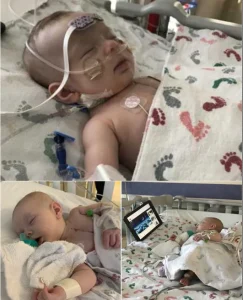
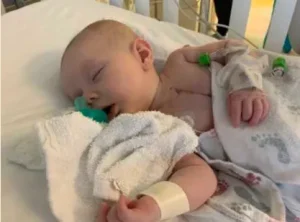
Lilly was just shy of four months old, lying in her ICU bed, surrounded by wires, monitors, and machines that seemed far too big for her tiny body. The surgery had been successful—that’s what the doctors said—but nothing prepares you for seeing your baby like that.
When the nurse gently placed her in my arms, I broke down.
All the fear, the waiting, the silent prayers—it all came rushing out at once. She was fragile, exhausted, but she was alive. And in that moment, nothing else mattered.
When Everything Seemed Perfect at First
Lilly was born on June 17, 2019, and in those first hours, everything felt normal.
Her pediatrician did mention hearing a slight heart murmur, but reassured us it was common in newborns and would likely resolve on its own. By the next day, the murmur seemed to disappear, and we allowed ourselves to believe everything was fine.
We went home with a healthy baby—or so we thought.
Looking back, I realize how easily subtle signs can be missed when you don’t know what you’re looking for.
The Early Signs We Didn’t Recognize
During her first two months, Lilly seemed like a calm, sleepy baby. Feeding was a challenge, but I assumed it was normal. She would tire easily, often falling asleep mid-feed, and gaining weight felt like a slow process.
At the time, I didn’t think much of it.
Now I know those were early warning signs—her tiny heart working harder than it should, quietly struggling in ways we couldn’t yet see.
At her two-month checkup, everything shifted.
Her pediatrician heard the murmur again. This time, there was no reassurance—only urgency. We were referred immediately to a pediatric cardiologist.
A Diagnosis No Parent Is Ready For
The cardiologist performed an echocardiogram, and I watched the screen, not fully understanding what I was seeing—but sensing something wasn’t right.
Then came the words:
Lilly had a Ventricular Septal Defect (VSD)—a hole between the lower chambers of her heart.
It’s one of the more common congenital heart defects, they said. Treatable, they assured us.
But in that moment, all I heard was: something is wrong with my baby’s heart.
My mind raced with questions—Would she grow normally? Would she be okay? What happens next?
Managing the Condition and Preparing for Surgery
We started with medication to support her heart and reduce strain. Feeding strategies were adjusted to help her gain weight.
Each follow-up appointment brought small improvements, but also a growing realization: surgery would eventually be necessary.
There was no avoiding it.
By the fourth cardiology visit, we made the decision. Waiting any longer would only increase the risks.
Still, agreeing to heart surgery for your baby is something no parent ever feels ready for.
The Hidden Diagnosis That Changed the Plan
Just before surgery, during a routine echocardiogram, doctors discovered something more.
Lilly also had Coarctation of the Aorta—a narrowing in her main artery.
Suddenly, everything became more urgent.
The surgery would now address two serious conditions at once. While that meant one operation instead of two, it also meant moving forward sooner than expected.
The timeline tightened. The fear intensified.
The Longest Day of Our Lives
The day of surgery arrived, and time seemed to move differently.
We handed Lilly over to the surgical team, trusting them with everything we had. Then we waited.
Hours passed slowly. Every minute stretched into what felt like forever.
Sixteen hours later, we got the call: the surgery was successful. She was stable.
Relief came, but it was quiet—fragile, almost afraid to exist fully.
Holding Her Again: A Moment of Truth
Then came the moment I had been waiting for.
A nurse asked if I wanted to hold her.
When Lilly was placed in my arms, I felt everything at once—fear, love, exhaustion, gratitude. I sobbed uncontrollably, unable to hold it in any longer.
She was covered in wires. Her chest bore the marks of surgery. She looked so small, so vulnerable.
But she was breathing.
Her heart was beating.
And that was enough.
Recovery, Healing, and Finding Strength
The days that followed were filled with careful monitoring, small steps forward, and constant vigilance.
Recovery wasn’t instant. There were moments of worry, moments of doubt. But slowly, Lilly began to heal.
Each day brought progress.
Each small improvement felt like a victory.
And through it all, she showed a quiet strength that amazed everyone around her.
Two Years Later: A Life Full of Joy
Today, nearly two years later, Lilly is thriving.
Her scar has faded, barely visible—a reminder of everything she has overcome. She is energetic, playful, and full of life.
Watching her run, laugh, and explore the world, it’s hard to believe how far she has come.
The surgery that once terrified us is now part of her story—not the whole story.
Lessons Learned Through Fear and Love
This journey changed me in ways I never expected.
It taught me how fragile life truly is—how quickly everything can shift. But it also showed me the strength we carry as parents, even when we feel like we’re falling apart.
I learned the importance of asking questions, advocating for my child, and trusting the medical professionals guiding us.
Most of all, I learned what unconditional love really means.
A Message to Other Parents Facing the Unknown
If you are a parent standing where I once stood—scared, overwhelmed, and unsure—please know this:
You are stronger than you think.
Your child is stronger than you imagine.
And even in the hardest moments, there is hope.
Today, we celebrate the simple things.
A laugh. A quiet moment. A normal day.
Because after everything we’ve been through, “ordinary” feels extraordinary.
Lilly’s journey is a reminder to hold your loved ones close, to appreciate every heartbeat, and to never take a single moment for granted.