US-Iran War Oil Crisis: Czech MP Urges Rethink on Russian Energy Supply
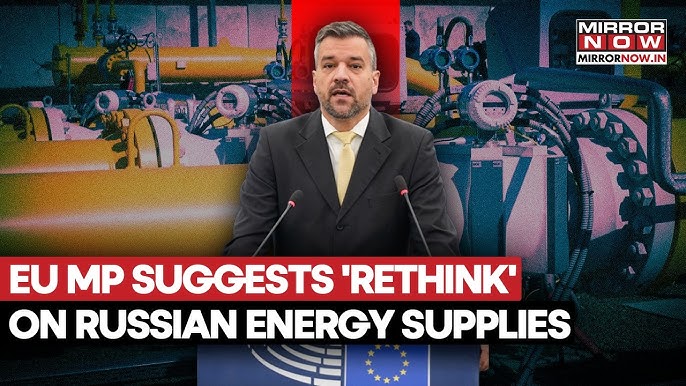
US-Iran War Oil Crisis: Czech MP Urges Rethink on Russian Energy Supply
As the conflict between the United States and Iran continues to intensify, the global oil market is facing unprecedented disruptions. In response to soaring energy prices and a volatile supply chain, Czech MP Tomáš Zdechovský has called on European Union nations to reconsider their reliance on Russian energy supplies. Zdechovský’s comments come amidst growing concerns that the ongoing conflict in the Middle East could further destabilize the global energy market, exacerbating the energy crisis in Europe.
The US-Iran Conflict and Global Oil Markets
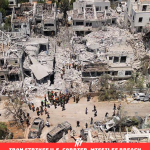
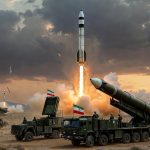
The US-Iran war, which has seen escalating tensions, military strikes, and disruptions to key oil transport routes in the Strait of Hormuz, has resulted in massive spikes in global oil prices. With Iranian forces targeting shipping lanes and both the US and Israel ramping up military actions against Iranian military assets, global energy supply chains have been severely affected. As oil prices surge, many countries, particularly those in Europe, are feeling the financial strain.
For Europe, which has long relied on Russian energy—including natural gas and oil—the ongoing geopolitical developments have added a layer of complexity to an already fragile energy situation. The war with Iran has compounded the issue, forcing European policymakers to reconsider their energy security.
Czech MP’s Call for Action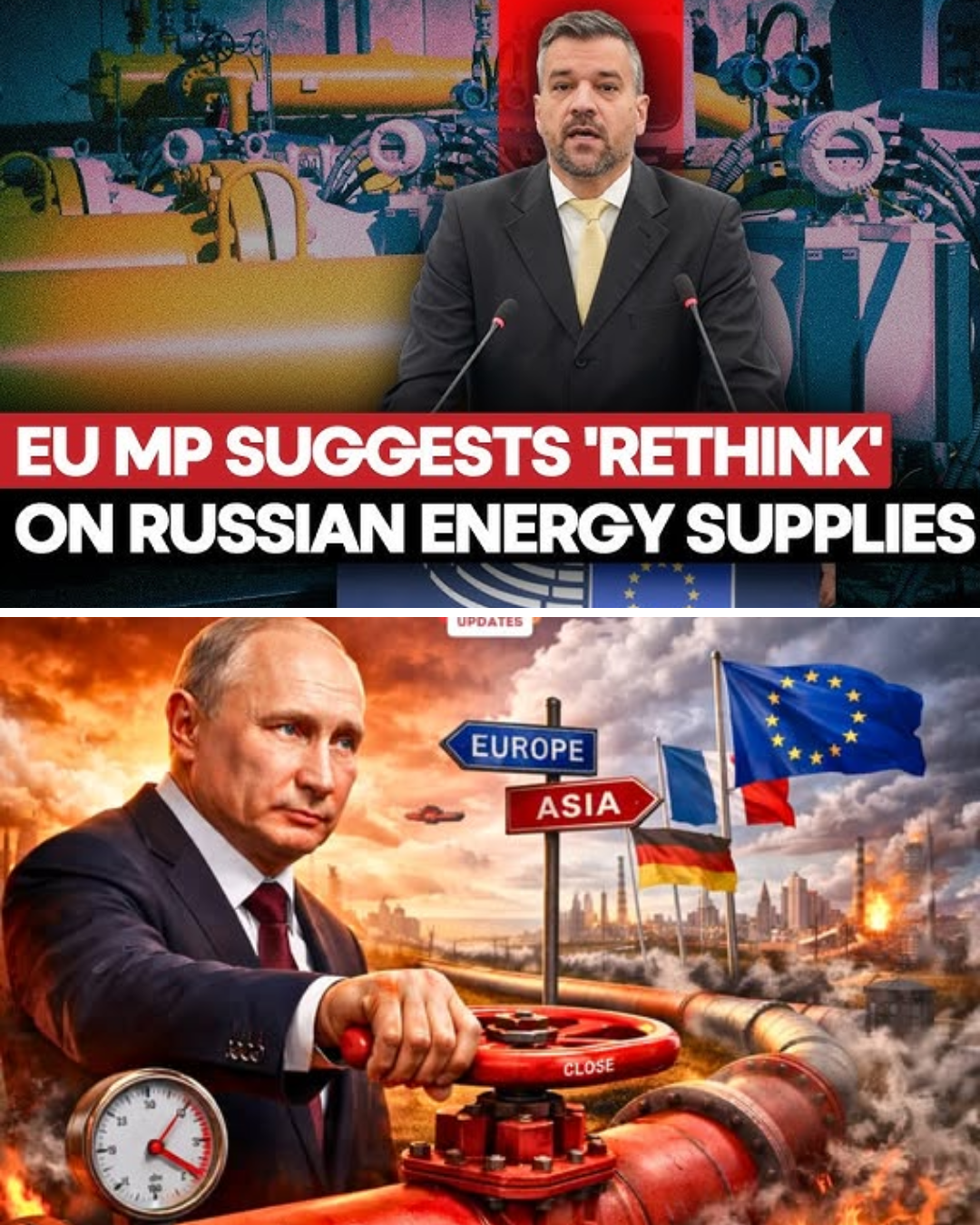
In a recent interview, Tomáš Zdechovský, a member of the Czech Parliament and an advocate for energy diversification, urged European leaders to take swift action to reduce dependence on Russian energy imports. “The current global energy crisis is a result of multiple factors, but our reliance on Russian energy makes Europe vulnerable to external shocks,” Zdechovský stated.
He pointed out that, with the US-Iran conflict destabilizing oil supply routes in the Middle East, Europe could face even greater supply shortages in the coming months. The Czech MP emphasized the need for the EU to invest in alternative sources of energy, including renewable energy and liquefied natural gas (LNG) imports from the United States and other stable producers.
Energy Crisis in Europe
The Russian invasion of Ukraine, which triggered sanctions and a massive shift in European energy policy, had already put European countries in a precarious position regarding their reliance on Russian energy. The US-Iran conflict has now further exacerbated this crisis, as disruptions in oil shipments from the Middle East and uncertainty about future supply routes have caused energy prices to skyrocket across the continent.
Countries like the Czech Republic, which rely heavily on Russian oil and gas, are already grappling with soaring fuel prices. However, the Czech MP’s call to rethink the Russian energy supply has resonated across the EU, with many member states now considering longer-term strategies to reduce their dependency on Russian energy altogether.
The EU’s Energy Dilemma
Zdechovský’s proposal is part of a broader debate within the EU about the future of energy security. European Commission President Ursula von der Leyen has already indicated that the EU plans to continue its push for renewable energy investment to reduce reliance on fossil fuels. But the transition away from Russian energy and Middle Eastern oil supplies is expected to take years, making it a challenging goal in the short term.
Some experts argue that in the immediate future, greater cooperation with non-Russian energy suppliers, such as the United States, could help Europe mitigate the worst effects of the US-Iran war and its impact on oil and gas markets. The EU is also increasingly turning to solar, wind, and hydropower as long-term solutions to energy independence.
What’s Next for Europe’s Energy Future?
As the US-Iran war continues to evolve, the EU faces a critical decision: either double down on its dependence on Russian energy or pursue a more diversified and secure energy future. The voices calling for greater energy independence, like those of Zdechovský, are likely to continue growing as the European energy crisis deepens.
The solution lies not only in policy changes but also in increased investments in sustainable energy infrastructure, improved energy storage technologies, and international partnerships with reliable energy producers outside of the Middle East and Russia. Only then can Europe hope to protect its citizens from future geopolitical shocks and stabilize its energy markets.