Missiles Rock Beirut: Israeli Strike Targets Aicha Bakkar District Amid Rising Tensions With Iran
Missiles Rock Beirut: Israeli Strike Targets Aicha Bakkar District Amid Rising Tensions With Iran
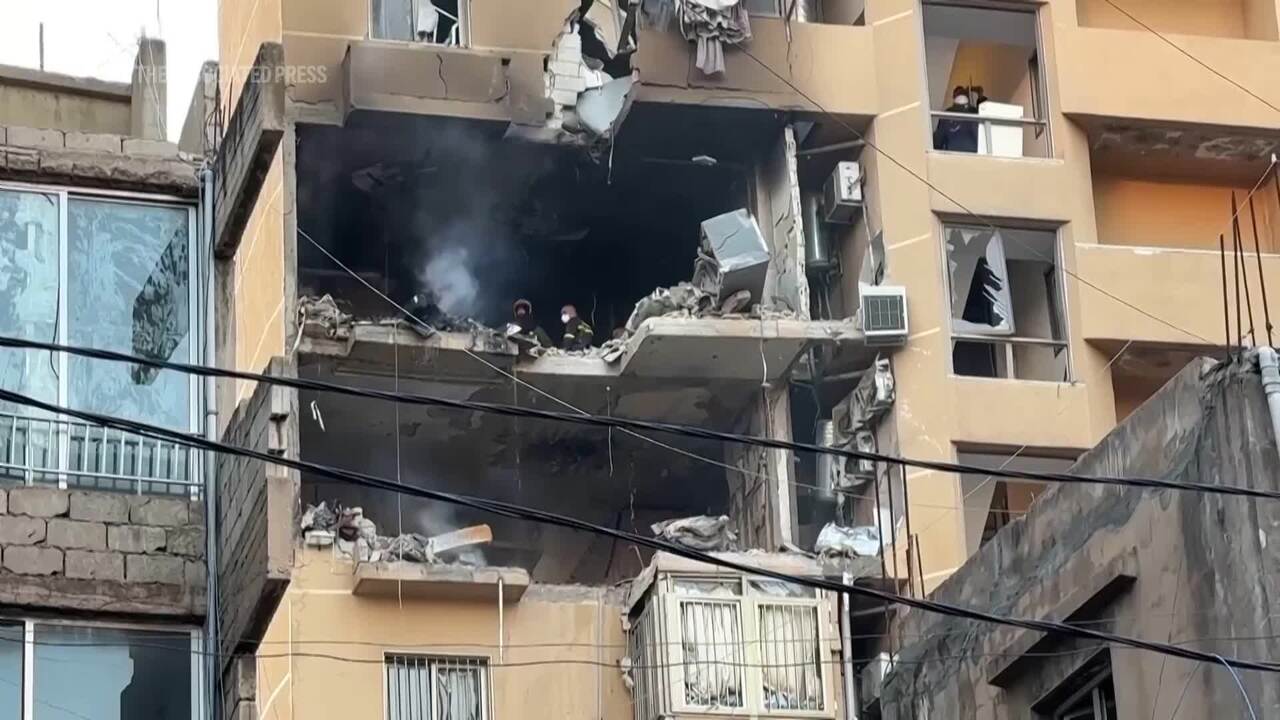
In a dramatic escalation of tensions in the Middle East, Israeli missiles have struck the Aicha Bakkar district in Beirut, Lebanon, marking one of the most significant Israeli strikes in the city in years. The airstrike, which targeted several key buildings, has left multiple casualties and heightened fears of a broader conflict in the region, as tensions between Israel and Iran continue to intensify.
The Aicha Bakkar Strike: A Direct Hit in the Heart of Beirut
The Israeli airstrikes targeted what sources claim to be military infrastructure associated with Iranian-backed Hezbollah militants, who have long had a significant presence in Lebanon. The Aicha Bakkar district, home to many residential buildings, was rocked by explosions, with several structures reportedly collapsing due to the force of the blasts.
While there are no confirmed figures on the casualties, local emergency responders are working at full capacity to rescue survivors trapped under rubble. Hezbollah has yet to confirm the specific details of the targets, but analysts suggest that the district houses important logistics and military assets for the group.
Rising Tensions Between Israel and Iran
The Israeli strike comes amid growing military confrontations between Israel and Iran, with both nations accusing each other of escalating provocations. Iran has been a significant supporter of Hezbollah, which it uses as a proxy force in its fight against Israeli and Western interests in the region.
In recent weeks, tensions between Iran and Israel have been growing due to Iran’s nuclear ambitions, its military presence in Syria, and its increasing support for militant groups across the region. Israel has been especially vocal about its concerns over Iran’s influence and its direct support for proxy forces such as Hezbollah, which Israel views as a direct threat.
Israeli Officials Respond
Israeli officials have stated that the airstrikes were a necessary step to protect Israel from Hezbollah’s growing military capabilities. According to Israeli Defense Minister Yoav Gallant, the Israeli military is prepared to continue its strikes against Iranian-backed groups in Lebanon and Syria. Gallant warned that Israel would “not hesitate” to take further action if Iran or its proxies continue to build up their military presence along Israel’s northern border.
“We will not allow Iranian entrenchment in Syria or Lebanon,” Gallant said in a statement after the strikes.
The Role of Hezbollah: Escalation or Retaliation?
Hezbollah, a powerful Shiite militant group backed by Iran, has vowed to retaliate against the Israeli airstrikes. Hassan Nasrallah, the leader of Hezbollah, condemned the Israeli attack as an “act of aggression” and stated that Hezbollah would “respond at the right time and place.”
The group has long maintained its stance as a resistance force against Israeli policies in Lebanon and the wider region. Hezbollah’s military capabilities, which include missiles, drones, and thousands of highly trained fighters, make it one of Israel’s most significant threats along its northern border.
What This Means for Lebanon and the Region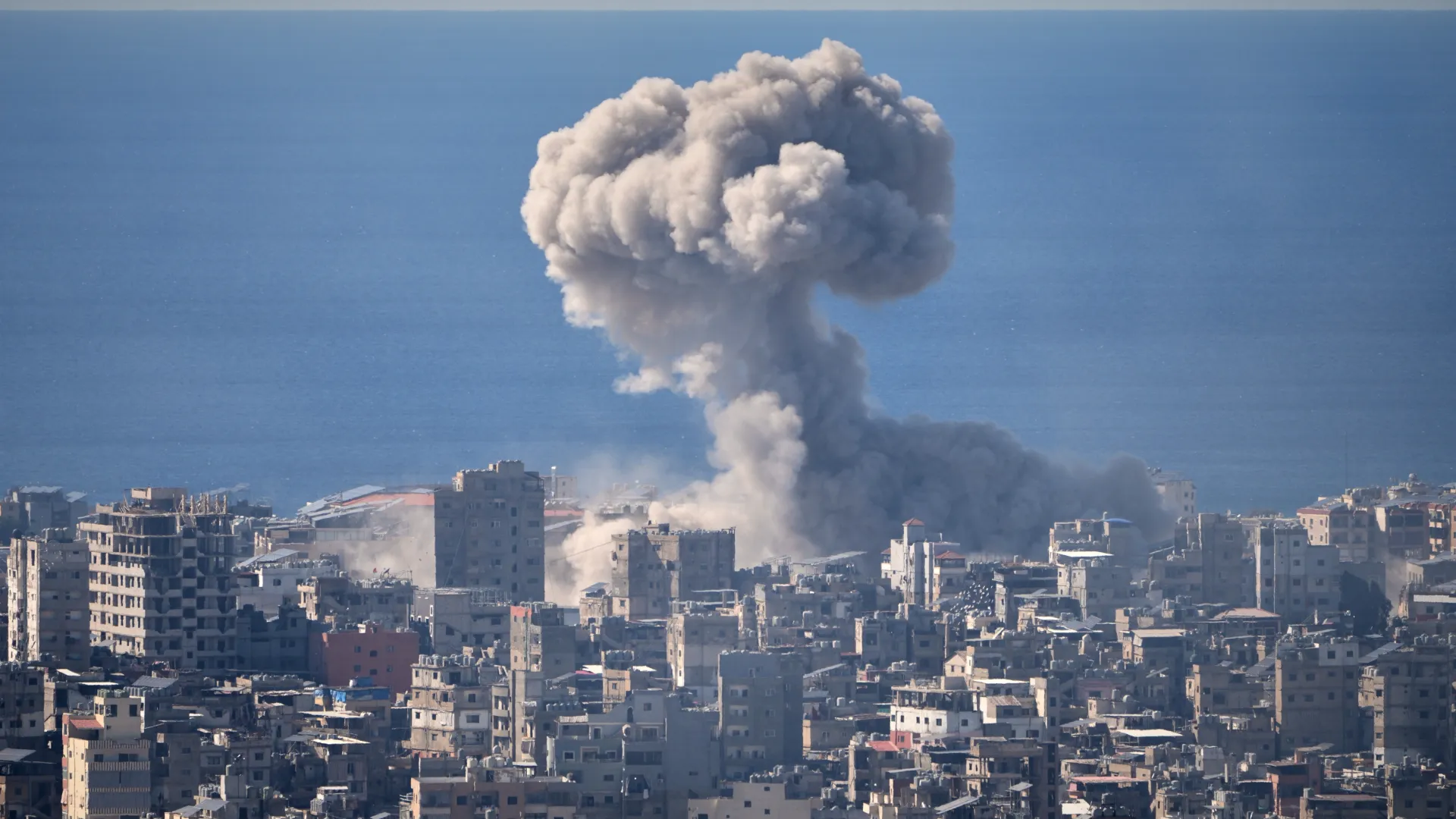
Lebanon, already grappling with its own economic crisis, faces increased instability as these Israeli strikes further compound the country’s problems. The humanitarian toll is expected to rise, with Lebanon’s already fragile infrastructure and healthcare system struggling to cope with the immediate aftermath of the attack.
On the broader geopolitical scale, Israel’s military actions against Hezbollah are seen as part of a larger effort to curb Iran’s influence in the region, particularly as Iran’s nuclear program progresses. With Iranian-backed forces active in both Syria and Lebanon, Israel is working to push back against Iran’s expanding footprint in the region, which it sees as a direct challenge to its security.
Global Reactions
The United States has voiced its support for Israel’s right to defend itself against Iranian-backed groups but urged all parties to avoid further escalation. Secretary of State Antony Blinken expressed concern over the rising violence and called for a return to diplomatic efforts to prevent a broader conflict.
Meanwhile, Iran has condemned the strike, warning that Israel’s actions will only increase instability in the region. Tehran has vowed to stand by its Lebanese allies and Hezbollah, framing the Israeli attack as part of a larger Western-Israeli plot to weaken Iranian influence in the Middle East.
Could This Lead to a Wider Conflict?
With tensions running high, the possibility of further Israeli military actions in Syria and Lebanon remains a looming threat. Hezbollah’s military capabilities, coupled with Iran’s growing presence in the region, could result in a dangerous escalation that draws in multiple countries and destabilizes the Middle East even further.
The international community remains on edge as the situation continues to unfold, with diplomatic efforts to de-escalate the conflict urgently needed to prevent a full-scale war.