Iran Laying Mines in Strait of Hormuz? US Destroys 16 Mine-Laying Boats | What Is Happening?
Iran Laying Mines in Strait of Hormuz? US Destroys 16 Mine-Laying Boats | What Is Happening?
In a dramatic escalation of tensions in the Gulf, reports have emerged that Iran has been laying mines in the Strait of Hormuz, one of the most important and heavily trafficked waterways in the world. In response, the United States Navy has reportedly destroyed 16 Iranian mine-laying boats in a targeted military operation aimed at safeguarding international shipping lanes.
The Tensions Behind the Mine-Laying Campaign
The Strait of Hormuz is a vital chokepoint for global oil transport, with around 20% of the world’s crude oil passing through it daily. Over the past few years, Iran has been accused of attempting to disrupt global shipping routes as a response to the U.S. sanctions and pressure surrounding its nuclear program and regional actions.
Iran has previously threatened to block the Strait of Hormuz entirely, warning that if its oil exports were hindered, it would retaliate by restricting the passage of vessels through this critical waterway. The most recent reports suggest that Iran has escalated this threat by actively laying mines in the waterway, which could endanger both commercial vessels and military ships.
The US Response: Destruction of Mine-Laying Boats
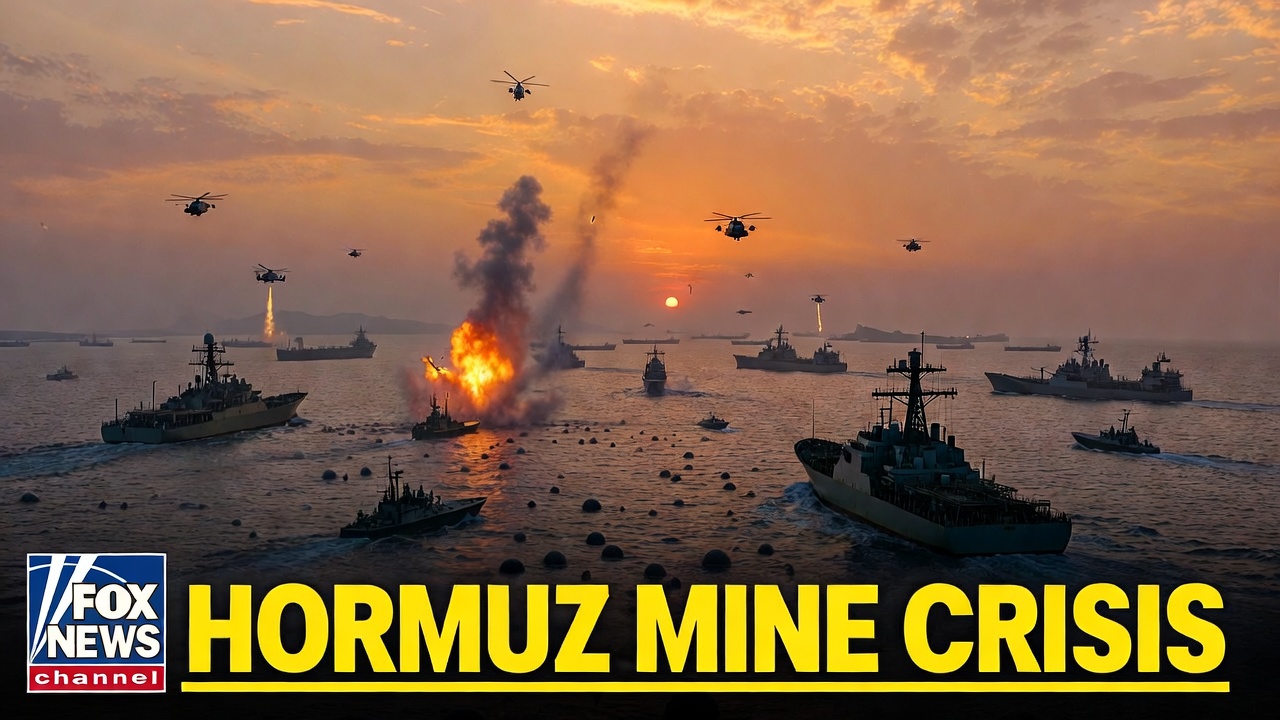
The U.S. Navy responded swiftly and forcefully to these developments. According to Pentagon officials, 16 Iranian boats used for laying mines in the Strait of Hormuz were destroyed in a series of precision strikes. These boats were allegedly involved in placing underwater mines near key shipping lanes used by international vessels.
The action is being described as part of a broader strategy by the U.S. to protect maritime freedom and ensure the free flow of trade in the region. “The United States will not tolerate any actions that threaten the security of international waterways or endanger global trade,” said a U.S. military spokesperson.
While no casualties have been reported in the U.S. operation, the destruction of the boats marks a significant escalation in the ongoing standoff between Iran and the U.S., as well as its allies in the region. The attack was part of a coordinated military effort to prevent Iranian provocations from disrupting global oil supplies.
The Geopolitical Stakes: A Powder Keg Waiting to Explode
The incident has raised concerns that the situation in the Gulf could spiral into open conflict. With both the U.S. and Iran heavily militarized in the region, the potential for further clashes is high. Iran has a long history of using asymmetric tactics, including the deployment of mines and the targeting of oil tankers, as part of its strategy to disrupt the West’s economic interests.
For the U.S., the stakes are incredibly high. The Strait of Hormuz is not just a crucial oil route but a strategic military chokepoint. A confrontation here could draw in other Gulf nations, including Saudi Arabia, the UAE, and potentially even Israel, creating a broader regional conflict.
International Reactions and Calls for De-Escalation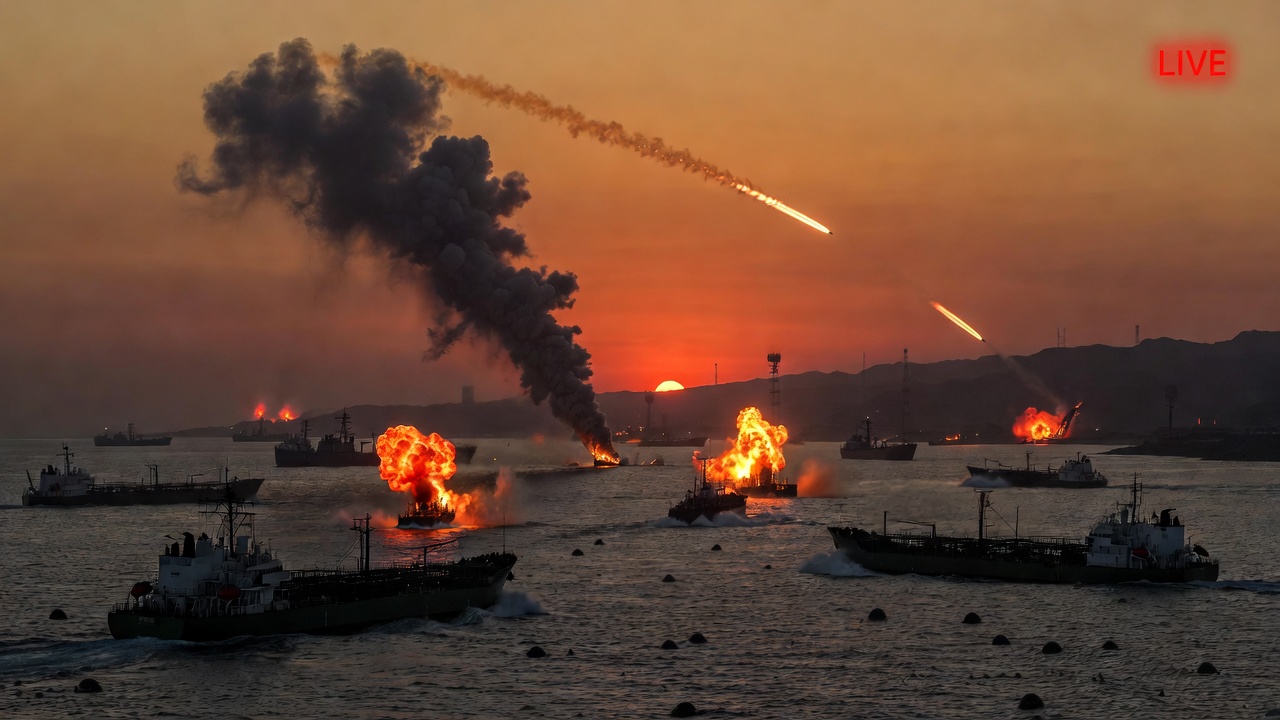
The international community has reacted with a mix of concern and condemnation. The United Nations has issued a statement calling for both parties to avoid military escalation and for continued dialogue to resolve the underlying issues peacefully. Several European powers have also expressed concern over the potential for a wider war in the region.
Meanwhile, Iran has denied any involvement in laying the mines and has warned of “grave consequences” if the U.S. continues its military actions in the region. Iran’s Supreme Leader Ali Khamenei has emphasized that Iran will defend its interests and sovereignty “at all costs,” even if that means a direct confrontation with the West.
What Happens Next?
The situation in the Strait of Hormuz remains volatile. While the U.S. military has made it clear that it will continue to protect global trade routes, Iran has also demonstrated its determination to confront Western influence in the region. The next few days could prove crucial in determining whether this skirmish escalates into a full-blown military conflict or whether diplomatic channels can prevent further bloodshed.
The U.S. Navy’s actions have sent a clear signal to Iran and the global community: the U.S. will not allow the Strait of Hormuz to be blocked or disrupted by hostile actions. The coming days will reveal whether this is enough to deter further Iranian provocations or if the region will descend into chaos.