Iran Missile Volley On Gulf: Saudi, UAE, Bahrain Face IRGC Fire Even As US-IDF Rain Hell On Tehran
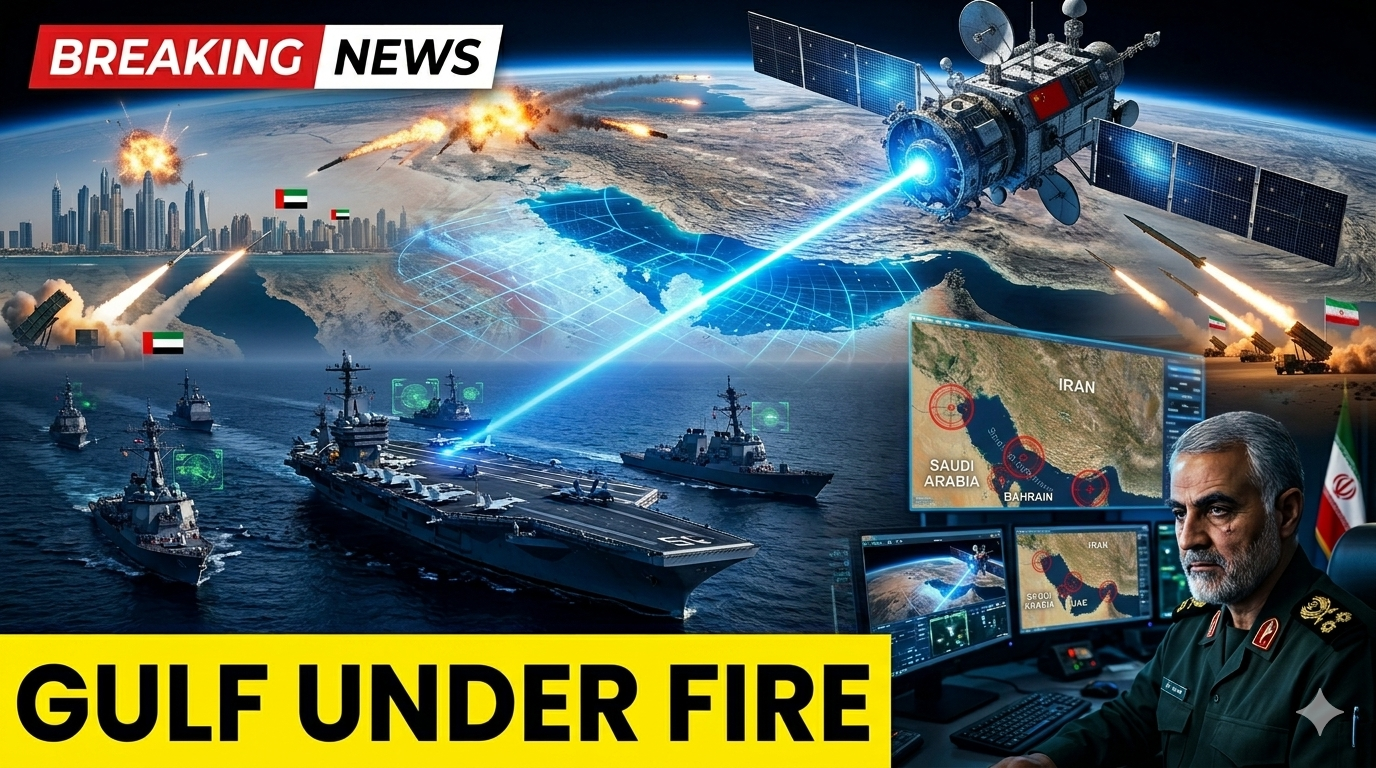
Iran Missile Volley On Gulf: Saudi, UAE, Bahrain Face IRGC Fire Even As US-IDF Rain Hell On Tehran
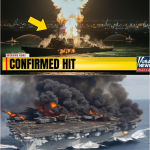
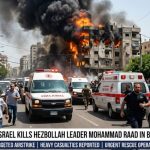
In a dramatic escalation of the conflict, Iran has launched a massive missile volley targeting Saudi Arabia, the UAE, and Bahrain, marking a new phase in the ongoing war in the Gulf. The missile barrage, reportedly fired by the Islamic Revolutionary Guard Corps (IRGC), has struck multiple critical infrastructure sites in these Gulf nations, further exacerbating tensions in the region. The attack comes as the U.S. and Israeli Defense Forces (IDF) continue their own aggressive military actions, focusing on Tehran’s military infrastructure in a bid to neutralize Iranian threats.
The IRGC Strikes Gulf Allies
The missile volley, which reportedly included both ballistic and cruise missiles, targeted key military and civilian sites across Saudi Arabia, the UAE, and Bahrain. In Saudi Arabia, missile strikes hit air defense systems and oil facilities, temporarily disrupting critical oil production in the region. Bahrain and the UAE also reported missile strikes on key installations, including military bases and oil infrastructure.
Iran’s military claims that the missile strikes were a direct retaliation against what it calls “foreign aggression” in the region, particularly Israel’s ongoing operations in Syria and the growing presence of U.S. military forces in the Gulf. The IRGC’s official statement emphasized that these attacks are a message to both regional and international powers that Iran will not tolerate foreign interference in its sphere of influence.
U.S. and Israeli Response: “Raining Hell” on Tehran
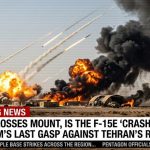
In response to the Iranian missile attacks on its Gulf allies, the U.S. and Israel have escalated their own military operations against Iran, focusing on its military infrastructure. The U.S. military, in coordination with the IDF, has launched precision airstrikes targeting Iranian missile silos, command centers, and military bases in Tehran and surrounding regions.
Reports indicate that the U.S. and Israeli forces have “rained hell” on Tehran, as one senior official described it, with a series of devastating airstrikes that have reportedly destroyed large portions of Iran’s missile launch capabilities and critical military assets. The joint air campaign is being hailed as a significant step toward neutralizing Iran’s offensive capabilities, although it is expected to provoke further retaliation from Tehran.
Iran’s Escalating Threats and Retaliation
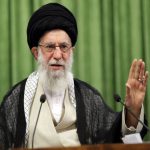
In a televised address, Iranian Supreme Leader Ayatollah Khamenei condemned the U.S. and Israeli airstrikes, vowing a “crushing response” to both the attacks on Iranian soil and the missile strikes on its Gulf allies. Khamenei declared that Iran would continue to target U.S. and Israeli assets, emphasizing that no country in the Gulf would be safe from Iran’s wrath if it continues to support “Zionist aggression” and U.S. military presence in the region.
Meanwhile, the IRGC’s Commander-in-Chief, Major General Hossein Salami, made a statement reiterating Iran’s readiness to strike back at any foreign military forces operating in the region, warning that the Gulf would no longer be a safe haven for U.S. or Israeli ships and personnel.
The Global Impact: Oil Markets and Diplomacy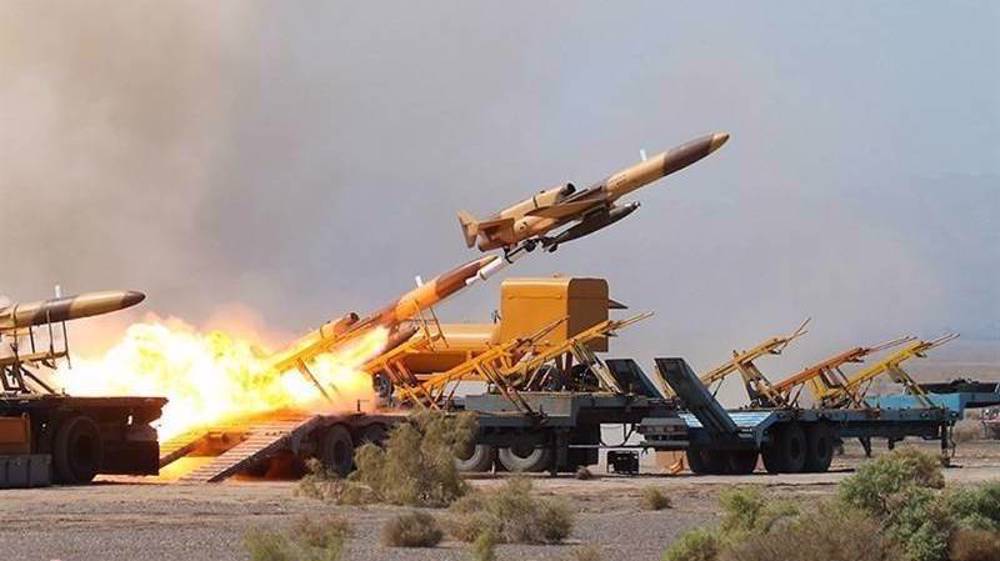
The attacks on Gulf oil infrastructure have already caused a significant disruption in global oil markets, with prices spiking as traders react to the possibility of further instability in the region. Saudi Arabia, the UAE, and Bahrain are all key players in global oil production, and any sustained damage to their infrastructure could have serious consequences for energy security worldwide.
In addition to the economic fallout, international diplomatic efforts are intensifying. The United Nations has called for an immediate ceasefire and de-escalation of hostilities, urging both the U.S. and Iran to return to negotiations. However, with both sides entrenched in their positions and escalating military actions, a diplomatic resolution seems unlikely in the short term.
What’s Next in the Gulf War?
As the conflict continues to intensify, the future of the Gulf remains uncertain. Iran’s missile strikes have shown that it is willing to target not only its direct adversaries but also its neighbors who align with U.S. and Israeli interests. With the U.S. and Israel continuing their air campaign against Iranian targets, the risk of a broader regional war grows.
The situation is also putting significant pressure on Saudi Arabia, the UAE, and Bahrain, all of whom face the dual challenge of managing the direct threat from Iran while trying to maintain regional stability. As the war drags on, the likelihood of further Iranian retaliation remains high, and it’s possible that other regional actors may become involved.
For now, the war in the Gulf seems poised to continue, with no clear resolution in sight, and the international community anxiously watching as the situation evolves.