US-Israel vs Iran War Day 12: US Destroys 16 Iranian Naval Vessels Near Hormuz
US-Israel vs Iran War Day 12: US Destroys 16 Iranian Naval Vessels Near Hormuz
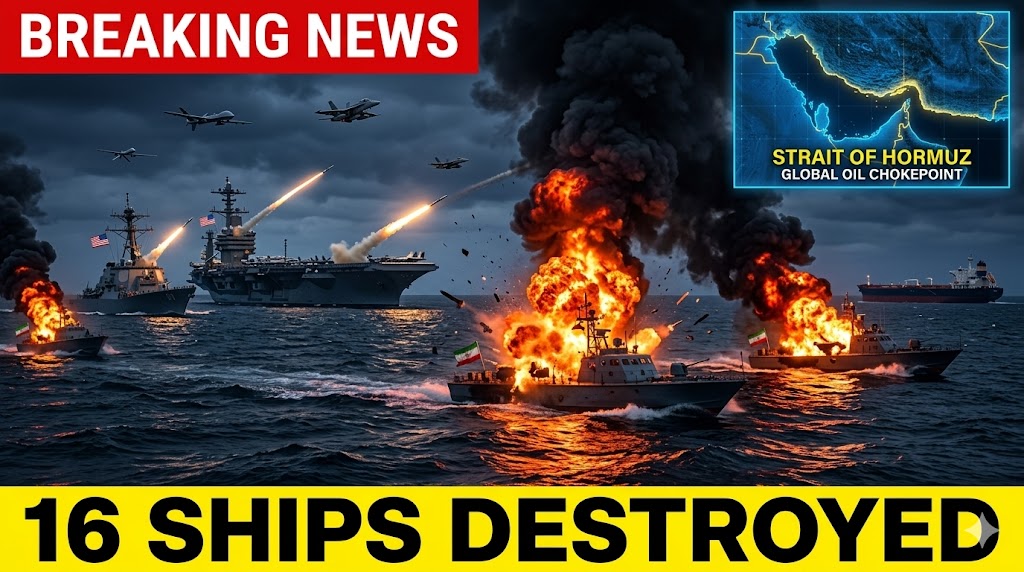
As the ongoing conflict between the U.S., Israel, and Iran intensifies, Day 12 of the war witnessed a significant military strike by the U.S. Navy, which successfully destroyed 16 Iranian naval vessels near the Strait of Hormuz. This escalation marks another critical chapter in the escalating hostilities between the three nations, which have dominated headlines for nearly two weeks.
U.S. Navy Strikes Iranian Naval Assets
The U.S. Navy launched a series of targeted airstrikes on Iranian naval vessels stationed in and around the Strait of Hormuz, a vital maritime chokepoint through which a substantial portion of the world’s oil trade flows. The strikes, reportedly executed using precision-guided missiles, are being hailed as a major victory in the U.S. military’s ongoing efforts to maintain freedom of navigation in the region and to neutralize Iranian naval capabilities.
The Iranian vessels, which were believed to be involved in mine-laying operations or in preparing for further military actions against shipping lanes, were struck swiftly and decisively. According to U.S. military sources, all 16 naval vessels were completely destroyed, further reducing Iran’s ability to interfere with maritime traffic in the strategic waterway.
The Strategic Importance of Hormuz
The Strait of Hormuz is one of the world’s most crucial oil transit routes, with around 20% of global oil shipments passing through the waterway daily. Any disruption of shipping in the region could have significant consequences for global oil prices and economic stability. Iran has long threatened to block or disrupt traffic in the Strait as a means of leveraging political and military power, especially in response to perceived foreign intervention in the region.
The U.S. Navy’s actions to eliminate Iranian naval threats come as part of a broader strategy to ensure the safety of commercial shipping routes and to prevent any further Iranian provocations that could destabilize global energy markets.
Israel’s Involvement: Airstrikes on Iranian Targets
While the U.S. has focused on naval operations, Israel has continued its airstrike campaign against Iranian military infrastructure in the region. Israeli jets reportedly targeted and destroyed several high-value Iranian military installations in Syria and Iraq, further intensifying the pressure on Tehran.
Israel’s involvement is part of its broader strategy to counter Iranian influence in the region, particularly its presence in Syria and its backing of proxy forces across the Middle East. Israeli officials have made it clear that they will not hesitate to use military force to protect their national security interests and to prevent Iran from establishing a permanent foothold in Syria and Iraq.
Iran’s Retaliation and Threats
In response to the destruction of its naval assets, Iran has vowed to retaliate against both the U.S. and Israel. The Iranian government has repeatedly warned of severe consequences if its sovereignty and military assets are attacked, and the destruction of these vessels is expected to be met with further escalation.
Iranian officials have also indicated that they will continue their efforts to disrupt oil shipments through the Strait of Hormuz, using asymmetric tactics like drone strikes, mine-laying, and missile attacks. The Iranian military has also threatened to target U.S. and Israeli assets in the region, with some experts predicting further clashes as the conflict progresses.
Global Reactions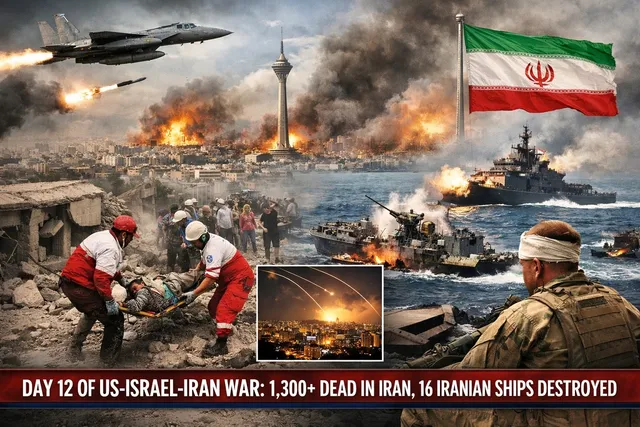
The international community has expressed deep concern over the escalation of hostilities. While some countries have voiced support for the U.S. and Israel’s actions to ensure the security of global trade, others have called for a de-escalation of tensions and a return to diplomatic negotiations.
The United Nations has called for an immediate ceasefire between the involved parties, urging all sides to refrain from further military action and to engage in dialogue to prevent a broader regional war. Meanwhile, global oil markets have responded nervously, with oil prices spiking due to the growing instability in the Gulf.
The Path Forward
As the conflict enters its second week, the situation remains fluid and unpredictable. Both the U.S. and Israel are likely to continue their military operations in the region, while Iran is expected to adopt a more aggressive posture in the coming days.
The destruction of 16 Iranian naval vessels is a significant blow to Iran’s military capabilities, but it is unlikely to mark the end of hostilities. The question remains whether the international community can broker a ceasefire or if the war will continue to escalate, potentially drawing in more regional powers and threatening further disruptions to global energy supplies.