Inside US’ Hormuz Flip-Flop, Deleted Tweet After Claim | Trump’s Navy Escorted Oil Tanker?
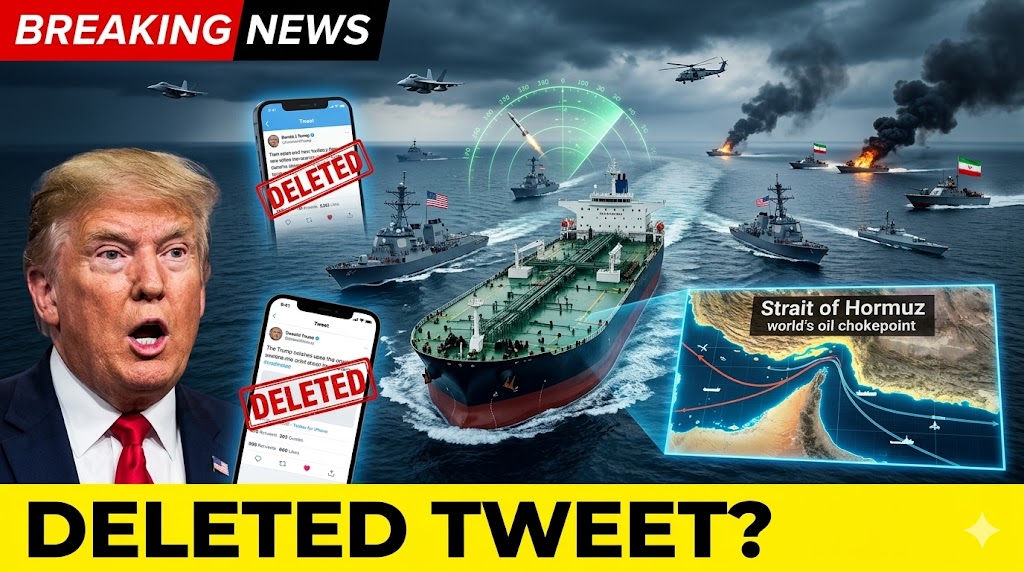
Iran War: Inside US’ Hormuz Flip-Flop, Deleted Tweet After Claim | Trump’s Navy Escorted Oil Tanker?
Amid growing tensions in the Strait of Hormuz, a confusing series of events surrounding U.S. military actions has led to questions over Washington’s response strategy to Iranian provocations. A recently deleted tweet from a high-ranking U.S. official sparked controversy by claiming that the U.S. Navy had escorted an oil tanker through the Strait of Hormuz, contradicting previous statements about U.S. military involvement in commercial shipping security.
The Deleted Tweet and Immediate Backlash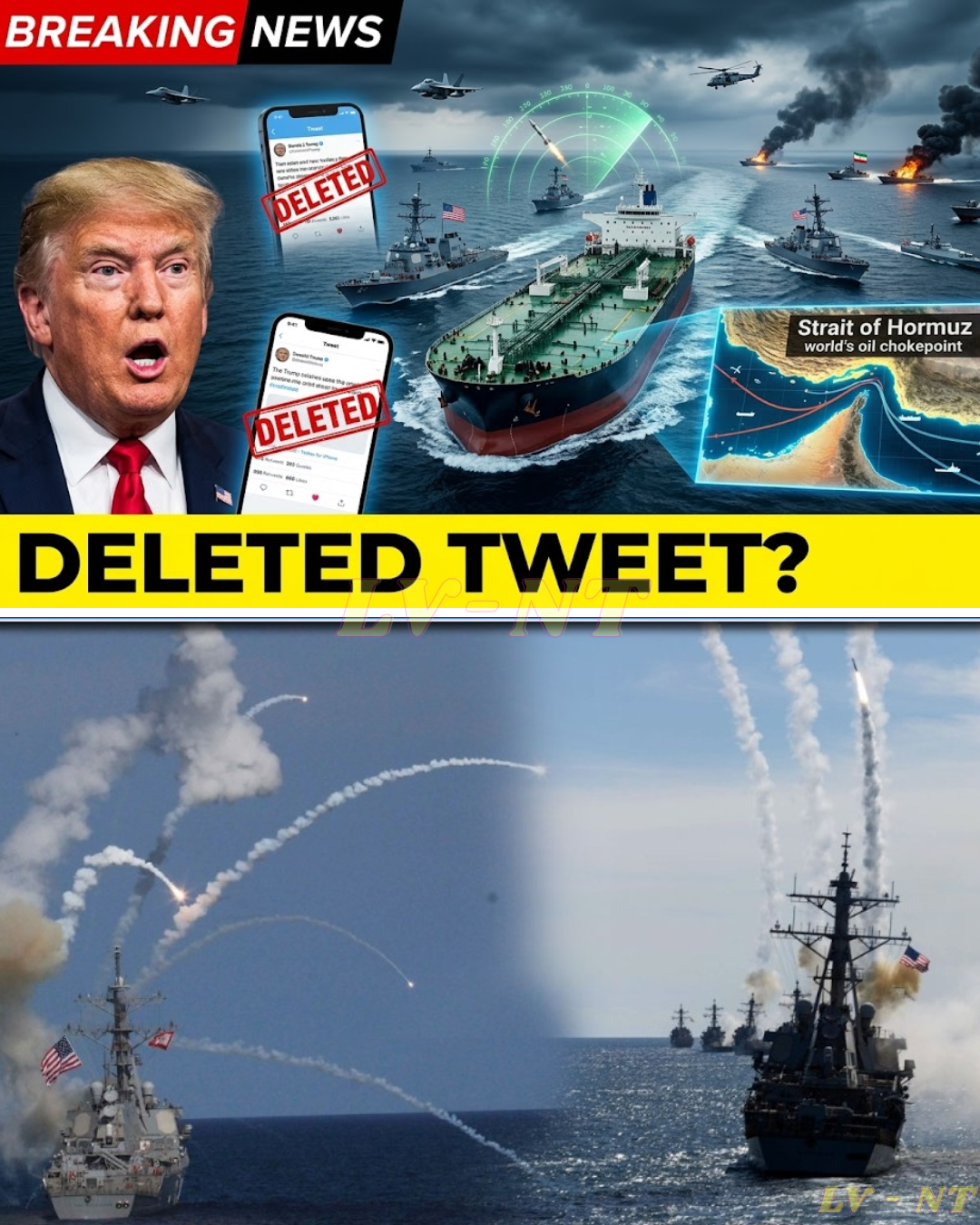
The tweet, which was posted and quickly deleted by an official Twitter account connected to the U.S. Department of Defense, claimed that the U.S. Navy had escorted a commercial oil tanker through the Strait of Hormuz in a move to ensure its safety amid rising Iranian aggression. The message read: “Our Navy is actively escorting oil tankers through Hormuz. No ship will be left unprotected.”
The tweet was quickly removed, with no official explanation for its deletion. However, the statement triggered a flurry of questions regarding U.S. military operations in the region. Analysts were quick to note that previous communications from the Pentagon had downplayed the idea of direct U.S. military involvement in escorting civilian vessels, focusing instead on securing shipping lanes through naval presence and surveillance.
Some have speculated that the tweet could have been posted in error, while others believe it may have been part of a strategic shift in the U.S.’s posture in the Gulf following mounting Iranian provocations.
The U.S. Navy’s Role in the Strait of Hormuz
The Strait of Hormuz, a vital shipping route for global oil trade, has long been a flashpoint between the U.S. and Iran. Tensions have escalated following a series of attacks on commercial vessels, including tanker sabotage and drone strikes allegedly carried out by Iranian forces or Iranian-backed militias. The U.S. has repeatedly warned Iran against interfering with maritime traffic in the region, and military assets have been positioned to ensure freedom of navigation.
While the U.S. Navy has significantly increased its presence in the Gulf, its role has largely been focused on deterrence rather than active protection of individual commercial vessels. The Pentagon has emphasized that it is committed to maintaining maritime security but has not publicly committed to direct military escorts for oil tankers—at least not until now.
If confirmed, the claim of direct U.S. Navy escorts for oil tankers would mark a significant shift in strategy, potentially escalating tensions with Iran, which has already threatened to block the Strait in retaliation for perceived foreign interference.
Iran’s Warning: “No Tanker Will Pass”
In response to increasing U.S. military presence in the region, Iranian officials have continued to escalate their rhetoric, vowing to prevent the passage of oil tankers through the Strait of Hormuz if provoked. Iranian military leaders, including those from the Islamic Revolutionary Guard Corps (IRGC), have warned that they will not allow a “single liter” of oil to pass through the Strait unless Iran’s interests are respected.
In recent months, Iran has been accused of using a variety of tactics to disrupt shipping, including missile attacks on commercial vessels and laying mines in the Gulf. The U.S. Navy’s reported decision to escort oil tankers could be seen as a direct response to these actions, with Washington signaling its willingness to defend the free flow of trade in the region.
Trump’s Navy or an Overstatement?
The controversial tweet also raised questions about former President Trump’s role in U.S. military actions in the region. During his tenure, Trump emphasized a “maximum pressure” campaign against Iran, leading to significant increases in military deployments in the Gulf. However, under President Joe Biden, the U.S. has focused more on diplomacy and deterring Iranian aggression through multilateral partnerships rather than direct military intervention.
The tweet’s mention of “Trump’s Navy” may have been a reference to the strategic decisions made during the Trump administration, where military force was used more openly as a tool of deterrence. Whether the U.S. Navy is indeed escorting tankers or whether this was a statement made in error remains unclear, but the possibility of military escalation in the region is a real concern for both the U.S. and its allies.
The Bigger Picture: Tensions Mounting
The question of whether the U.S. Navy is actively escorting oil tankers through the Strait of Hormuz is only one part of the growing uncertainty in the region. With Iran’s continued threats to disrupt maritime traffic and the U.S. military’s increasing presence in the Gulf, the potential for further military conflict is high. Diplomatic efforts to de-escalate tensions between Washington and Tehran have yet to yield concrete results, and the situation remains fluid.
For global oil markets, any disruption in the Strait of Hormuz could have immediate consequences, including rising oil prices and further instability in international shipping. As tensions continue to rise, all eyes will be on the U.S. and Iran to see whether this flashpoint leads to further escalation or if cooler heads prevail.