Iran Under Attack: Thick Smoke Envelopes Tehran After Strikes on Oil Facilities Ignite Massive Fires
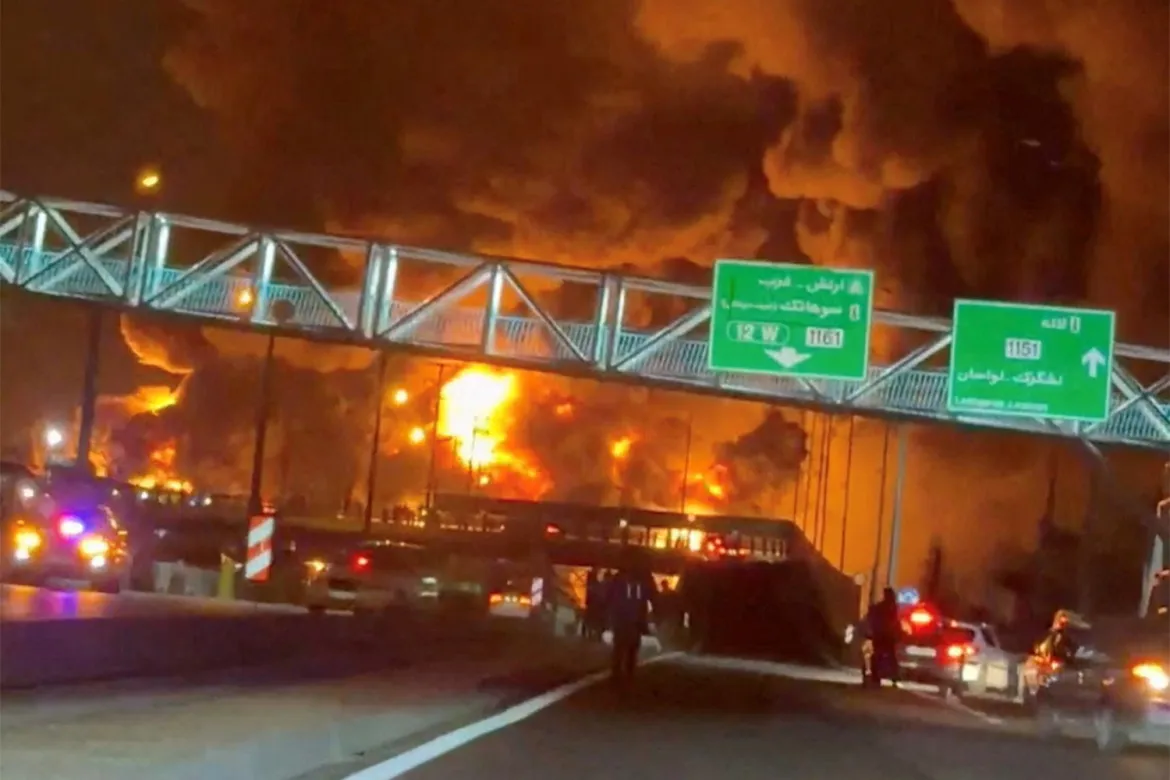
Iran Under Attack: Thick Smoke Envelopes Tehran After Strikes on Oil Facilities Ignite Massive Fires
Introduction:
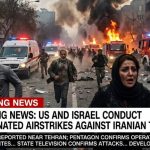
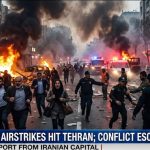
Iran’s capital, Tehran, is engulfed in thick smoke following a series of intense airstrikes on key oil facilities. The strikes, which have been attributed to U.S. military operations as part of the ongoing U.S.-Iran conflict, have ignited massive fires across several strategic oil infrastructure sites in the region. These attacks represent a major escalation in the already volatile situation, with global markets, regional powers, and international organizations bracing for further instability.
The Strikes and Their Impact:
The attacks, which occurred in the early hours, targeted oil refineries and storage facilities located on the outskirts of Tehran. Videos and images from the scene show towering infernos and billowing clouds of smoke, with flames visible for miles. The damage to these facilities is expected to disrupt Iran’s oil production significantly, adding to the country’s economic struggles amid already-tight sanctions imposed by the U.S. and its allies.
Iranian state media has confirmed the strikes, but has yet to provide a full assessment of the extent of the damage. Authorities are scrambling to contain the fires, which have also threatened nearby industrial complexes. Emergency services have been deployed, but officials expect the fires to burn for several hours, if not days.
U.S. and Israeli Involvement:
Sources close to U.S. military officials have confirmed that the strikes are part of the ongoing operations against Iranian military targets, particularly its missile and nuclear capabilities. While the U.S. has not explicitly confirmed direct involvement in this specific attack, its ongoing “maximum pressure” campaign against Iran has increased the likelihood of such operations. The timing follows heightened rhetoric from President Donald Trump, who has previously vowed to “raze Iran’s missile industry to the ground.”
Israel has also been a vocal partner in the U.S.-led efforts against Iran, with its own military strikes targeting Iranian interests across the Middle East, especially in Syria and Iraq. Given the involvement of Israeli forces in previous operations against Iran’s oil and military facilities, it’s possible that Israeli forces were also involved in the latest attacks.
Iran’s Response:
Iran’s immediate response has been one of defiance. Officials have condemned the attacks, calling them “acts of war” and accusing the U.S. and Israel of violating international law. Iranian President Ebrahim Raisi has vowed to retaliate, with military commanders stating that Iran will respond “swiftly and decisively” to any further acts of aggression.
“We will not allow the theft of our resources or the weakening of our sovereignty,” Raisi declared in a national address. “Iran’s military and strategic capacities will remain intact, and any attack will be met with severe consequences.”
Economic and Regional Ramifications:
The strikes on Iran’s oil facilities come at a time when global oil prices are already volatile due to ongoing geopolitical tensions. The disruption of Iranian oil exports will only exacerbate the strain on global energy markets, which are already grappling with supply chain issues and inflationary pressures.
For the region, the attacks have raised concerns about the potential for wider conflict. Countries like Saudi Arabia, Iraq, and the United Arab Emirates are watching closely, fearful that the ongoing U.S.-Iran standoff could spill over into a broader regional conflict. These nations, many of which have strained relations with Iran, are caught between their alliances with the U.S. and their need to maintain stability in the Middle East.
Global Reactions: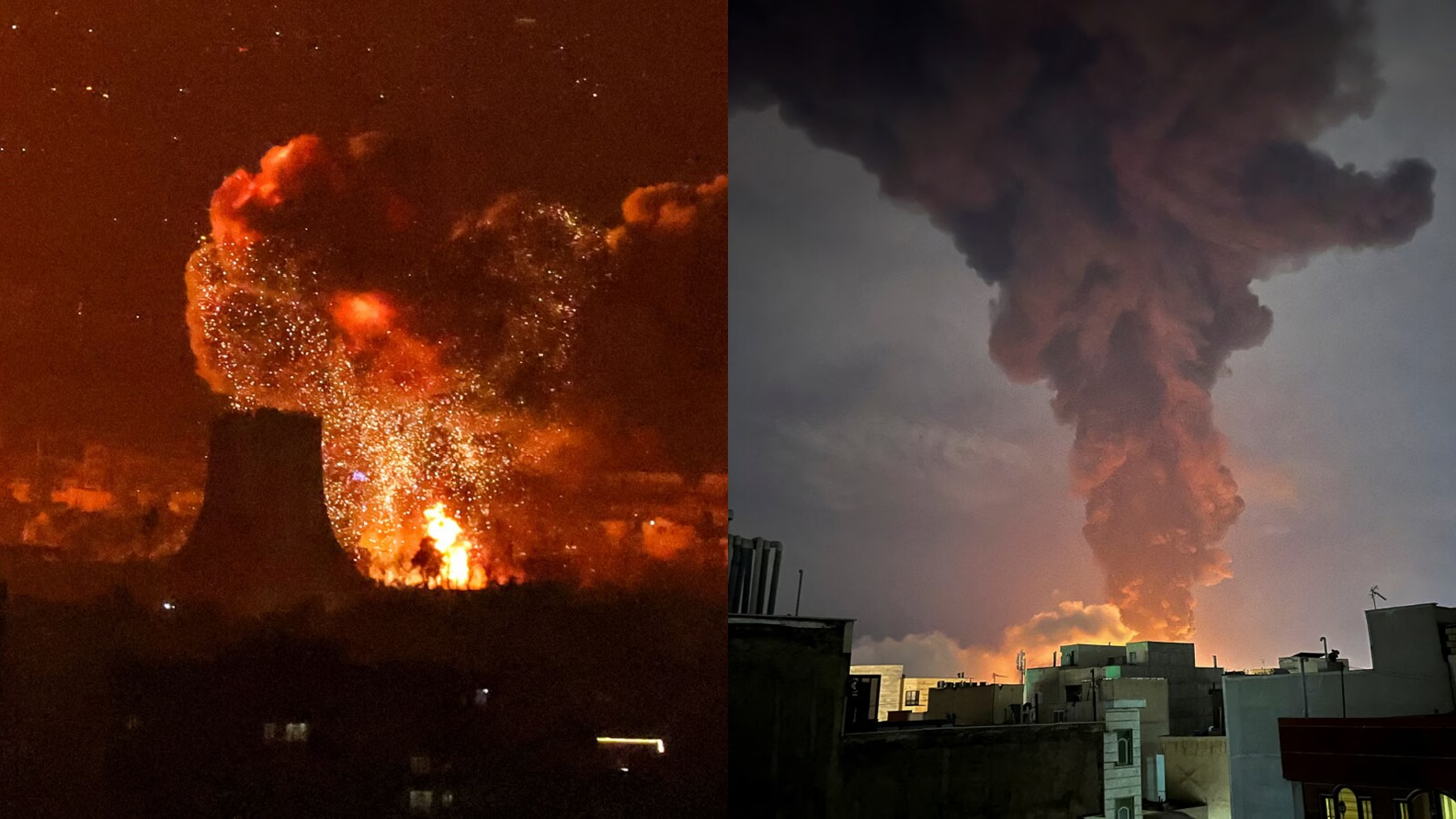
The international community has expressed concern over the escalating violence. European powers, including France and Germany, have called for an immediate ceasefire and for both sides to return to diplomatic negotiations. However, the U.S. and its allies appear increasingly focused on military strategies to curb Iran’s regional influence and military capabilities.
The United Nations has called for an emergency meeting to discuss the developments, but with both the U.S. and Iran digging in their heels, the possibility of diplomacy seems unlikely in the near future.
Conclusion:
The strikes on Iran’s oil facilities mark a dramatic escalation in the conflict between the U.S. and Iran, with global economic and political ramifications. As Tehran recovers from the immediate damage, the larger question remains: Will these attacks lead to a broader, full-scale conflict in the Middle East, or will they prompt renewed diplomatic efforts to de-escalate tensions?
As the world watches, the future of U.S.-Iran relations hangs