US Central Command Releases New Videos of Strikes on Iranian Military Targets Amid Rising Tensions
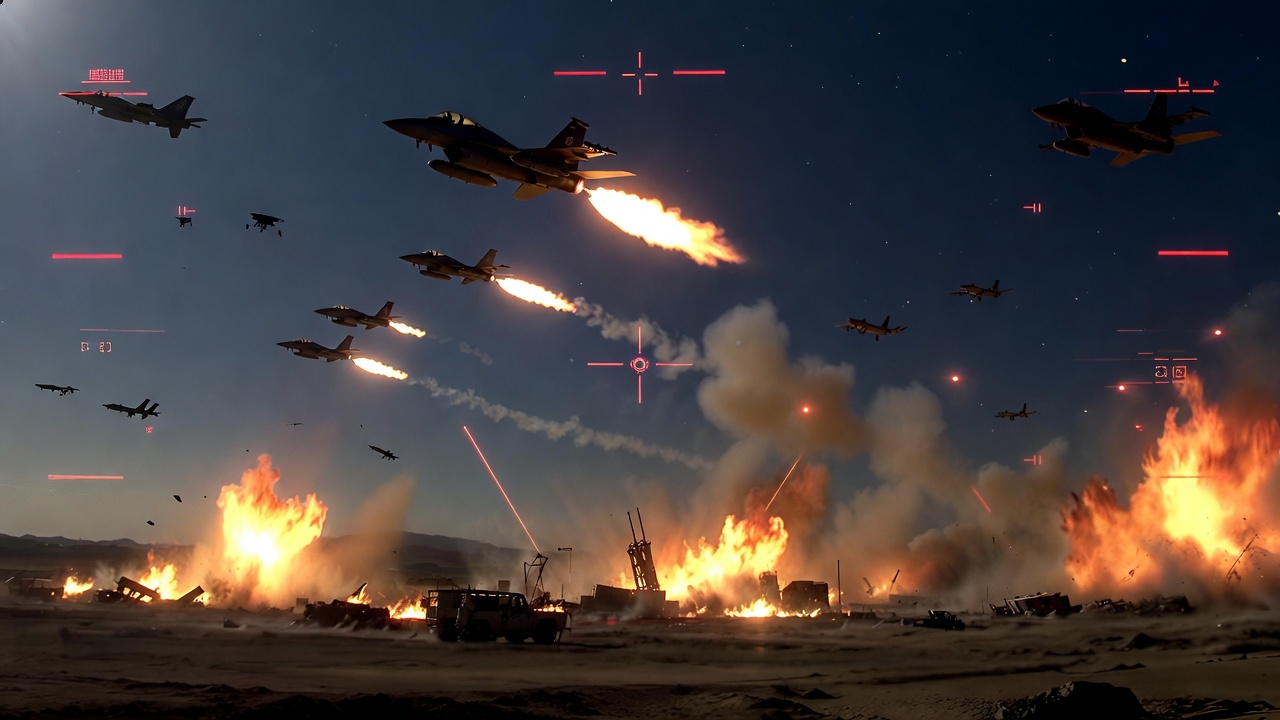
US Central Command Releases New Videos of Strikes on Iranian Military Targets Amid Rising Tensions
Introduction:
The United States Central Command (CENTCOM) has released new footage showing US military forces allegedly targeting key Iranian military sites as part of the ongoing operation, Operation Epic Fury. The operation follows a major escalation in US-Iran tensions, particularly after joint US-Israel military operations launched against Iran on February 28, which have seen both countries intensifying their offensive actions against Tehran’s missile infrastructure.
Operation Epic Fury and the Strike on Iranian Targets:
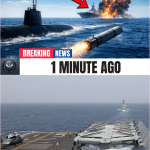
The new CENTCOM videos depict airstrikes targeting Iranian military facilities, with specific attention to missile sites believed to be crucial to Iran’s defense capabilities. The videos highlight the precision of the strikes, with explosions and fires engulfing the targeted compounds.
According to CENTCOM, the strikes were part of a broader military strategy aimed at neutralizing Iran’s missile production capabilities, specifically targeting infrastructure that could be used for the development and deployment of long-range missiles. These operations are said to be part of a continuing effort to degrade Iran’s military strength, which has become a primary concern for the US and its allies in the region.
Trump’s Bold Vow: “Raze Their Missile Industry to the Ground”:
The escalated actions follow a direct statement by then-President Donald Trump, who vowed to “raze their missile industry to the ground” during a meeting with defense officials. Trump’s rhetoric, as well as the military actions that followed, signaled a shift toward more aggressive measures aimed at crippling Iran’s missile and defense capabilities.
“We will not allow Iran to gain the ability to strike the US or our allies with nuclear or conventional missile threats,” Trump said in his statement, which garnered widespread international attention. His words reflected the urgency the US has placed on neutralizing Iran’s missile potential, which has been a point of friction for years, especially with the development of ballistic missiles and their possible nuclear delivery capability.
Impact on US-Iran Relations:
The escalation has sparked concerns about the potential for a full-scale conflict between the two nations. While these military actions seem to be focused on disabling Iran’s missile industry, they also represent a broader strategy to weaken Iran’s ability to wage conventional warfare. The attacks are also seen as part of the ongoing “maximum pressure” campaign by the US, which has been ramped up in recent years under both Trump and his successor.
Iran has condemned these military actions, describing them as violations of international law and an escalation that could lead to catastrophic consequences. Iran’s response remains to be seen, but it is expected that they may retaliate through cyber-attacks, missile strikes, or proxy group operations across the Middle East.
Israeli Involvement and Broader Regional Impact:
Israel’s role in these operations has been a key factor in the rising tensions. The US and Israel have long been allies in opposing Iran’s influence in the region. The joint operations on February 28 targeted Iranian military positions in Syria, Iraq, and other strategic locations that Iran has used to transport weapons and support its proxy forces in Yemen, Lebanon, and beyond.
For Israel, Iran’s presence in Syria and its ongoing support for Hezbollah in Lebanon remain key national security concerns. As Israel coordinates with the US, it seeks to neutralize any Iranian threat in the region, particularly in regard to missile technology and nuclear ambitions.
Global Reactions and Diplomatic Fallout:
The latest military escalation has further polarized the international community. European leaders, traditionally more supportive of diplomatic engagement with Iran, have expressed concern over the military actions and their potential to escalate into a broader conflict.
At the same time, some regional powers, particularly those aligned with the US and Israel, have voiced support for the strikes, arguing that it is essential to curb Iran’s missile and nuclear ambitions to ensure regional stability.
Conclusion: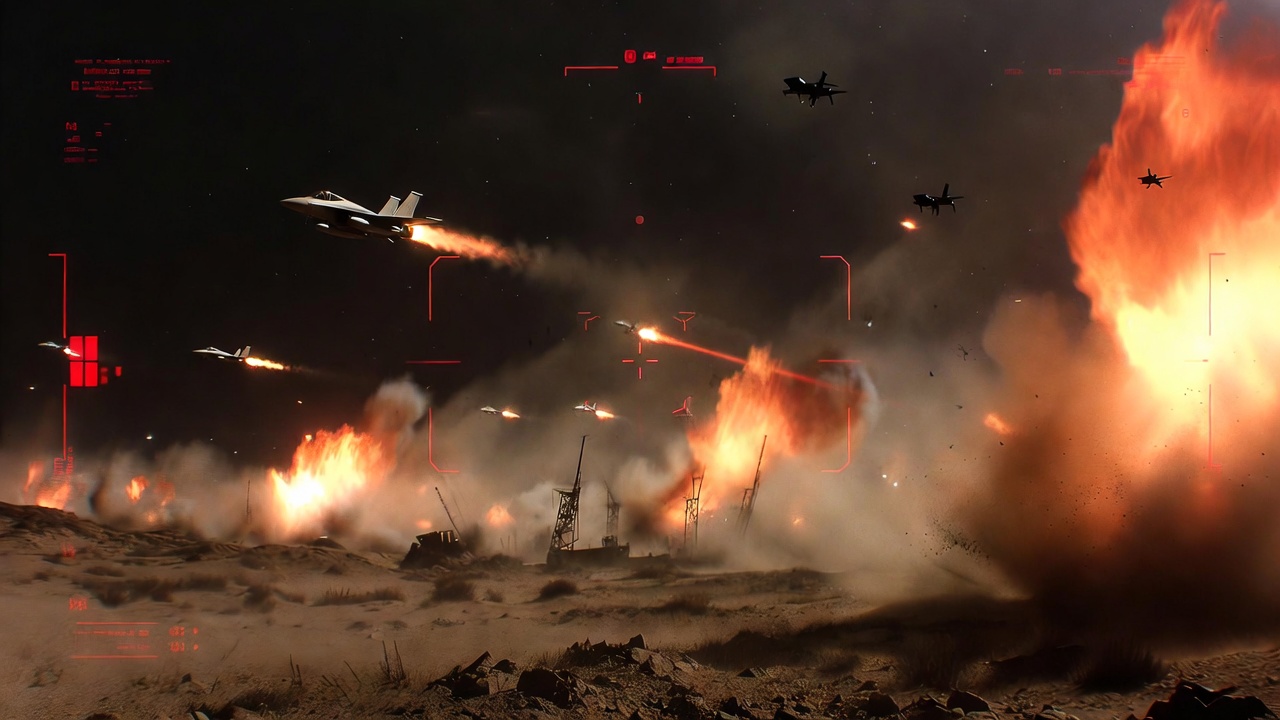
The release of CENTCOM videos showing the latest strikes on Iranian military infrastructure signals that Operation Epic Fury is a significant part of the US’s military strategy in the region. As tensions continue to escalate, the possibility of direct conflict between the US and Iran remains high, with both sides preparing for a potentially prolonged military engagement. The international community’s response will be crucial in determining whether diplomatic efforts can de-escalate the situation or if the Middle East is on the brink of a larger war.