US-Iran War: IRGC Claims Iran Is Prepared for Full-Scale Conflict for Six Months
US-Iran War: IRGC Claims Iran Is Prepared for Full-Scale Conflict for Six Months
Introduction:
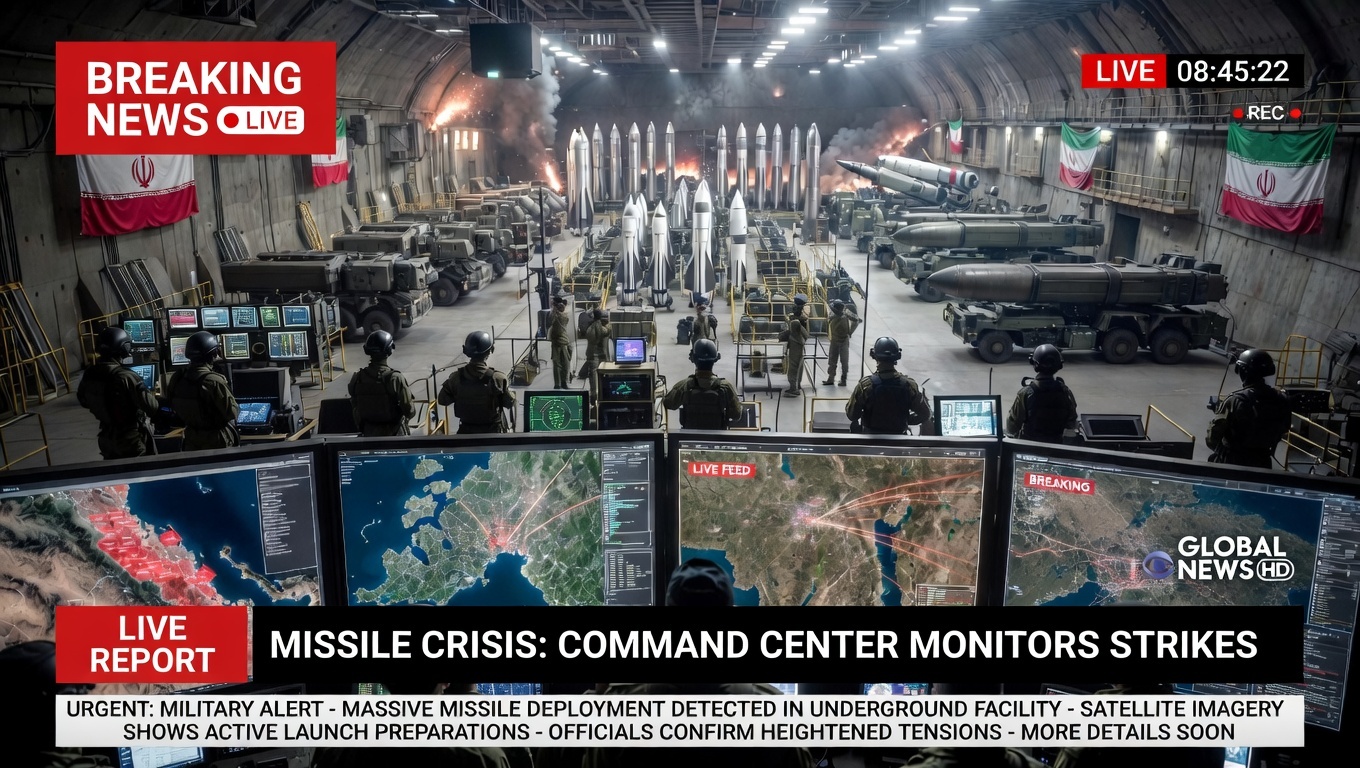
In a bold and alarming statement, the Islamic Revolutionary Guard Corps (IRGC) of Iran has claimed that the country is prepared for a full-scale war lasting up to six months. The statement comes as tensions between the United States and Iran continue to escalate, following a series of military clashes, airstrikes, and proxy conflicts across the Middle East. The IRGC’s readiness for prolonged conflict signals a potential new phase in the ongoing standoff between the two nations.
IRGC’s Preparedness Statement:
The IRGC spokesperson emphasized Iran’s preparedness for an extended conflict, asserting that the nation has fortified its military capabilities, secured strategic reserves, and developed new weaponry that can withstand prolonged warfare. The statement highlighted that Iran’s forces are ready to deal with the possibility of “a full-scale war” and have developed strategies to endure six months of sustained combat.
“The Islamic Republic is ready for a six-month war, regardless of the scale or the number of adversaries,” the spokesperson declared in a public statement. “Our forces are fully equipped and trained to defend our borders and interests, whether through direct confrontation or indirect warfare.”
Escalating US-Iran Tensions:
The tensions between the US and Iran have steadily worsened over the past few years, with multiple flashpoints, including disputes over Iran’s nuclear program, the US withdrawal from the 2015 nuclear deal, and the subsequent imposition of sanctions. These tensions were further exacerbated by military actions such as drone strikes, missile exchanges, and clashes involving US forces and Iranian-backed militias in Iraq and Syria.
Iran’s Military Readiness:
The IRGC’s statement is likely a response to recent US military activity in the region, which includes the deployment of additional forces and military assets to the Middle East. Iran has consistently maintained that it will not back down in the face of foreign pressure and will defend itself using all available means.
Iran’s missile and drone capabilities, which have been demonstrated in several high-profile attacks on Saudi oil facilities and US military bases, are seen as key components of their strategy. The IRGC has also developed a wide network of proxy groups across the region, giving Iran the ability to strike at US interests indirectly through militias in Iraq, Lebanon, Yemen, and Syria.
US Reactions and Diplomatic Efforts: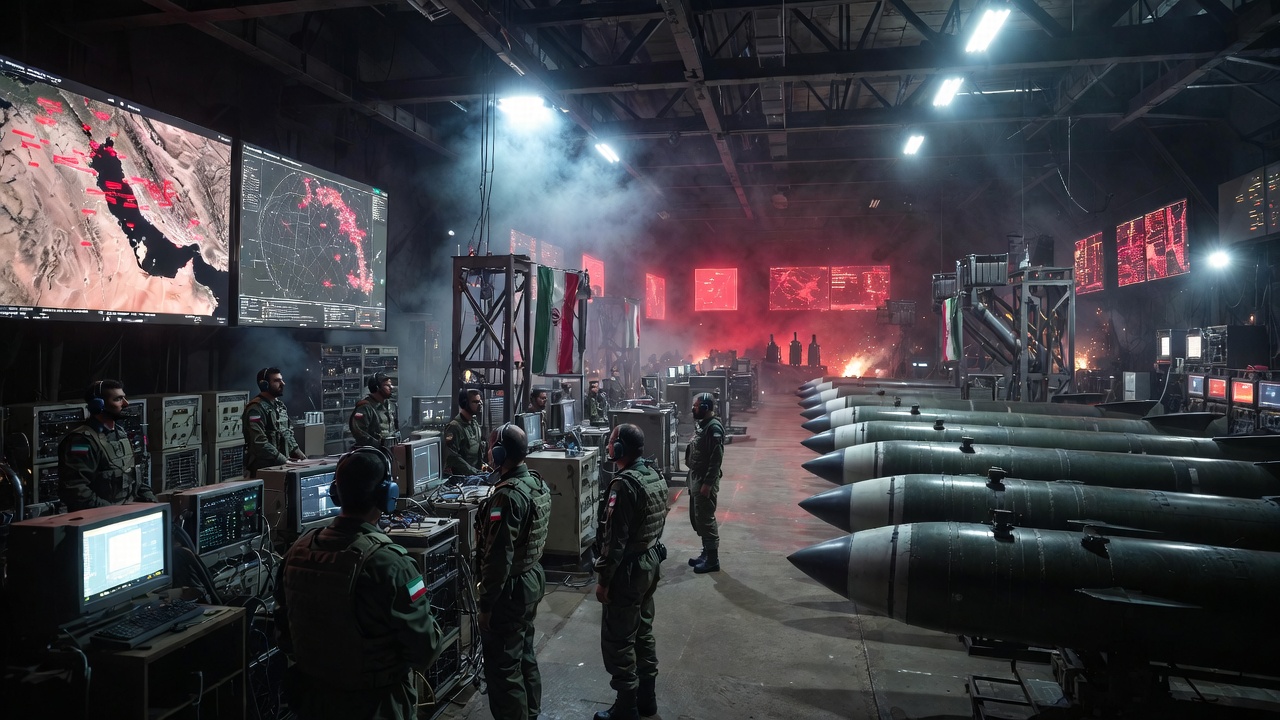
In response to these claims, the United States has reiterated its commitment to deterring Iranian aggression, while continuing to engage diplomatically with allies and partners in the Middle East. US officials have not ruled out military action, but there has been an ongoing effort to de-escalate tensions through backchannel negotiations and multilateral discussions.
However, experts warn that the rhetoric from both sides could lead to a miscalculation or unintended conflict, especially if either side takes aggressive actions that trigger a direct military clash.
International Concerns:
The international community is closely monitoring the situation, particularly in light of the growing instability in the region. Countries like Israel, Saudi Arabia, and the UAE have expressed concern over Iran’s military buildup and its aggressive stance toward the US and its allies.
Many regional powers are urging both Iran and the US to avoid further escalation, as any large-scale conflict would likely lead to significant casualties and destabilize the broader Middle East, with global repercussions.
Conclusion:
As the US-Iran standoff continues to unfold, the IRGC’s claim of being prepared for a full-scale war for six months is a stark reminder of the fragility of peace in the region. With both sides building up military resources, the possibility of direct confrontation remains ever-present. Whether diplomacy can avert the looming threat of war or if tensions will boil over into a full-scale conflict is still uncertain, but the international community’s concerns are mounting.