Iran attacks Israeli Defense Ministry building; US declares no plans to deploy ground troops to Iran. NT
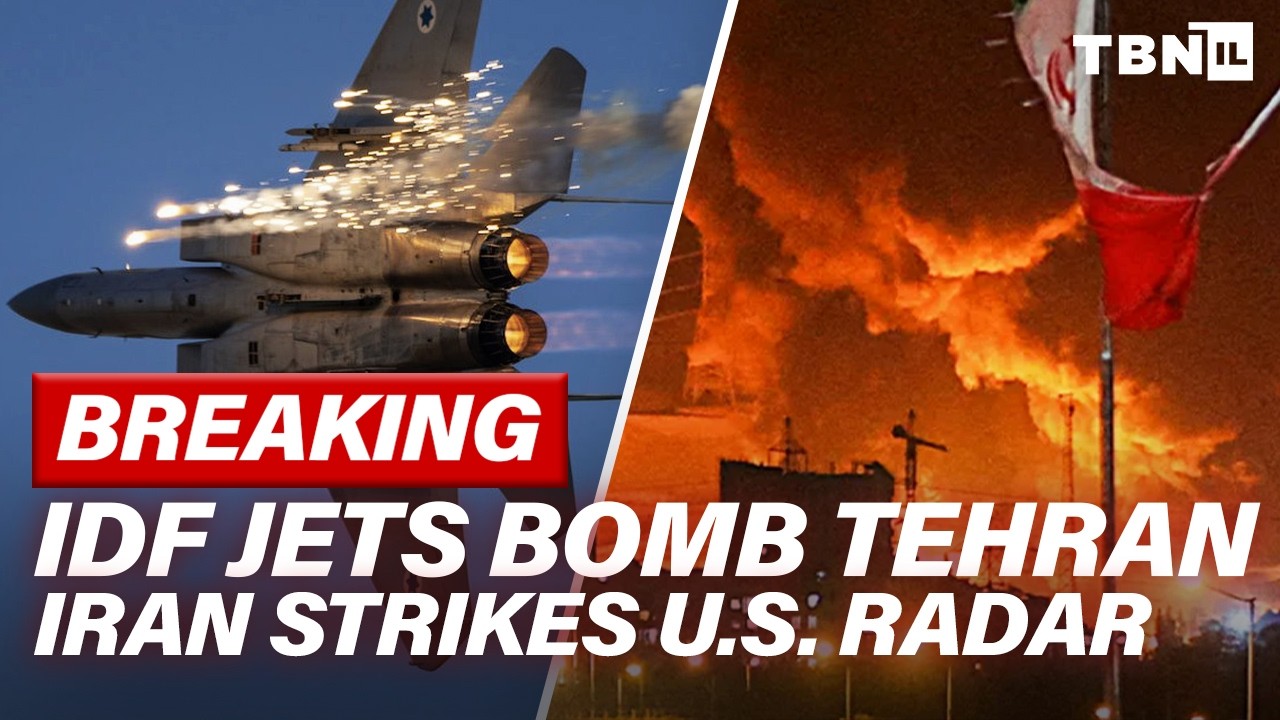
Neither the U.S. nor Israel has the political will to deploy ground troops to Iran, while regime change is unlikely without a military presence, said MEP Sven Mikser.
What stage has this attack — or this war, as it may already be called — in Iran reached? The United States and Israel have carried out their strikes and Iran has begun retaliating. What stage is the conflict at and who currently has the upper hand? Have the strikes by Israel and the United States dealt Iran a devastating blow?
The asymmetry in military capabilities is certainly very significant. The ability of the Americans and the Israelis to carry out precision strikes against both Iran’s leadership and its military targets is impressive. Iran does have a certain capacity to inflict damage on countries in the region, focusing primarily on United States interests, and the Americans maintain several important military bases in the region.
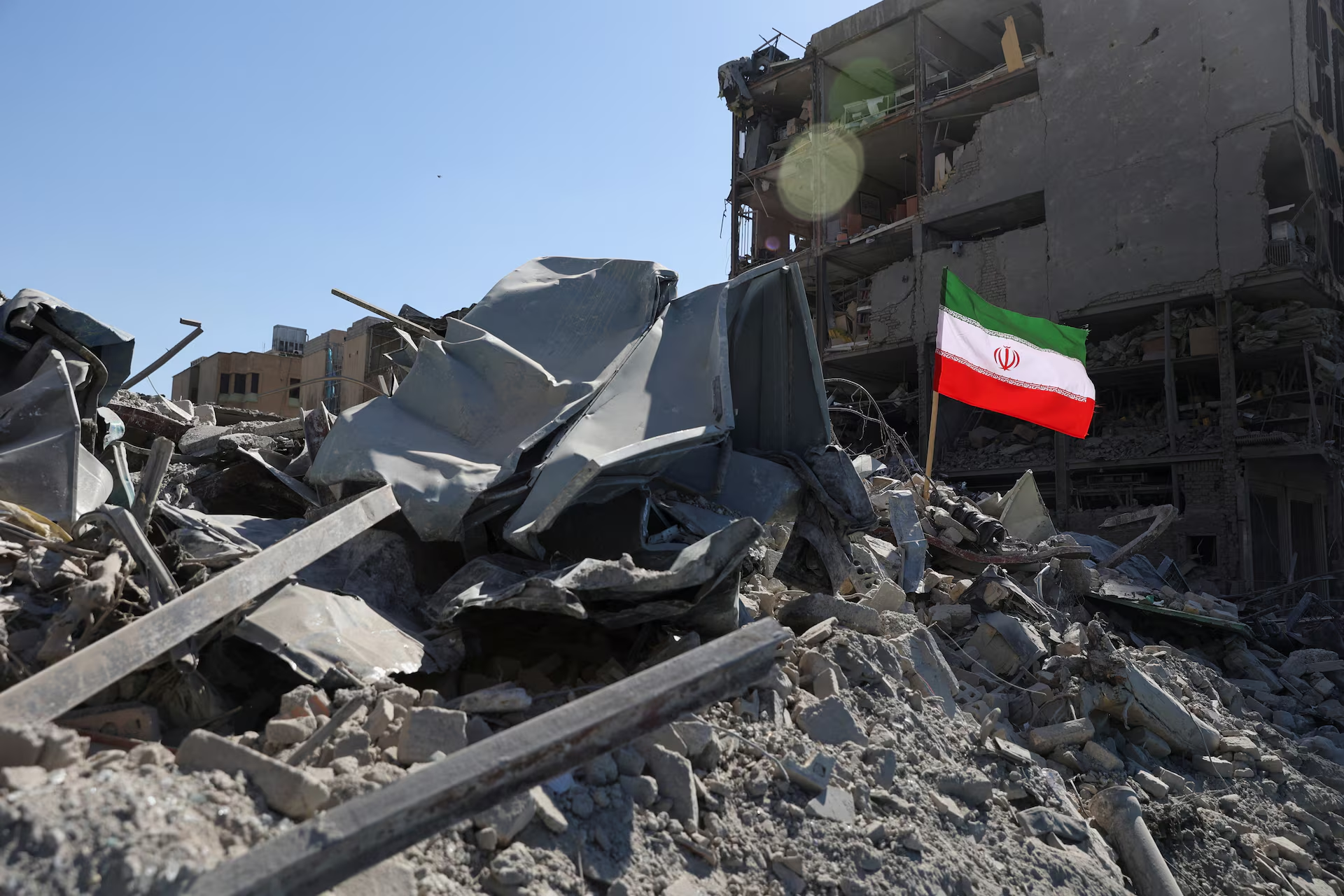
It can be said that, militarily, the United States and Israel clearly have the upper hand. However, achieving all strategic objectives through airstrikes alone is difficult, if not impossible. The Iranian regime has undoubtedly chosen the path of what could be described as a final struggle.
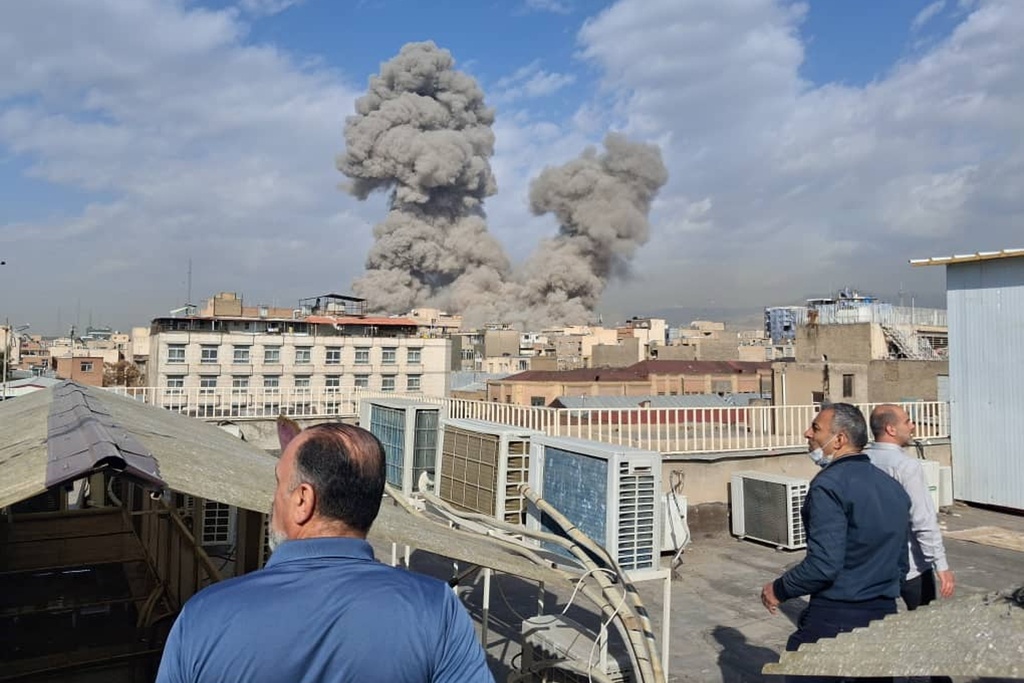
It continues to control all armed structures within the country and so far there are no signs of a shift toward the people or the opposition. Under such a repressive regime, it has been extremely difficult — if not impossible — for the political opposition to organize. This means there is no clear opposition leader currently operating inside Iran. Organized political opposition continues to exist primarily in exile, which certainly complicates the possibility of a swift and painless transfer of power.