Rising Middle East Tensions Threaten Global Stability and Economic Development
- NgocTram
- March 6, 2026
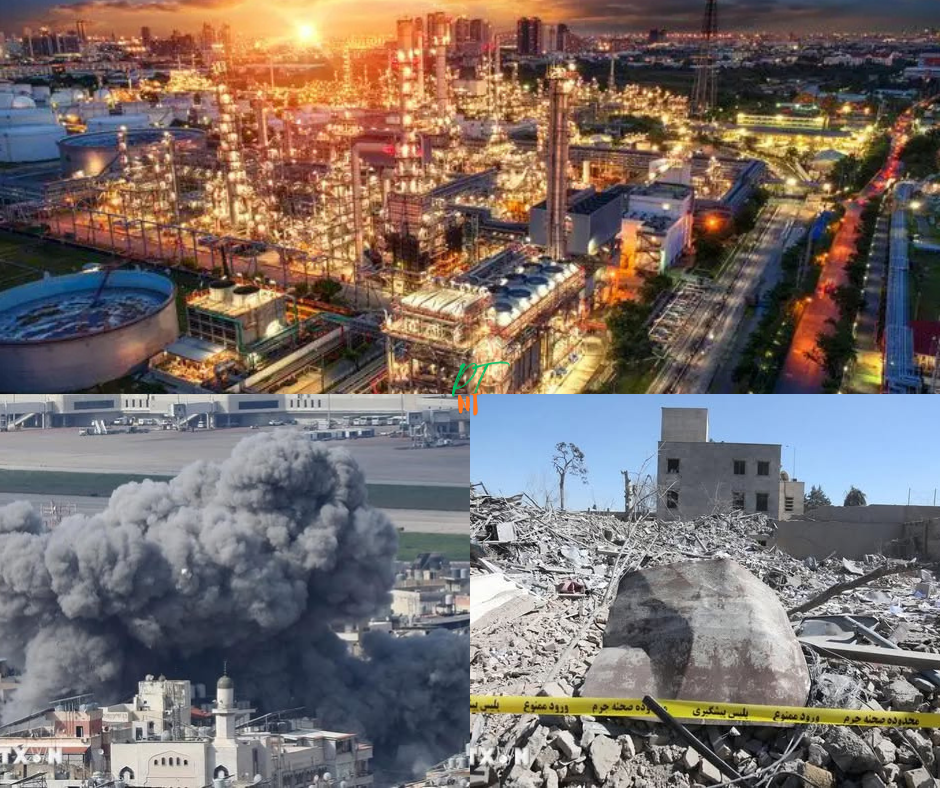
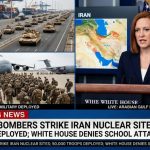
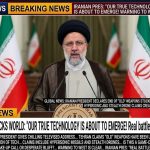
As tensions escalate across the Middle East, analysts warn that the world may be approaching a critical moment where regional conflict could trigger far-reaching global consequences.
The Middle East remains one of the most strategically important regions in the world, largely because it holds a substantial share of the planet’s oil and natural gas reserves. Major energy routes, including those passing through the Persian Gulf, supply fuel to economies across Asia, Europe, and the Americas.
A large-scale conflict in this region could therefore disrupt global energy flows, sending shockwaves through international markets. Oil prices could surge rapidly, transportation costs could rise, and supply chains around the world could face new instability.

Economists note that modern economies remain deeply interconnected with energy supply. Even short-term disruptions can influence inflation, manufacturing output, and the cost of living in many countries. For developing nations in particular, sudden increases in fuel prices could slow economic growth and strain national budgets.
Beyond economic risks, the geopolitical implications are equally significant. Escalating hostilities could draw multiple regional and global powers into a broader confrontation, increasing the danger of prolonged instability.
For decades, international diplomacy has attempted to promote a global order based on peaceful cooperation, economic integration, and shared development. However, intensifying military tensions threaten to challenge that framework.
Experts warn that the stakes extend far beyond the immediate battlefield. A conflict centered in the world’s primary energy region could undermine global progress, destabilize financial systems, and weaken the fragile balance that supports international cooperation.
In this environment, many observers stress the urgent need for diplomatic efforts to reduce tensions and prevent further escalation, emphasizing that the future of global stability may depend on the ability of nations to choose dialogue over confrontation.