The Mausoleum of Qin Shi Huang and the Terracotta Army
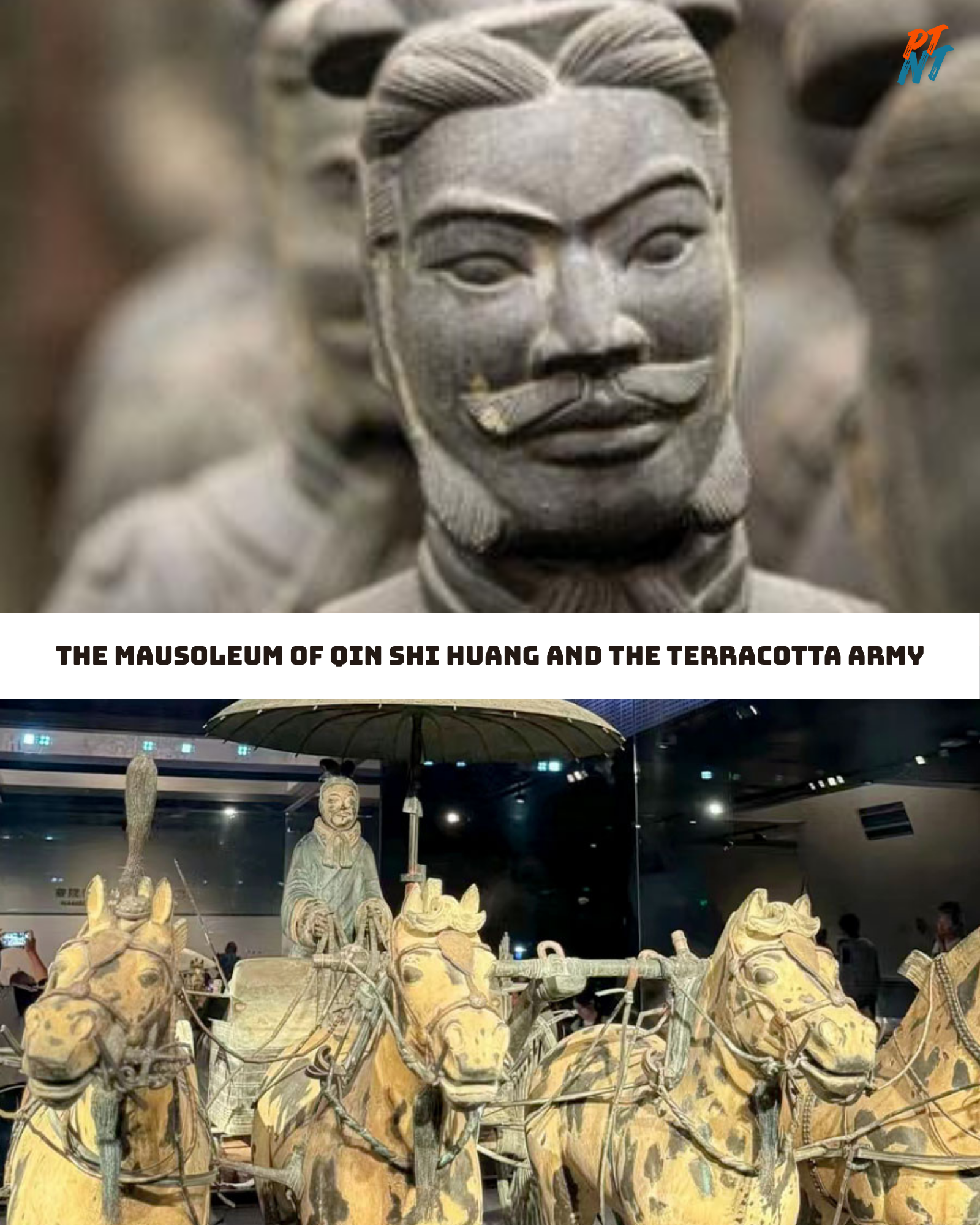
One of the most astonishing archaeological discoveries of the 20th century emerged from the countryside of Xi’an in 1974. While digging a well, several farmers accidentally uncovered fragments of ancient clay figures. What they had stumbled upon would soon reveal the legendary Terracotta Army, part of the vast mausoleum complex of Qin Shi Huang.
Qin Shi Huang, who ruled from 221 to 210 BCE, was the founder of the Qin dynasty and the man who unified China for the first time in history. To protect himself in the afterlife, he ordered the construction of an enormous underground army made entirely of terracotta.
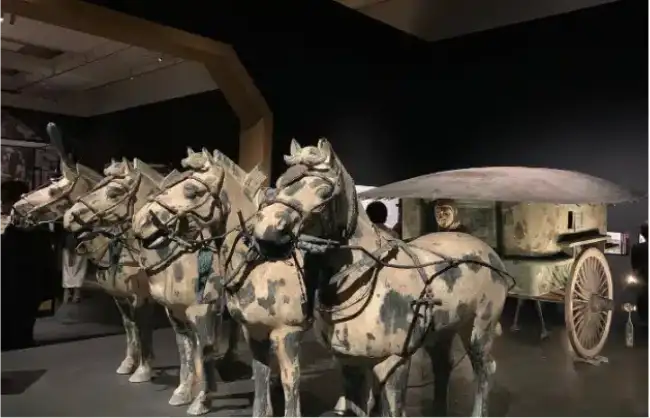
Archaeologists have since discovered nearly 8,000 life-size soldiers, each with unique facial features, hairstyles, and armor. The complex also includes around 130 chariots pulled by more than 500 horses, 150 cavalry horses, and numerous musicians, officials, and acrobats. Every figure was crafted with remarkable detail, reflecting the military power and artistic skill of ancient China more than 2,200 years ago.
The site is part of the massive Mausoleum of Qin Shi Huang, a burial complex covering more than 50 square kilometers. Interestingly, the central tomb chamber of the emperor has never been opened, largely due to concerns about preserving its contents and historical descriptions of rivers of mercury inside the tomb.
In recognition of its extraordinary historical value, the UNESCO designated the Terracotta Army as a Mausoleum of the First Qin Emperor in 1987.
Today, the Terracotta Army remains one of the greatest archaeological wonders on Earth, attracting millions of visitors every year and continuing to reveal secrets about the ambitions of China’s first emperor.