Easter Island: The Remote Island of Mysterious Giant Stone Heads
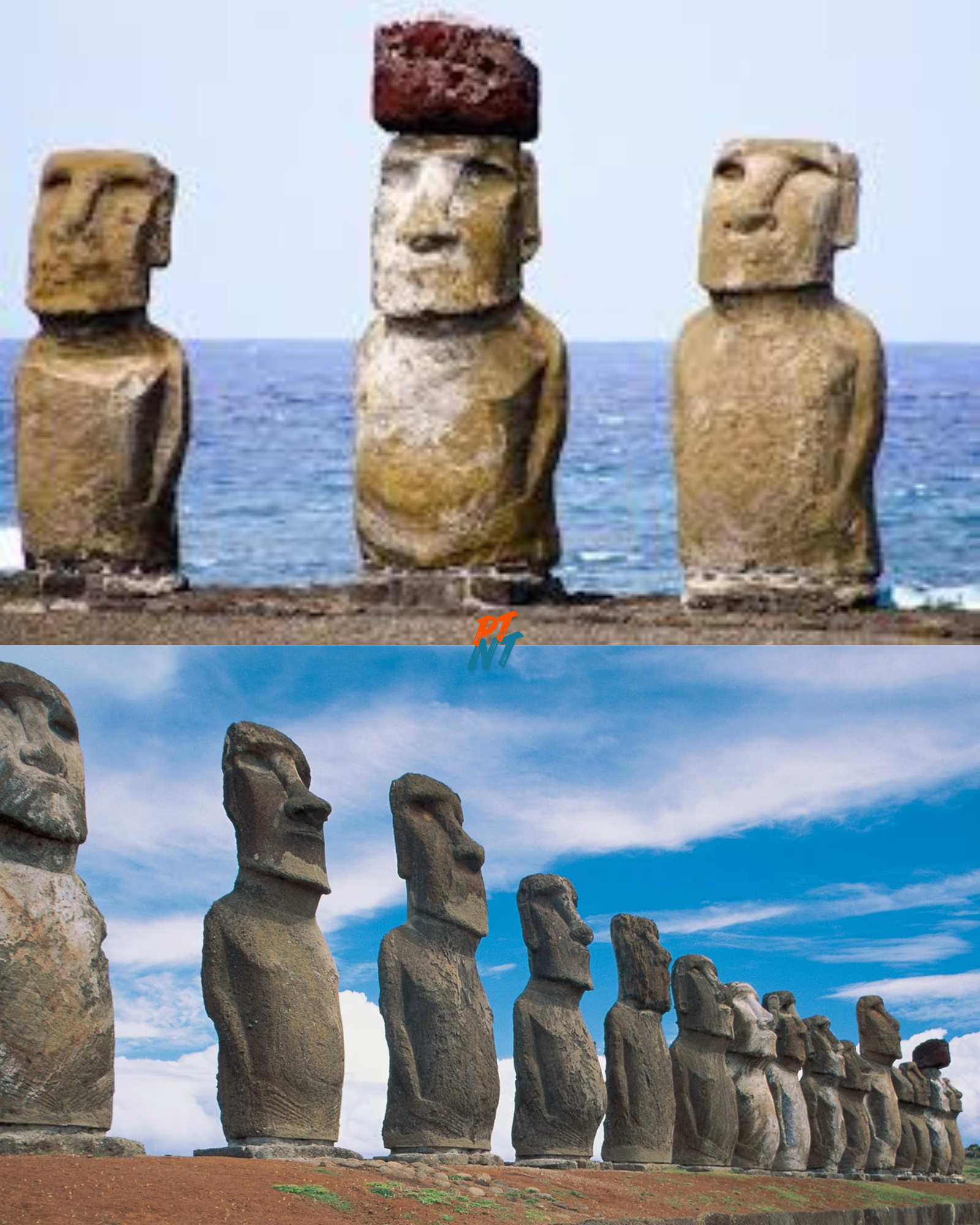

Few places on Earth inspire as much curiosity as Easter Island, a remote volcanic island in the Pacific Ocean famous for its monumental stone statues known as Moai. Located about 2,000 kilometers from the nearest inhabited mainland of Chile, the island—whose indigenous name is Rapa Nui—is one of the most isolated inhabited places in the world.
Across the island stand nearly 1,000 giant statues, some reaching heights of up to 9 meters and weighing dozens of tons. Archaeologists believe the statues were carved between the 11th and 17th centuries by the ancestors of the Rapa Nui people.
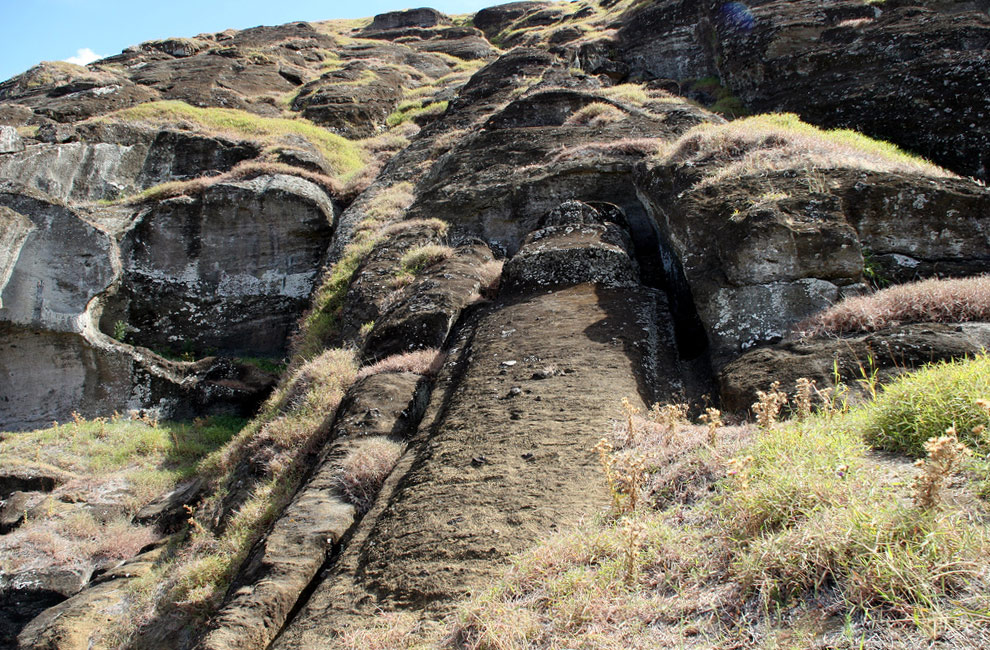
The statues were sculpted mainly from volcanic rock at the quarry of Rano Raraku and then transported across the island to ceremonial platforms called ahu. How ancient islanders managed to move these enormous figures without modern technology has long puzzled researchers.
Several theories suggest that the statues were “walked” upright using ropes, while others believe wooden sledges or rollers may have been used. Despite years of research, the exact method remains a topic of debate.
The island was first recorded by Europeans in 1722 when Dutch explorer Jacob Roggeveen arrived on its shores during Easter Sunday, giving rise to the name Easter Island.
Today, the mysterious Moai statues remain powerful symbols of the Rapa Nui civilization—silent guardians of an island that continues to fascinate historians, archaeologists, and travelers from around the world.