Vladimir Putin Warns of Possible Gas Supply Halt to Europe 4 Russian President Vladimir Putin has warned that Russia could halt natural gas supplies to Europe, escalating tensions over energy security and geopolitics. The statement comes as relations between Russia and European nations remain strained amid ongoing political and economic disputes. Russia has long been one of Europe’s largest energy suppliers, with state-owned giant Gazprom playing a central role in delivering gas through an extensive pipeline network. A potential cutoff could have serious consequences across Europe, particularly as countries rely on natural gas for heating, electricity generation, and industrial production. Energy analysts warn that such a move could lead to price spikes, supply shortages, and renewed economic pressure, especially during colder months. European leaders have responded cautiously, emphasizing efforts to diversify energy sources, including liquefied natural gas (LNG) imports and renewable energy expansion. Since previous disruptions, many countries have increased storage capacity and reduced dependence on Russian supplies, but vulnerabilities remain. The warning highlights how energy continues to be used as a strategic tool in international relations, with global markets reacting swiftly to any sign of disruption. As uncertainty grows, the situation underscores a broader reality: in today’s interconnected world, energy is not just an economic resource—it is a powerful geopolitical weapon.
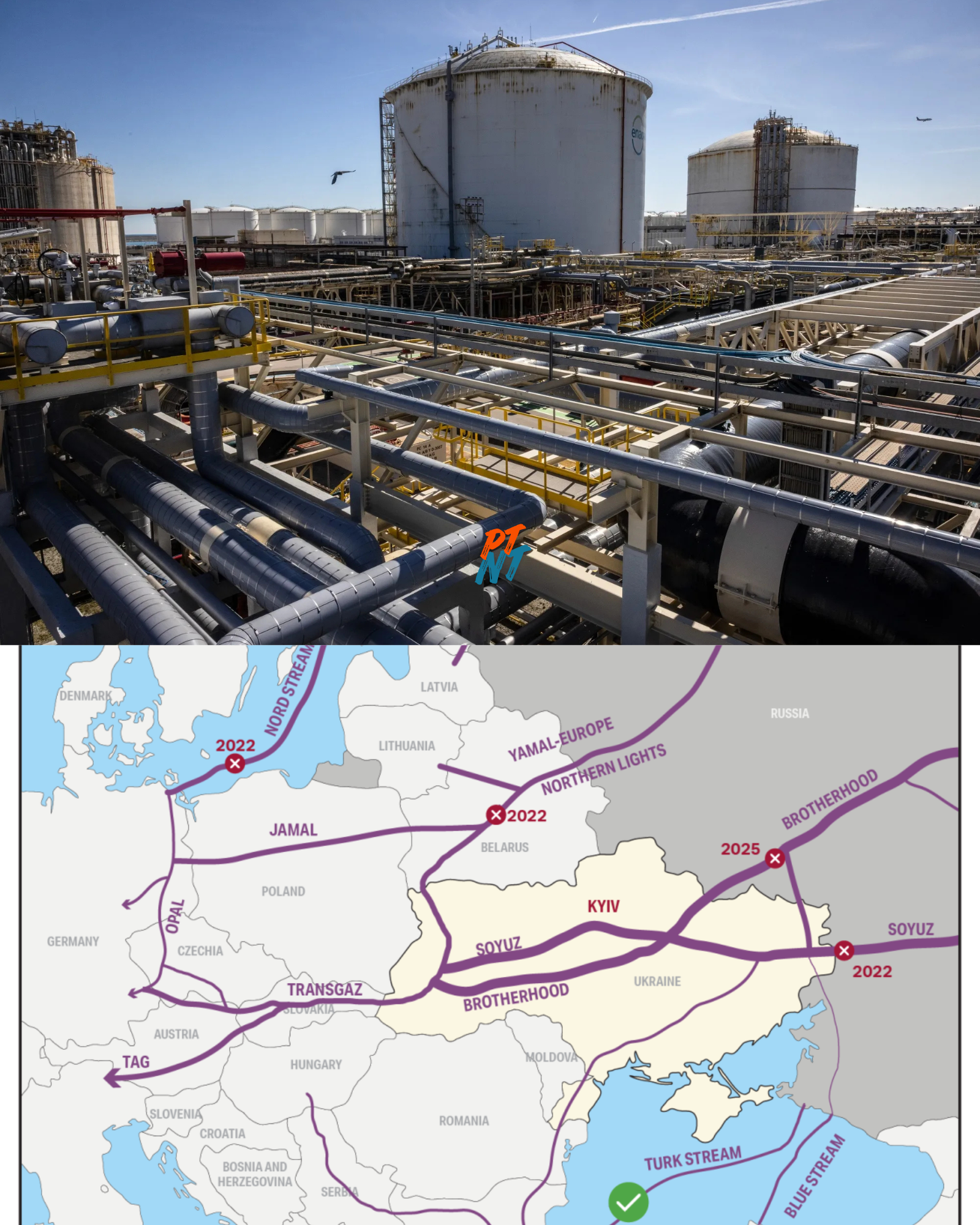
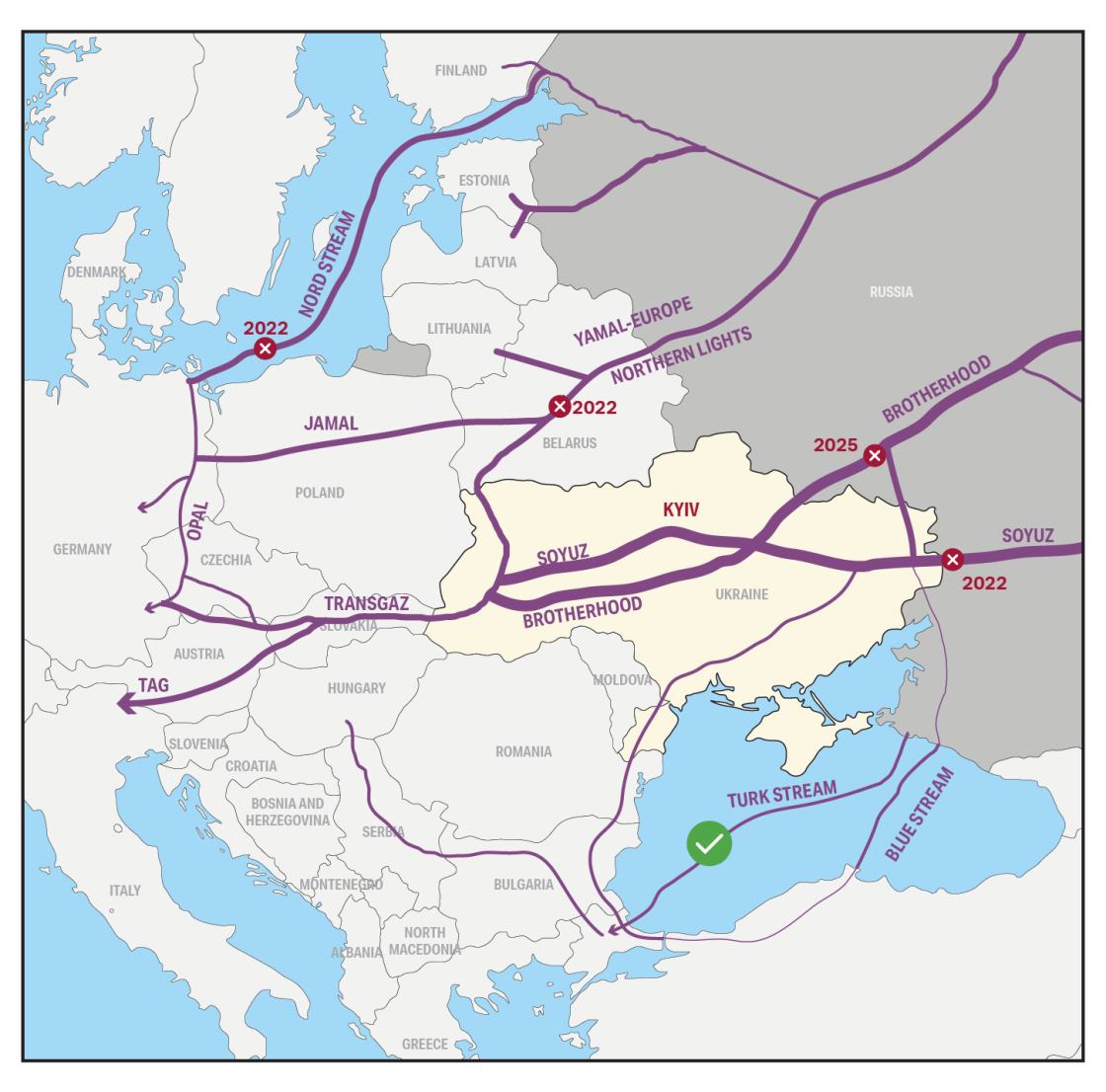
The statement comes as relations between Russia and European nations remain strained amid ongoing political and economic disputes. Russia has long been one of Europe’s largest energy suppliers, with state-owned giant Gazprom playing a central role in delivering gas through an extensive pipeline network.
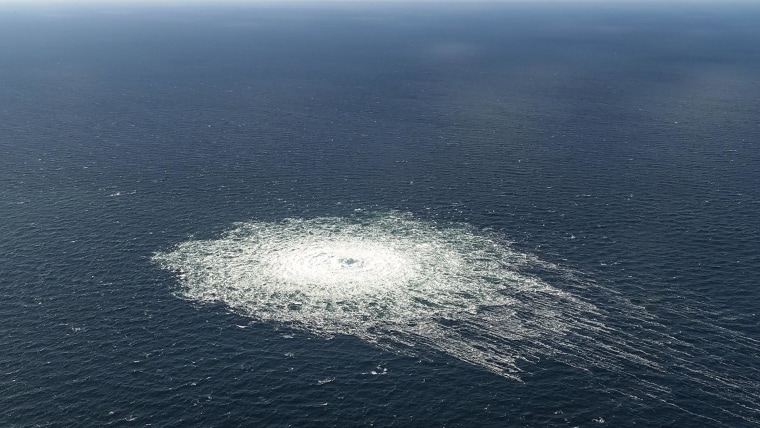
A potential cutoff could have serious consequences across Europe, particularly as countries rely on natural gas for heating, electricity generation, and industrial production. Energy analysts warn that such a move could lead to price spikes, supply shortages, and renewed economic pressure, especially during colder months.
European leaders have responded cautiously, emphasizing efforts to diversify energy sources, including liquefied natural gas (LNG) imports and renewable energy expansion. Since previous disruptions, many countries have increased storage capacity and reduced dependence on Russian supplies, but vulnerabilities remain.
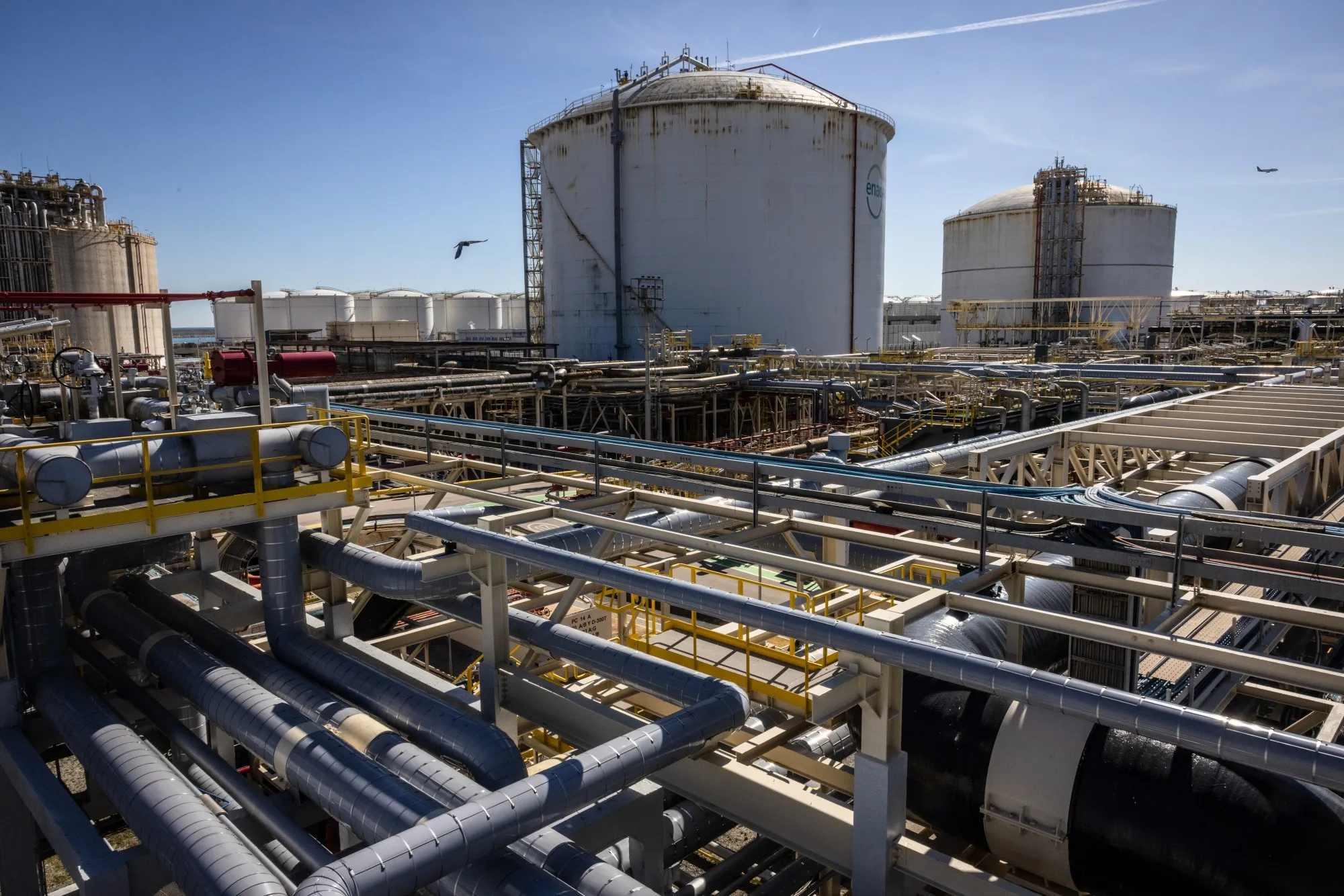
The warning highlights how energy continues to be used as a strategic tool in international relations, with global markets reacting swiftly to any sign of disruption.
As uncertainty grows, the situation underscores a broader reality: in today’s interconnected world, energy is not just an economic resource—it is a powerful geopolitical weapon.