U.S. Confronts Russian Naval Deployment to Iran in Rising Gulf Tensions
U.S. Confronts Russian Naval Deployment to Iran in Rising Gulf Tensions
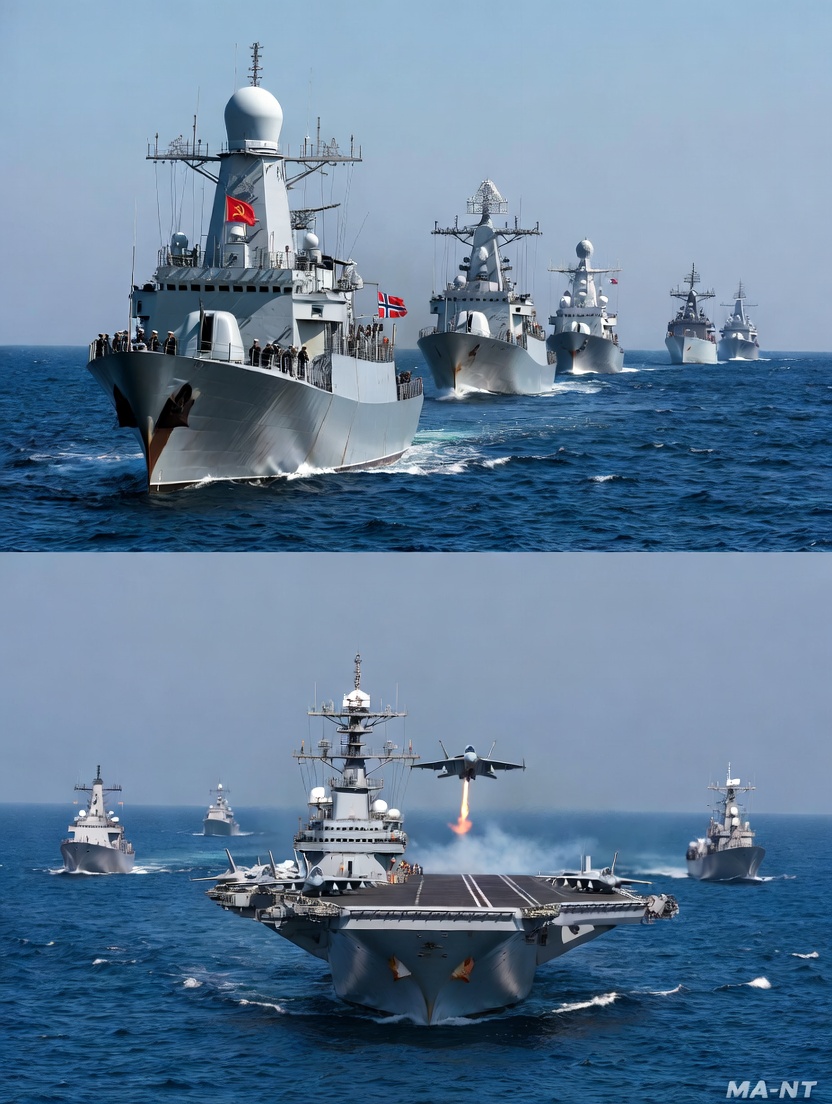
A reported covert deployment of Russian naval forces to Iranian waters has intensified tensions across the Eastern Mediterranean and the Gulf of Oman, prompting a swift response from the United States Navy. According to Western defense officials, a mixed Russian flotilla — including frigates, missile corvettes, and support vessels — departed the Black Sea under the cover of routine exercises before transiting the Suez Canal at night.
Satellite imagery later indicated the group had rendezvoused with Iranian ships and anchored near an Iranian port along the Gulf of Oman. Analysts cited in the reports claim Russian personnel began transferring advanced anti-ship missile systems and air-defense equipment intended to bolster Iranian coastal units, including forces linked to the Islamic Revolutionary Guard Corps (IRGC).

U.S. intelligence reportedly tracked the flotilla’s movements, viewing the deployment as a strategic signal aimed at expanding Moscow’s military footprint in the region while deepening security cooperation with Tehran. In response, the U.S. Navy increased its visible presence in nearby waters, conducting patrols and what officials described as a “demonstration of readiness” to reassure regional partners and deter further escalation.

While neither Moscow nor Tehran publicly characterized the movement as aggressive, Western officials described it as a calculated maneuver with potential implications for maritime security and energy shipping routes passing through the Gulf.
The episode underscores the fragile balance of power in the region, where naval deployments and military signaling continue to shape an already volatile geopolitical landscape.