US Releases List of Weapons Used During Op Epic Fury Against Iran, From F-35 Jets to B-2 Bombers
US Releases List of Weapons Used During Op Epic Fury Against Iran, From F-35 Jets to B-2 Bombers
March 2026 – The United States military has officially released a comprehensive list of the advanced weaponry used in its highly classified operation, Epic Fury, which targeted key Iranian military sites earlier this month. The operation, which included a combination of airstrikes, drone missions, and precision-guided munitions, was designed to cripple Iran’s military capabilities and disrupt its growing influence in the Middle East.
Key Weapons Used in Operation Epic Fury
The Pentagon’s release highlights the strategic and technological prowess behind Op Epic Fury, which was one of the most significant military actions taken by the U.S. against Iran in recent years. Key assets deployed during the operation included:
-
F-35 Joint Strike Fighters – The F-35s, known for their stealth capabilities and advanced avionics, were used to strike critical Iranian air defense systems and missile sites. These fifth-generation jets, capable of evading most detection systems, provided crucial air support during the operation, ensuring that Iranian defenses were overwhelmed before further strategic bombings.
-
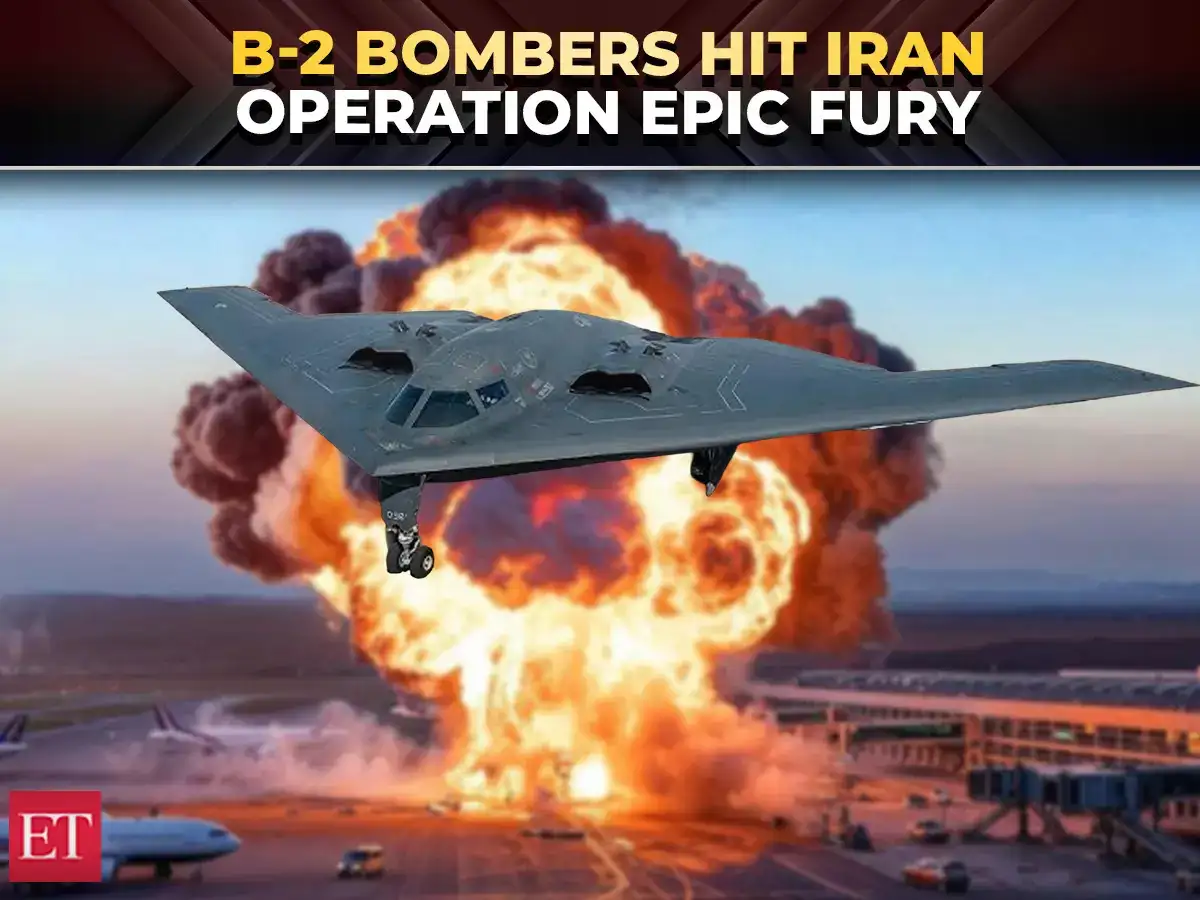
B-2 Spirit Bombers – The B-2 bombers, notorious for their ability to penetrate heavily defended airspace, were employed to drop large payloads of precision-guided munitions on Iran’s underground military facilities. These long-range stealth bombers were used to carry out high-altitude strikes against hardened bunkers, ensuring that key Iranian infrastructure was effectively disabled.
-
MQ-9 Reaper Drones – Used for surveillance and precision strikes, the MQ-9 Reapers were essential in identifying and neutralizing high-value targets in real-time. These drones, capable of carrying a variety of munitions, were deployed to take out Iranian radar stations, missile batteries, and critical communications hubs.
-
Tomahawk Cruise Missiles – Fired from both U.S. Navy destroyers and submarines, Tomahawk missiles were used to target Iranian naval assets and land-based military installations. The missiles are known for their accuracy and long-range capabilities, ensuring that Iranian facilities were hit with minimal collateral damage.
-
Joint Direct Attack Munitions (JDAMs) – These GPS-guided bombs, attached to conventional aircraft munitions, were used to carry out surgical strikes on key Iranian military compounds. JDAMs were a critical component of the operation, allowing U.S. aircraft to hit targets with pinpoint accuracy, even in heavily defended areas.
Targeted Sites and Strategic Goals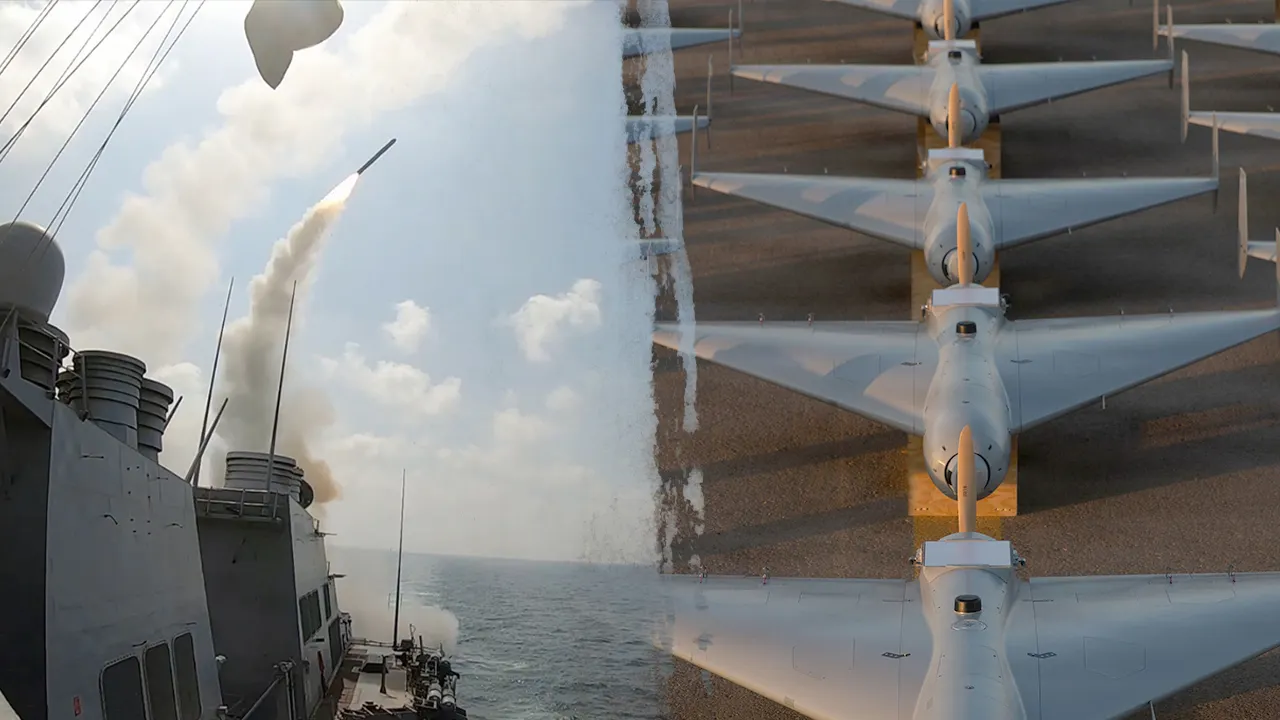
The operation primarily focused on Iranian nuclear sites, missile depots, and air defense systems, which have long been a source of tension between Iran and the international community. Key targets included:
-
The Fordo Nuclear Facility: A major underground site where Iran has enriched uranium, believed to be a critical part of Iran’s nuclear program.
-
The Parchin Military Complex: Known for its involvement in Iran’s missile development, the complex was struck to limit Iran’s ballistic missile capabilities.
-
Iranian Radar and Anti-Aircraft Batteries: These defenses were destroyed to ensure U.S. aircraft and assets could operate freely within Iranian airspace.
The Strategic Objectives of Op Epic Fury
U.S. officials have stressed that the operation was designed to reduce Iran’s military capabilities without triggering a full-scale war. The aim was to disable critical infrastructure, particularly Iran’s nuclear and missile development programs, in order to prevent further escalation of tensions in the Middle East.
“Operation Epic Fury was a decisive move to weaken Iran’s ability to project power across the region,” said General Mark Milley, Chairman of the Joint Chiefs of Staff. “Our goal was to target the heart of their military infrastructure and send a clear message that aggression towards U.S. interests and allies will not be tolerated.”
Iran’s Response
In retaliation, Iran has vowed to escalate its actions against U.S. forces and its regional allies. Iranian officials have warned of further missile and cyber attacks, with reports suggesting that Iranian-backed militias in Iraq and Syria could be mobilized to strike American interests in the region. Additionally, Tehran has begun to restore its missile capabilities and strengthen its air defenses.
“We will not allow the United States to dictate our future,” said Iranian Supreme Leader Ali Khamenei in a televised address. “The attack on our sovereignty will not go unanswered.”
Global Reactions
The international community has expressed concern over the potential for the conflict to escalate further. The United Nations has called for a ceasefire and urged both sides to return to the negotiating table. Russia and China have criticized the U.S. for its actions, while European countries have called for a diplomatic solution to prevent a regional war.
Looking Ahead
As both the U.S. and Iran prepare for the next phase of their conflict, the world remains on edge. With tensions running high, it remains to be seen how Iran will respond to Op Epic Fury, and whether the U.S. can avoid a broader military engagement in the Middle East.
The operation represents a pivotal moment in the ongoing power struggle between the U.S. and Iran. With both nations entrenched in their positions, the road ahead promises further challenges, and the stakes for regional stability could not be higher.