Israel Strikes Iran’s Underground Nuclear Facility, Escalating Regional Tensions
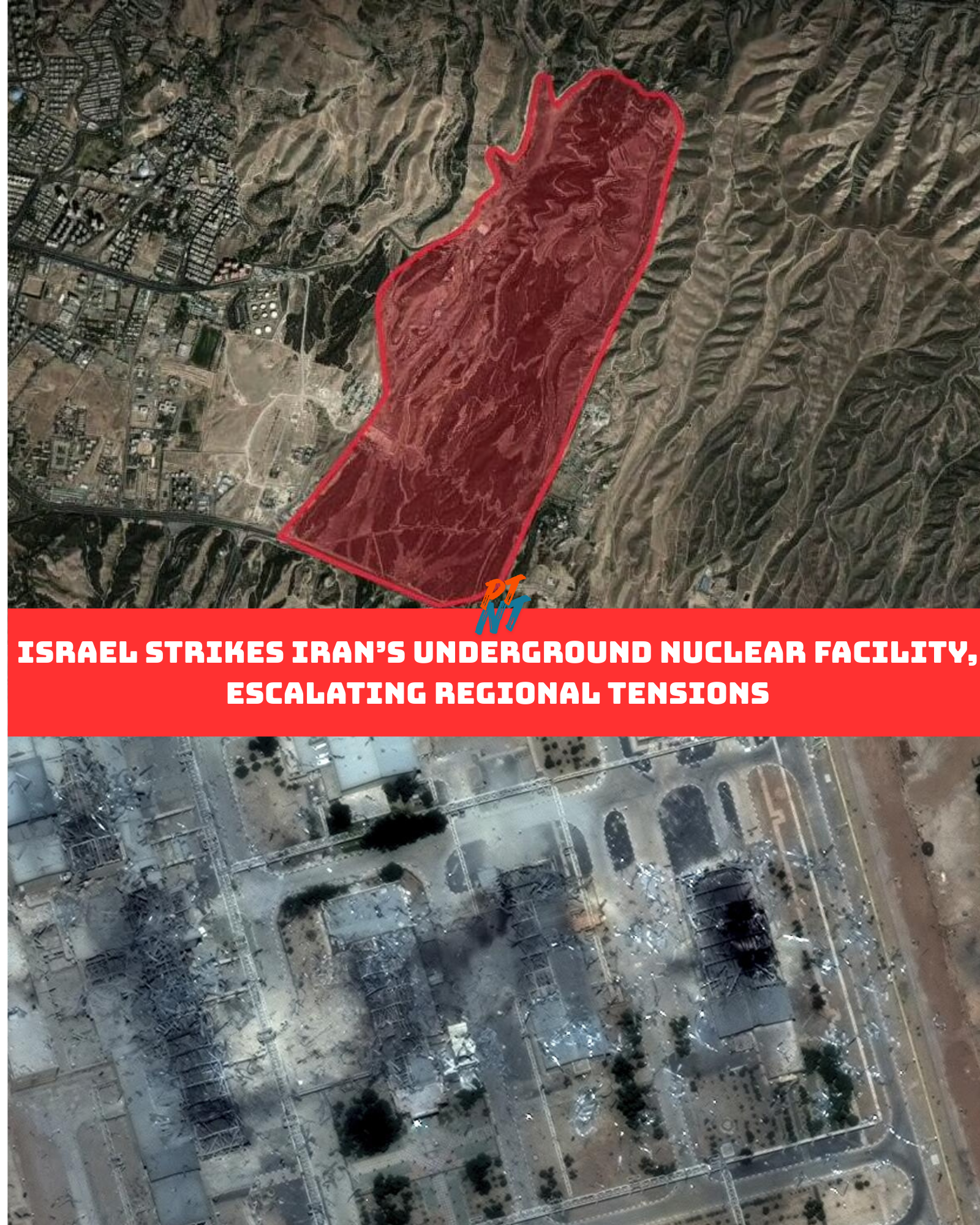
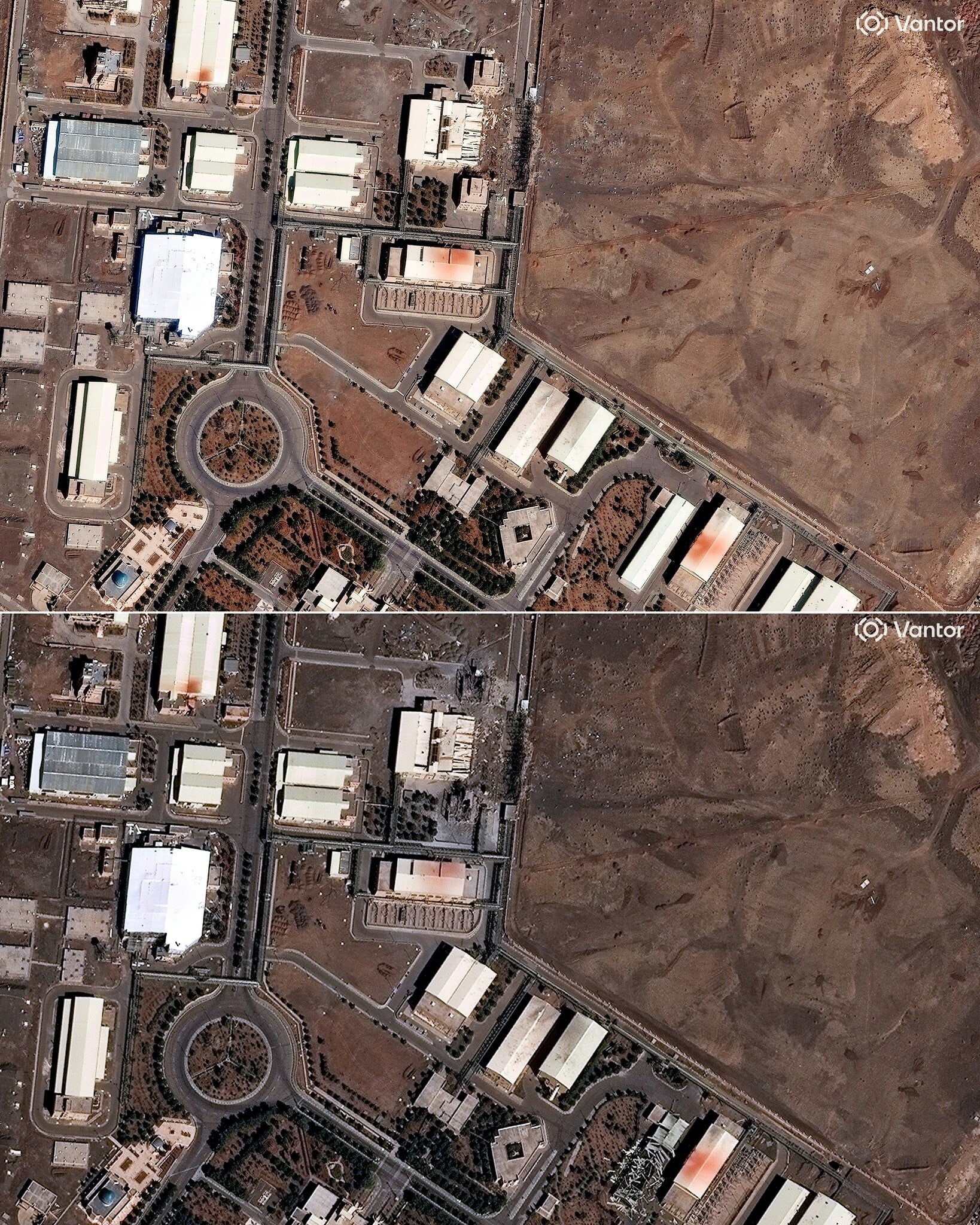
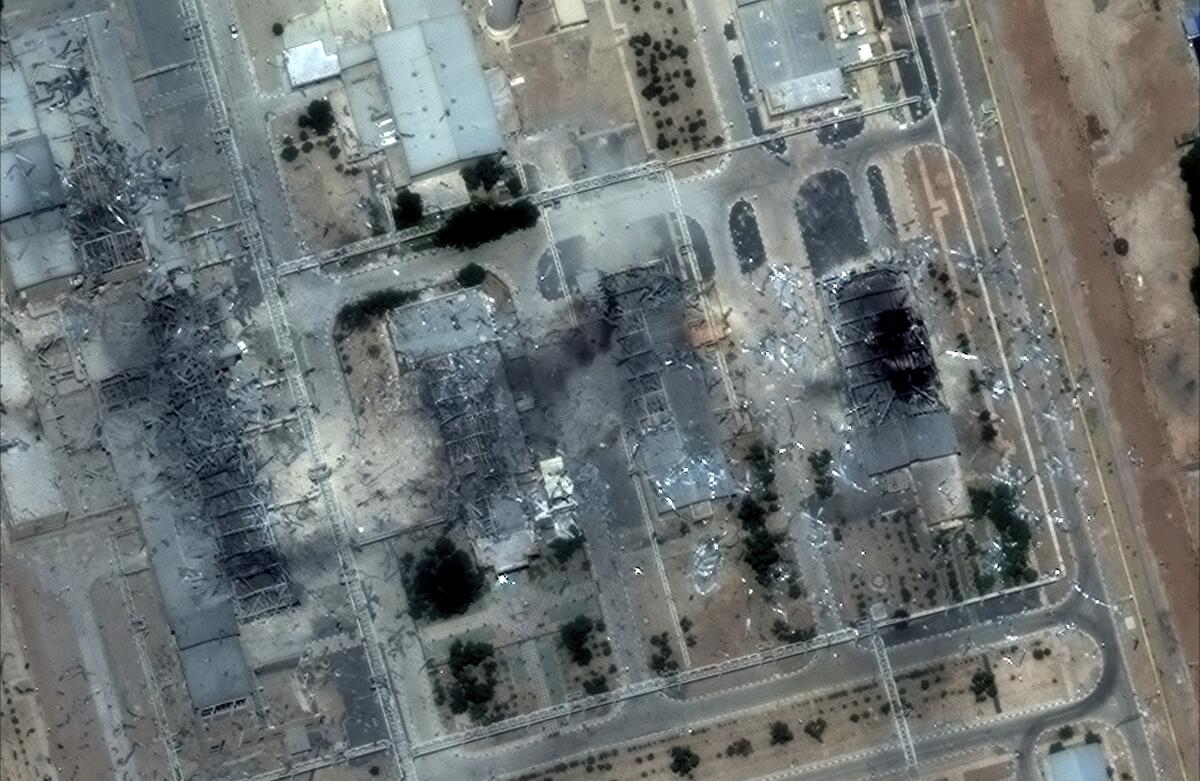
According to international observers, the strikes focused heavily on the Natanz nuclear complex—widely regarded as the backbone of Iran’s nuclear ambitions. Satellite imagery analysis and assessments by the International Atomic Energy Agency (IAEA) indicate that the attacks caused direct damage to underground centrifuge halls, a significant development in the ongoing shadow war between the two nations.
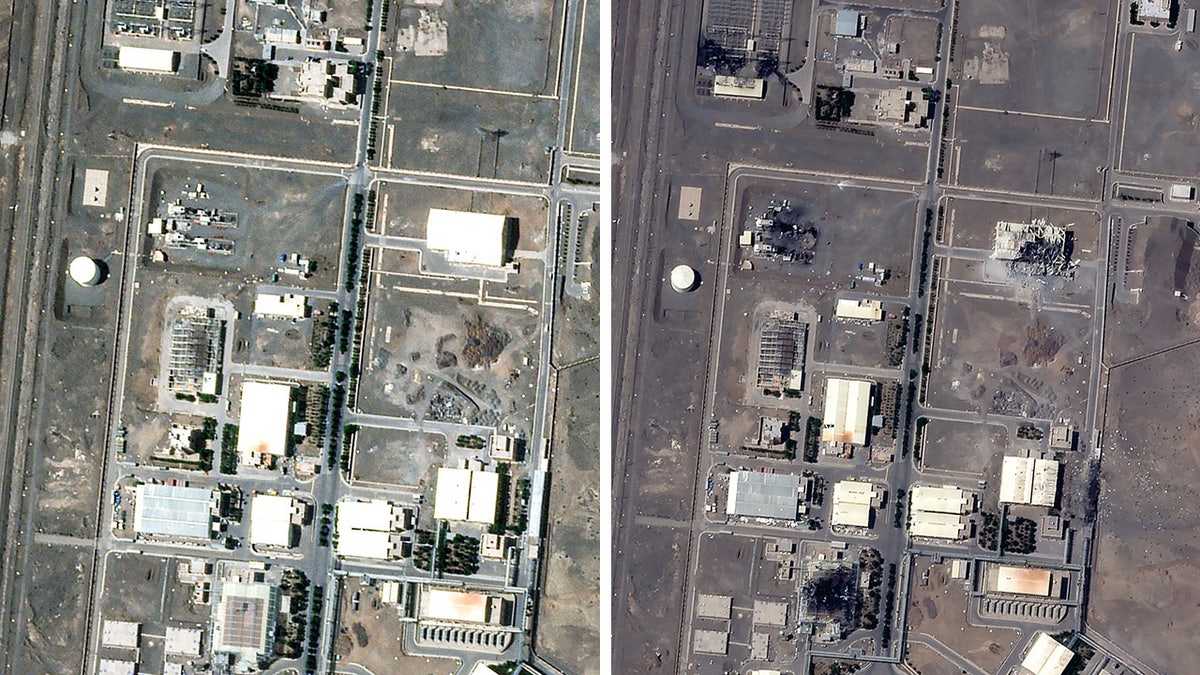
The underground sections of Natanz, built deep beneath the surface to withstand conventional attacks, were thought to be among the most secure elements of Iran’s nuclear program. However, recent findings suggest that Israeli airstrikes may have penetrated these defenses, disrupting critical enrichment operations.
In addition to Natanz, strikes were also reported at other nuclear-related sites, including facilities in Isfahan. The IAEA confirmed that a centrifuge manufacturing workshop was hit, though no radioactive leakage was detected.
Israeli officials have stated that the objective of the operation is to prevent Iran from advancing toward nuclear weapons capability, describing the strikes as a necessary step for national security. Meanwhile, Iranian authorities have condemned the attacks, warning of potential retaliation and accusing Israel of escalating the conflict.
Experts warn that targeting underground nuclear facilities marks a dangerous turning point. Such actions not only risk military escalation but also raise concerns about unintended environmental consequences, particularly if nuclear materials are compromised.
As the situation unfolds, the international community faces growing pressure to intervene diplomatically, amid fears that the conflict could spiral into a wider regional war.