The Grave of Lies
The Grave of Lies
Chapter 1: The Nameless Ghost
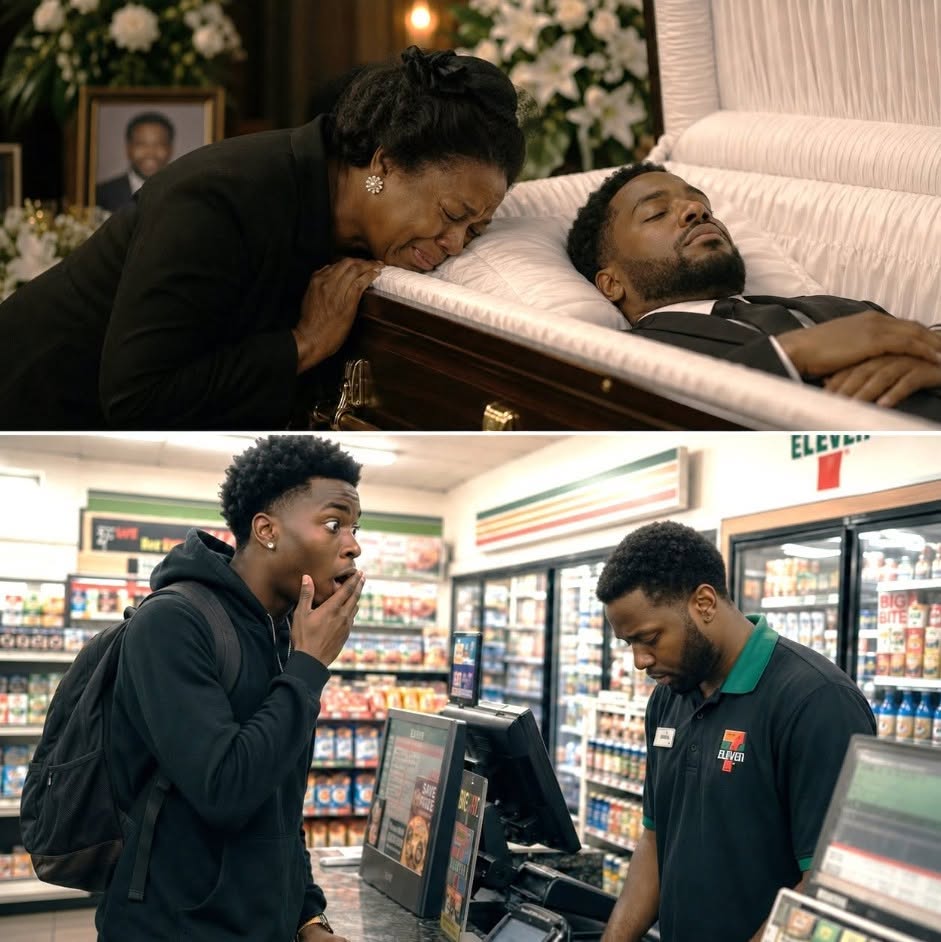
The drive from the 7-Eleven to the address Evan scribbled on the receipt felt like driving through a fever dream. Sacramento’s suburban sprawl, usually so predictable and safe, suddenly felt like a labyrinth of secrets. My hands were slick against the steering wheel, and every set of headlights in my rearview mirror sent a spike of adrenaline into my heart.
The address led to a cramped, dingy apartment complex on the edge of the city, a place where people lived in shadows. I parked three blocks away, as instructed, and walked the rest of the way, checking over my shoulder constantly. I wasn’t just a grieving sister anymore; I was a target in a game I didn’t know I was playing.
When I reached the unit, I didn’t knock. I waited. Five minutes later, a hooded figure emerged from the darkness of the stairwell. It was Evan. Up close, the transformation was staggering. The boy who had been a local soccer star was gone, replaced by a man who moved with the cautious, hunted grace of a stray animal.
Chapter 2: The Fire that Never Was
We sat in his barren apartment, the only light coming from a flickering neon sign outside the window.
“The car accident,” I whispered, my voice thick with betrayal. “The closed casket. Dad… he told us you burned.”
Evan laughed, a dry, humorless sound. “There was no accident, Carrie. There was no fire.”
He pulled up his sleeve, revealing a jagged, burn-like scar that ran the length of his forearm—not from a car, but from something else entirely. “Dad wasn’t grieving. He was running a business. He was laundering money for the Velez syndicate through the local shipping company he managed. When I was nineteen, I found the ledgers. I tried to go to the police.”
My stomach turned. My father, the man who preached integrity and order, was the architect of a nightmare.
“He didn’t kill me,” Evan continued, his eyes darkening. “He sold me. The syndicate needed someone to ‘disappear’ to cover their tracks. Dad staged the accident, paid off the coroner, and put a bag of weights in a car he pushed into a ravine. He told me if I stayed in Sacramento, he’d kill Mom. He made me ‘die’ so I could be their errand boy in other states for six years. I only escaped two years ago.”
Chapter 3: The Price of a Mother’s Tears
“Why didn’t you come home?” I cried, my voice rising. “Why let Mom suffer like that?”
Evan’s face crumpled. “You think I wanted her to visit a grave? Every night I wanted to call, but Dad… he has eyes everywhere. He kept Mom in a state of mourning to keep her docile. He knew if she was broken, she’d never look for the truth. And if I tried to reach out, he’d make sure the ‘accident’ finally became real.”
I realized then why Dad never went to the cemetery. It wasn’t because he was grieving; it was because he couldn’t stand the sight of the monument to his own deception. He had built a pedestal for his own cruelty and forced my mother to kneel before it every single month for eight years.
“Mom is in danger,” Evan said, gripping my wrist. “Dad isn’t just a middleman anymore. The syndicate is crumbling, and they’re looking for a fall guy. He’s going to use her to fake a new idenтιтy and flee the country. He’s already started moving her bank accounts.”
Chapter 4: The House of Glᴀss
The next morning, I returned home. Every floorboard, every pH๏τograph, every shadow felt different. My father was in the kitchen, reading the paper. He looked the same—the ironed shirt, the calm gaze—but now I saw the predator underneath.
“You’re home late,” he said, not looking up from his coffee.
“Car trouble,” I lied, my voice steady. “I had to take an Uber.”
He finally looked at me, his eyes searching. “You look tired, Carrie. Maybe you should take a few days off. Your mother has been talking about selling the house and moving to the coast. A fresh start. It might do us all some good.”
The realization hit me: he was already making his move. He wasn’t just moving; he was erasing the evidence of his life here.
“That sounds… wonderful,” I said, forcing a smile. As I walked past him, I bumped the table, purposely knocking his phone to the floor. As I picked it up, I managed to swipe a quick look at the lock screen. It wasn’t a picture of us. It was a flight itinerary for two—one for him, and one for my mother—leaving in forty-eight hours.
Chapter 5: The Final Betrayal
I didn’t wait for Evan’s plan. I took matters into my own hands. I went to the one person Dad feared: the local prosecutor who had been investigating the shipping company’s “irregularities” for years.
I didn’t just tell him about the money. I told him about the ghost.
When the police arrived at our house the next evening, they didn’t come with sirens. They came with a warrant for Richard’s arrest based on the financial records I had helped them secure through the clues Evan gave me.
My father didn’t struggle. He looked at me as they handcuffed him, his expression one of pure, icy hatred. “You were always the weak one,” he spat.
“I was the one watching,” I countered.
Epilogue: The Homecoming
The news of Evan’s return swept through the family like a shockwave. My mother, upon seeing him, didn’t just cry; she fainted. When she woke up, she held him as if she were trying to fuse him back into her own body, refusing to believe he was solid until the sun came up.
My father went to prison for life, his secrets dismantled by the daughter he once underestimated.
We moved away from the house in Sacramento, leaving the ghost of the “accident” behind. Evan still has the nametag from 7-Eleven in his drawer, a reminder of the years he spent in the shadows. We are a family that has been hollowed out and rebuilt, and while the scars of those eight years remain, the grave in the cemetery is finally, truly, just an empty plot of dirt. We are alive, we are together, and for the first time, we are finished with the lies.