Iran’s Natanz Nuclear Facility Attacked? Radiation Leak Reported? US & Israel Bomb Tehran
Iran’s Natanz Nuclear Facility Attacked? Radiation Leak Reported? US & Israel Bomb Tehran
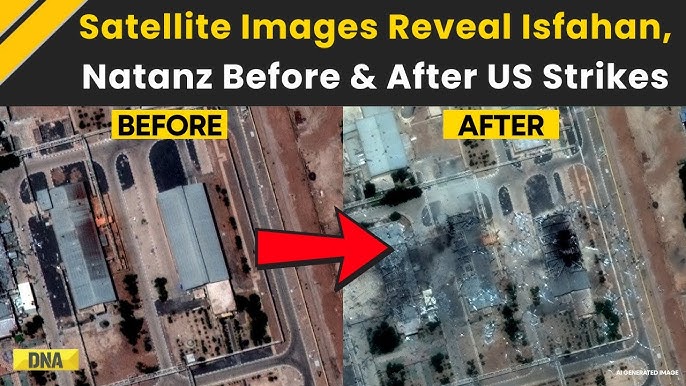
March 2026 – In an unprecedented escalation of tensions between Iran, Israel, and the United States, reports have emerged that Iran’s Natanz nuclear facility, one of its most critical sites for uranium enrichment, has been attacked in a devastating strike. The facility, located in the heart of Iran’s nuclear program, is believed to have suffered significant damage, with reports of a radiation leak sparking widespread concerns about the safety of nearby areas.
The Attack on Natanz
Iran’s Natanz Nuclear Facility has long been a point of contention between Tehran and the West, particularly with Israel, which has consistently expressed fears over Iran’s nuclear ambitions. The facility, which is used for the production of enriched uranium, is seen as crucial to Iran’s nuclear program.
Initial reports indicate that an airstrike, likely carried out by Israel, targeted the facility in the early hours of the morning. Several explosions were heard, followed by the activation of emergency protocols. Although Iranian authorities have not confirmed the full extent of the damage, sources within the government suggest that the strike led to a catastrophic failure of several key components of the facility, potentially exposing dangerous levels of radiation.
Radiation Leak
The most alarming aspect of the attack has been the reported radiation leak. Although officials have not confirmed the exact scale, there are growing fears that the breach could result in contamination of the surrounding areas. Experts have warned that even a small release of radiation from a facility like Natanz could have significant environmental and health consequences for both Iranian civilians and neighboring countries.
Iran’s Atomic Energy Organization has initiated an emergency response to contain the situation, but the secrecy surrounding the site and the lack of independent verification has left the world guessing about the severity of the leak. The International Atomic Energy Agency (IAEA) has called for immediate access to the site to conduct its own inspection, though it remains unclear if Iran will allow international experts to investigate.
The Role of the United States and Israel
While Israel has not officially claimed responsibility for the attack, it has long been suspected of carrying out covert operations aimed at disrupting Iran’s nuclear progress. Israel’s defense minister, Benny Gantz, has hinted in past interviews that Israel would not hesitate to take military action if Iran continued its nuclear development, which it sees as a direct existential threat.
The United States, a strong ally of Israel, has also expressed concerns over Iran’s nuclear program. U.S. President Joe Biden condemned the attack but emphasized the need for a broader diplomatic resolution to prevent further escalation. However, recent reports suggest that U.S. forces may have supported Israel’s operation by providing intelligence or logistical assistance.
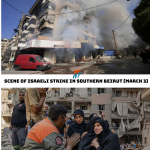
Israeli airstrikes on Tehran followed shortly after the Natanz attack, targeting what Israeli officials claim are Iranian missile sites and other military infrastructure. These airstrikes have led to widespread destruction in the Iranian capital, with several military installations severely damaged.
International Reactions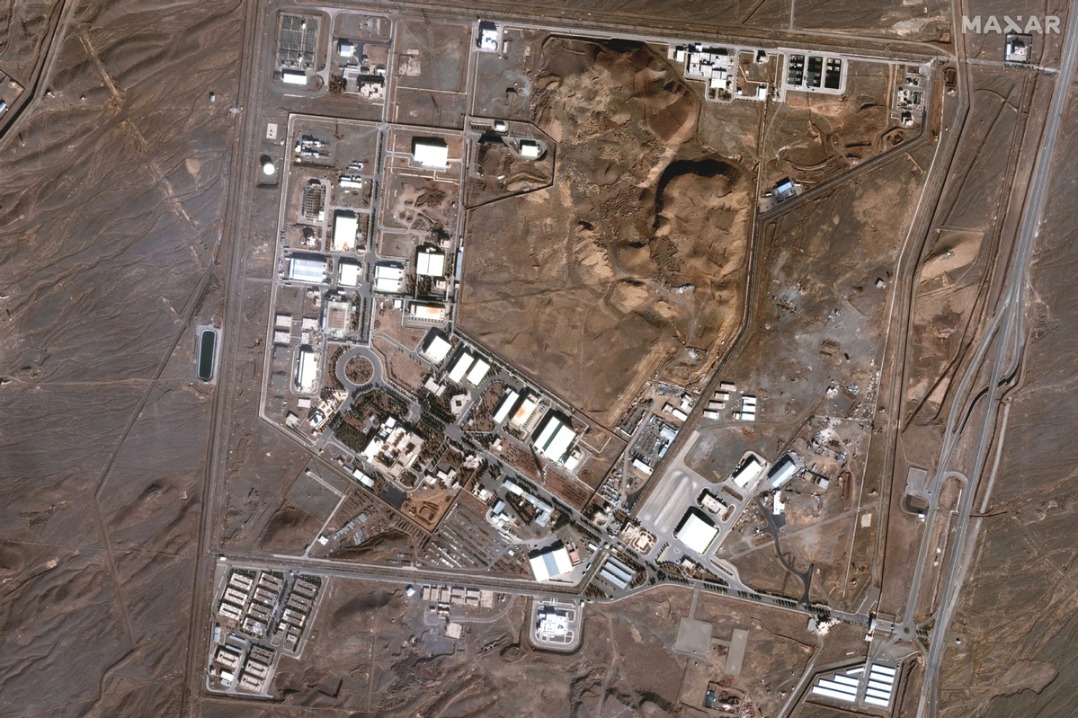
The international community has reacted with alarm, with many world leaders calling for calm and urging both Iran and Israel to exercise restraint. The United Nations has called for an emergency session to discuss the implications of the attack, particularly the radiation leak, which has raised serious environmental concerns.
Russia and China, both of which have strategic ties with Iran, have condemned the attacks, calling them violations of international law. Moscow and Beijing have expressed fears that the ongoing conflict could destabilize the entire Middle East, with repercussions extending far beyond the region.
Meanwhile, European powers have expressed frustration at the lack of progress in diplomatic talks, urging both the U.S. and Israel to reconsider their approach to Iran’s nuclear program. However, they have also warned Tehran that continuing its nuclear activities could provoke further military action.
The Road Ahead
As the situation develops, the fate of the region remains uncertain. The escalation of violence, coupled with the environmental threat posed by the radiation leak, has the potential to spiral into a larger conflict. Iran has vowed to retaliate for the strikes, and with both the U.S. and Israel actively engaged in military actions, the possibility of a broader regional war looms large.
Iran’s leadership has promised to continue its nuclear program despite the attack, and its response will likely be a key factor in determining the next steps in the conflict. The U.S. and Israel, for their part, have made it clear that they will not tolerate Iran’s nuclear development and will continue to take decisive action to prevent it.
With tensions reaching unprecedented levels, the international community is on edge, hoping that diplomatic solutions can still be found before the situation escalates into a full-scale war.