Iran-Israel War: Tel Aviv & Tehran Launch Massive Attacks At Each Other, Over 1000 Targets Destroyed
Iran-Israel War: Tel Aviv & Tehran Launch Massive Attacks At Each Other, Over 1000 Targets Destroyed
March 2026 – The conflict between Iran and Israel has reached an unprecedented level of intensity, with both nations launching massive, coordinated attacks on each other’s military and strategic infrastructure. As of today, over 1,000 targets have been destroyed in a devastating series of strikes that have escalated the war into a full-blown regional conflict with far-reaching implications.
The Attacks
Israel’s military, the Israel Defense Forces (IDF), initiated the latest round of airstrikes on Iranian military facilities, including airbases, missile depots, and critical infrastructure across Iran. Among the key targets were facilities in Tehran, Isfahan, and Shiraz, with a particular focus on sites associated with Iran’s nuclear program and missile development. According to the IDF, these attacks were in direct response to Iranian missile and drone strikes against Israeli cities in recent days.
In retaliation, Iran launched a barrage of missiles and drones aimed at Israel, targeting Tel Aviv, Haifa, and key military airbases. Iranian state media claims that these strikes hit multiple Israeli defense installations and severely damaged its Iron Dome missile defense system, which has long been hailed as one of the world’s most advanced air defense systems. While initial reports suggest significant damage, Israeli officials have insisted that their defenses successfully intercepted many of the incoming projectiles.
Damage Assessment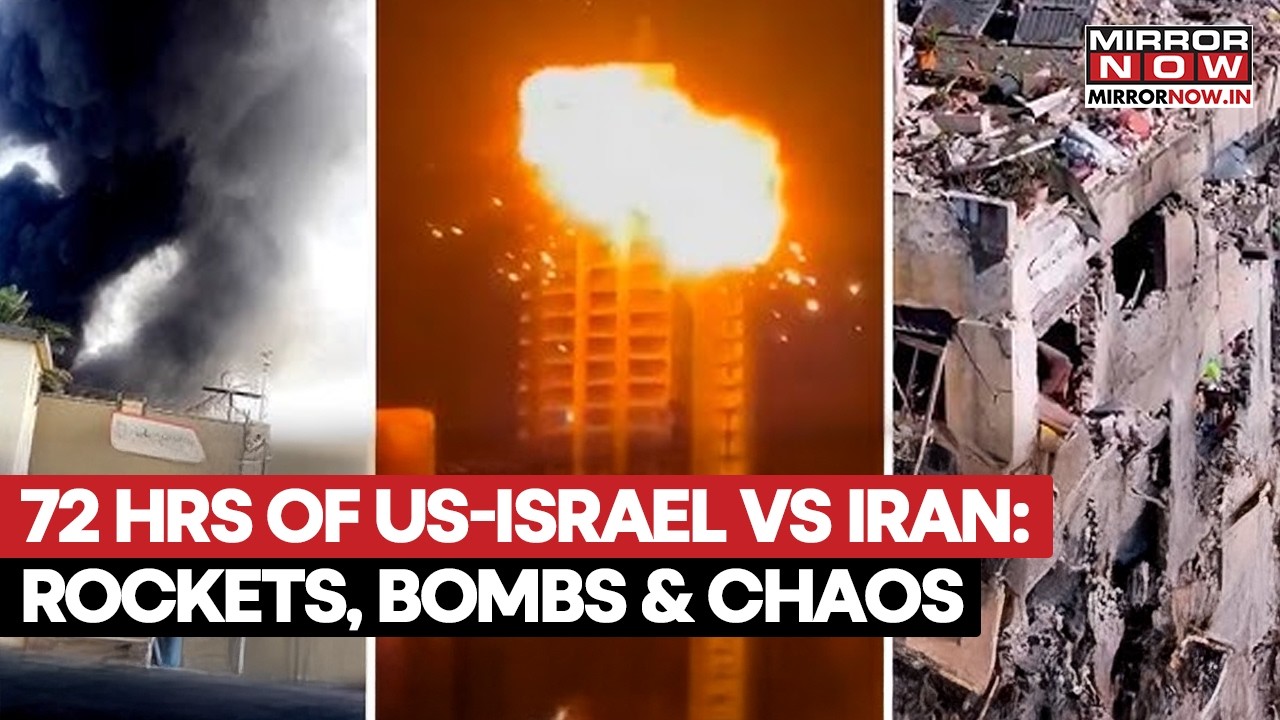
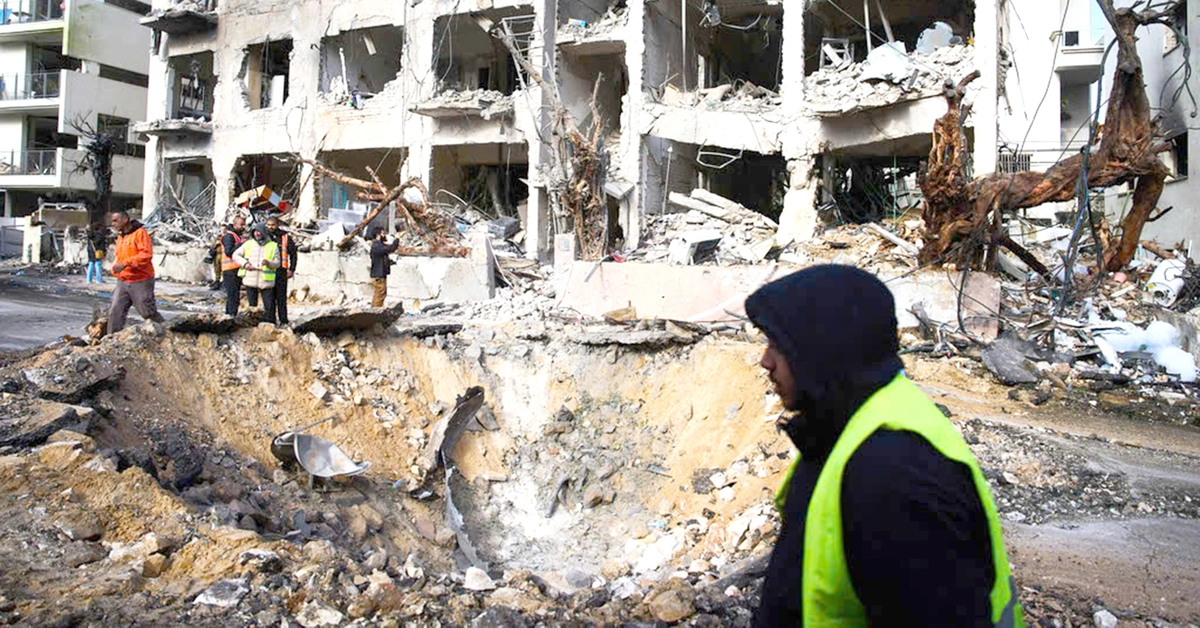
Reports from both sides indicate widespread destruction. In Tehran, several government buildings, military sites, and industrial zones were struck. The damage to Iran’s infrastructure is expected to have severe long-term effects on its ability to carry out military operations, as well as on the civilian population.
In Israel, while the Iron Dome successfully intercepted some of the incoming missiles, others were not as lucky, with major urban centers suffering damage from the blasts. In Tel Aviv, some buildings were destroyed, and dozens of civilian casualties have been reported. The Israeli government has called for emergency measures, and the military is on high alert, with additional reinforcements being sent to the front lines.
Both nations are claiming victory in these attacks, but the toll on civilians and infrastructure is evident, with the possibility of further escalation looming large.
Escalation and Global Impact
This dramatic escalation in hostilities has sparked international concern, as the war between Israel and Iran threatens to destabilize the entire Middle East. The ongoing conflict between the two countries is rooted in decades of animosity, driven by ideological differences, territorial disputes, and Iran’s nuclear ambitions.
In response to the violence, global powers have called for an immediate ceasefire, but diplomatic efforts have so far been unsuccessful in de-escalating the situation. The United Nations has condemned both sides for targeting civilian infrastructure, but has not proposed any concrete solutions to stop the fighting.
The United States, a staunch ally of Israel, has pledged its full support for its partner in the conflict, with President Biden authorizing additional military aid and air defense systems to Israel. Meanwhile, Iran has received support from its allies in the region, including Hezbollah, which has reportedly begun mobilizing its forces along the Lebanese-Israeli border.
The Nuclear Factor
While both Israel and Iran have engaged in conventional warfare, the specter of nuclear escalation is never far from the minds of military and political leaders. Iran’s nuclear program, which is widely believed to have been a key target of Israeli strikes, remains a critical point of contention.
Israel has long maintained that it will never allow Iran to develop nuclear weapons and has previously hinted at military action if diplomatic efforts fail. Iran, on the other hand, insists that its nuclear ambitions are peaceful and that it is within its rights to develop nuclear technology.
As both sides continue their military campaigns, the possibility of a nuclear confrontation remains an ominous concern for the region and the world at large.
The Road Ahead
The situation remains highly volatile, with both sides showing no signs of backing down. Israel has vowed to continue its military operations against Iranian military infrastructure, while Iran has promised more retaliatory strikes if its targets are further attacked.
The international community is on edge, as this conflict threatens to spill over into neighboring countries, drawing in regional powers like Saudi Arabia and Turkey. The United States and NATO are closely monitoring the situation, but the prospect of meaningful intervention seems remote, with both Israel and Iran deeply entrenched in their positions.
As the conflict continues to unfold, the Middle East stands at a crossroads. The war between Iran and Israel could reshape the region for years to come, with both military and diplomatic efforts required to prevent further devastation.