1,200-Year-Old Bread With Image of Christ Discovered
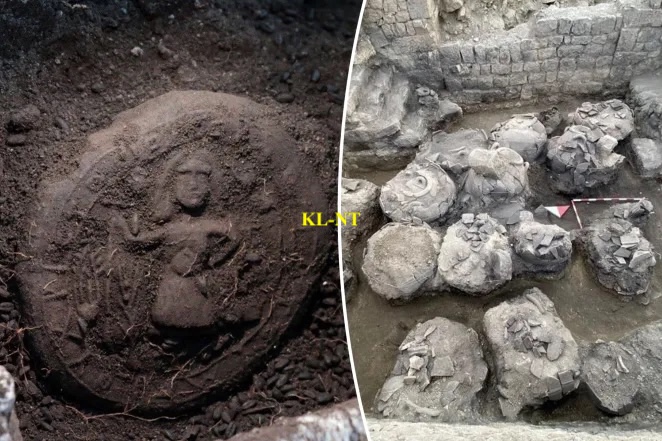
Archaeologists recently found an extraordinary relic of early Christianity: a 1,200-year-old loaf of burned bread bearing the image of Jesus Christ.
The discovery was announced by the Karaman Governorship, located in south-central Turkey, in a Facebook post on Oct. 8.
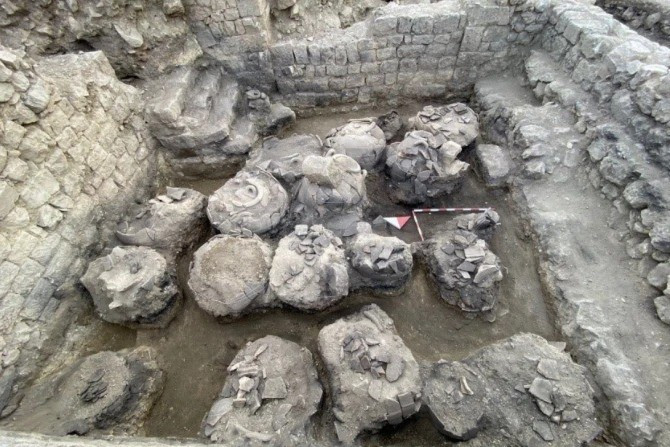
The bread dates back to the 7th or 8th centuries A.D.
It’s one of five carbonized loaves recently found at the Topraktepe archaeological site, once the ancient city of Eirenopolis.
Pictures from the excavation show the blackened loaf bearing a faint image of Christ.
The inscription on the loaf reads, “With gratitude to the Blessed Jesus.”
The image did not incorporate the popular Christ Pantocrator iconography, which typically shows Christ raising his right hand and serves as the standard of Byzantine and Eastern Orthodox art, according to officials.


Rather, Christ was depicted as a sower or farmer, which officials said reflects “the symbolic importance of fertility and labor in the religious thought of the period.”
Archaeologists also found other symbols on the loaves, including one that appears to bear the Maltese Cross.