Iran Attacks French Naval Air Station in Abu Dhabi (UAE): A Dramatic Escalation in Middle Eastern Tensions
Iran Attacks French Naval Air Station in Abu Dhabi (UAE): A Dramatic Escalation in Middle Eastern Tensions
A Bold Strike: French Naval Air Station Targeted
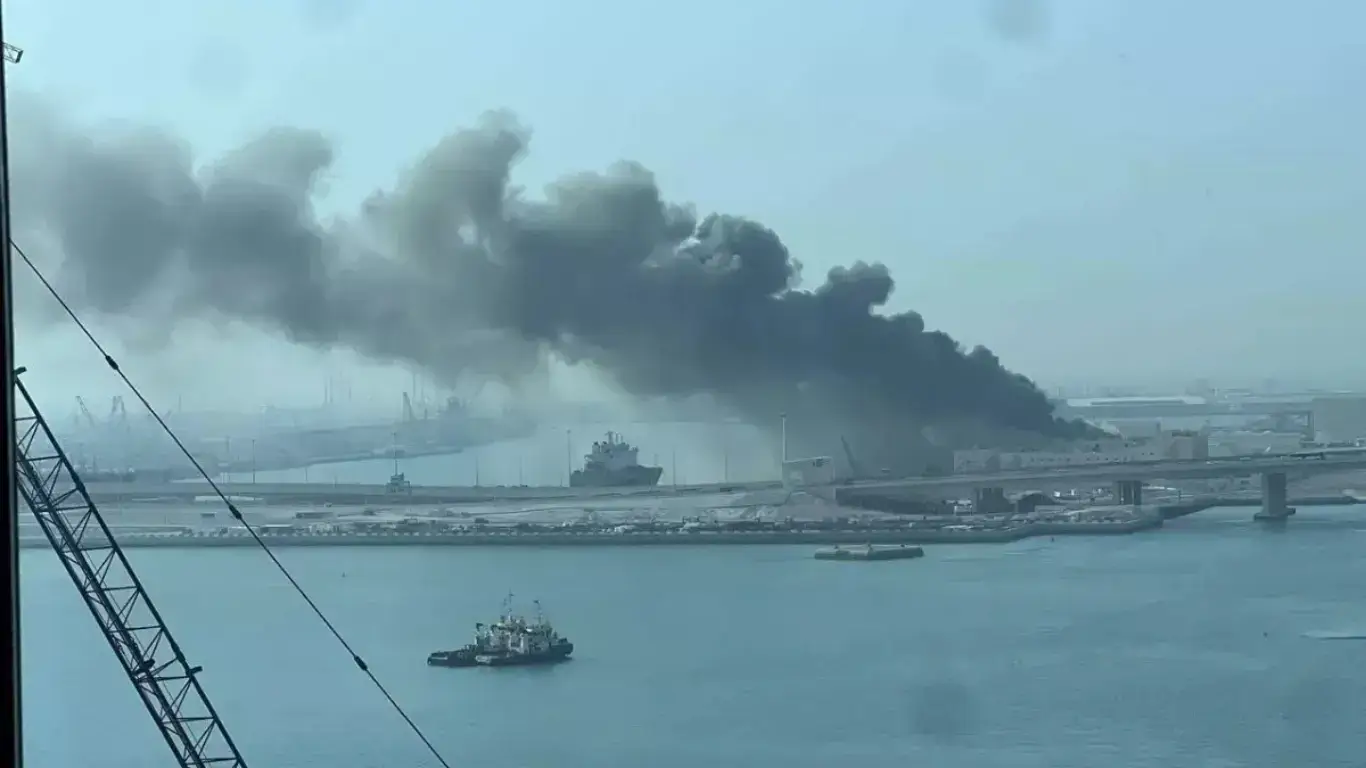
Iran has reportedly launched an attack on a French naval air station located in Abu Dhabi, United Arab Emirates (UAE). The strike, which is believed to have involved missiles or drones, targeted key military infrastructure within the station. The French naval facility is a significant outpost for France’s military presence in the region, playing a role in monitoring maritime security and supporting operations against various threats, including piracy and regional instability.
This attack represents a severe escalation in the already volatile situation between Iran and Western powers in the Middle East, particularly as Iran has increasingly focused its military operations on U.S. and allied facilities in the region.
The Target: French and International Military Interests in the UAE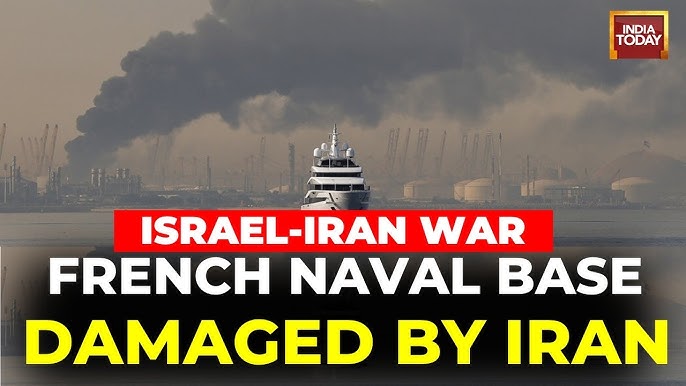
The French naval air station in Abu Dhabi is a key strategic point for France, which has a long history of military cooperation with the UAE and other Gulf Cooperation Council (GCC) countries. The station is part of France’s broader military presence in the region, which includes airbases and naval facilities in several countries. The UAE has been an ally of France and a member of the broader coalition involved in various Middle Eastern operations, including those against Iranian-backed forces in Yemen.
By targeting this installation, Iran is likely signaling its discontent with the presence of foreign military powers in the region, particularly those aligned with U.S. interests. The UAE’s strategic position, as well as its significant role in the Middle East’s political and military dynamics, makes it a key target in Iran’s broader regional strategy.
Iran’s Growing Military Escalation
This attack comes amid rising tensions between Iran and Western nations, particularly as Tehran faces increasing pressure over its nuclear program and its involvement in regional conflicts. Iran’s use of missile and drone strikes against foreign military assets is part of a broader strategy to challenge foreign military presence and deter further intervention in the region.
While Tehran has not yet claimed responsibility for this specific attack, it is consistent with the growing use of asymmetric warfare tactics, such as missile strikes and drone attacks, by Iranian forces. These kinds of operations are designed to inflict damage on military infrastructure while limiting the risk of direct confrontation.
International Reactions: Condemnation and Warnings
The international community is likely to respond swiftly to the attack, with France, the UAE, and other nations likely to condemn the strike in the strongest terms. The UAE government has not yet issued an official response, but the attack on French assets is expected to provoke diplomatic protests and possibly a military response.
France is likely to heighten its security posture in the region and may seek to rally international support for sanctions or military actions against Iran. The United States, a key ally of France and the UAE, is also expected to take a firm stance on the attack, possibly increasing its military presence in the region to deter further aggression.
The Road Ahead: Escalation or Diplomacy?
As tensions continue to escalate, the potential for further attacks or retaliations remains high. Iran’s military strategy increasingly seems focused on direct strikes against foreign military facilities, which complicates any diplomatic efforts to de-escalate the conflict. The attack on a French naval air station in the UAE marks another step in the widening gulf between Iran and its adversaries, particularly as the global community watches for any signs of potential retaliation or military escalation.